
Shrubs
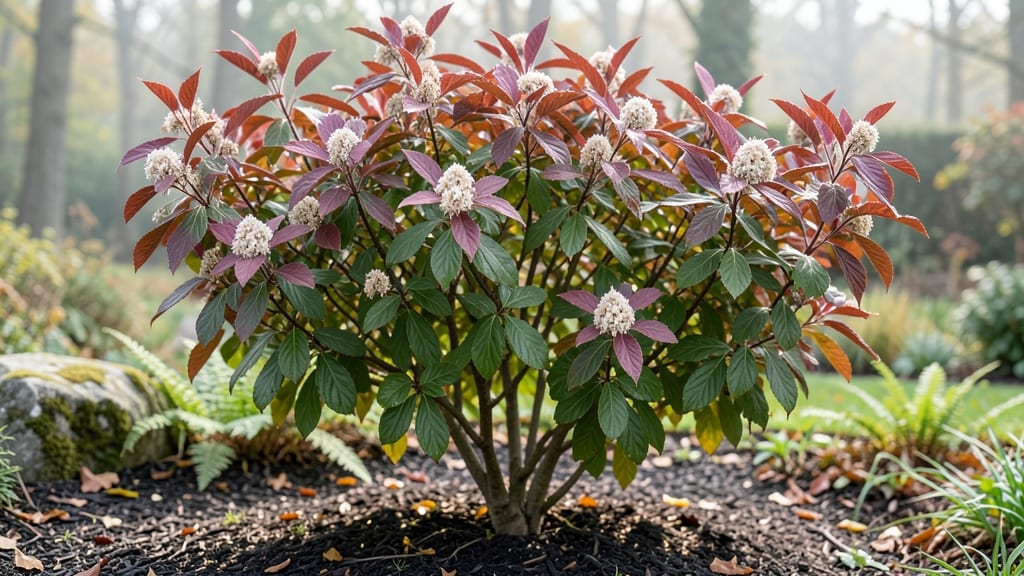
Fall transforms your snowball bush into a velvety masterpiece—but only if you prune it right. 🌿 The moment those iconic white spring blooms fade, the real magic begins: deep red foliage emerges, and with the right cuts, you'll keep it lush through winter.
I've pruned mine every autumn for five years, and the difference is shocking—thicker growth, brighter fall colors, and fewer winter dieback issues.
The key is layered pruning: first removing dead or crossing branches, then shaping for airflow, and finally thinning to let sunlight reach the center. Most people skip the thinning step, which is why their bushes look sparse by spring.
Grab your pruners in late October or early November, when the leaves have turned but before hard frost hits—this gives the plant time to heal before winter.
By winter, your bush will stand out like a jewel in the snow—deep burgundy leaves contrasting against white bark, with a sturdy structure that holds up to ice and wind.
The pruning also sets the stage for next year's blooms, since snowball bushes flower on old wood. It's not just about looks; it's about long-term health.
Works for all Viburnum opulus varieties, from 'Snowball' to 'Roseum'. Just avoid heavy pruning if your bush is young—wait until it's at least three years old. Here's how to do it without cutting into the main stems, which can harm next season's flowers.
📚 In This Guide
- What you need
- Instructions
- Tips and common mistakes
- Wrapping up and next steps
What you need
- ● Pruning shears: Bypass pruners (sharp, clean, and sterilized with rubbing alcohol or bleach). Size: 6–8 inches for precision.
- ● Loppers: For thicker branches (½–1 inch diameter). Quantity: 1 pair with bypass blades for clean cuts.
- ● Hand pruners (fall-back option): Anvil-style (if bypass isn’t available), but avoid crushing stems.
- ● Garden gloves: Heavy-duty, cut-resistant (e.g., mechanized or leather) to protect from thorns.
- ● Disposable pruning saw: Only if needed for stubborn, woody stems (>1.5 inches thick). Type: Folding saw with fine teeth.
- ● Rubbing alcohol (70%+) or bleach solution: 1 part bleach to 9 parts water for sterilizing tools between cuts.
- ○ Pruning sealant (optional): Tree wound sealant (e.g., Tanglefoot) for large cuts >2 inches in diameter.
- ● Weather check: Prune on a dry, calm day (avoid rain or wind). Ideal temp: 50–70°F (10–21°C).
- ● Safety gear: Safety glasses (to shield from debris) and closed-toe shoes.
- ● Cleanup supplies: Heavy-duty trash bags (2–3) for debris and a wheelbarrow or bucket for hauling.
- ● Notepad & pencil: To sketch a simple pruning map of your bush’s structure before cutting.
- ● Water & snacks: Hydration breaks are non-negotiable—pruning is hard work!
- ● 🔥 Sharp tools = happy plants: Dull blades tear stems, inviting disease. Test sharpness by cutting a leaf midrib—it should slice cleanly.
- ● ✨ Layered approach: Start with dead/diseased wood (sterilize tools between each cut!), then thin out crowded branches, and finally shape for airflow.
- ● 🌡️ Fall timing: Prune 4–6 weeks before the first hard frost to allow wounds to callus over.
Step-by-step guide to pruning snowball bushes for winter
Here's how I prep snowball bushes for winter—keeping them healthy and full for next year's blooms.
✂️ Step 1: Time Your Pruning for Late Fall
Prune your snowball bush (Viburnum opulus) in late fall, ideally 4-6 weeks before your first hard frost. This timing lets the plant heal before winter dormancy. I always check my local frost date first—pruning too early leaves branches vulnerable to late-season growth spurts, while pruning too late risks winter damage.
Look for yellowing or dead leaves—these signal the plant is preparing for dormancy. Wait until at least 50% of leaves have turned color before cutting. If you prune too soon, you risk encouraging tender new growth that won't harden off before winter.
✂️ Step 2: Remove Dead, Diseased, or Weak Branches First
Start by cutting out any dead, diseased, or crossing branches using clean, sharp pruners. Dead branches are easy to spot—they're brown, brittle, and snap when bent. Diseased branches often have blackened spots or mold, while crossing branches rub against each other, creating wounds that invite pests.
Make your cuts at a 45-degree angle, about ¼ inch above a outward-facing bud or lateral branch. This ensures water runs off the cut and new growth emerges in the right direction. I always sterilize my pruners with rubbing alcohol between cuts to prevent spreading disease.
✂️ Step 3: Thin Out Overcrowded Areas for Airflow
Next, thin the center of the bush to improve airflow and sunlight penetration. Focus on branches that grow inward or overlap—these create dense, shady spots where moisture lingers, promoting fungal issues. Aim to open up the center by 20-30% for better winter resilience.
You'll see thicker foliage on the outer edges—leave these branches alone unless they're weak. Cut back one-third of the oldest stems to encourage younger, more vigorous growth. This is where I often make mistakes—over-thinning can stress the plant, so I only remove what's absolutely necessary.
✂️ Step 4: Shape Lightly for Next Year’s Blooms
Give your snowball bush a gentle, natural shape by trimming back any overly long or leggy branches to ¼ of their length. Avoid heavy pruning—this plant blooms on old wood, so drastic cuts reduce next year's flowers. Focus on softening the outline rather than creating a formal shape.
Step back often to check your work. The goal is a balanced, open structure that lets sunlight reach the center. If you see bare spots or uneven growth, adjust by pruning slightly more from the denser side. This is the last chance to shape before winter sets in.
🌿 Step 5: Clean Up and Protect for Winter
After pruning, remove all clippings from the area and sterilize your tools again. Leaving debris can harbor pests or diseases over winter. I like to mulch the base with 2-3 inches of organic mulch (like shredded bark) to insulate roots and retain moisture.
If your winters are harsh or wet, consider wrapping young or newly pruned bushes with burlap or frost cloth to protect against cold snaps. Snowball bushes are hardy, but extra care in their first few winters ensures they bounce back strong in spring.
Tips & tricks for perfect snowball bush pruning
Real talk: I've made every pruning mistake with snowball bushes—here's what actually works to keep them thriving.
Timing is Everything: That 4-6 week window before frost isn't just a suggestion—it's when your bush naturally enters dormancy. I learned this the hard way after pruning too early and getting tender new growth that froze back. Check your local frost date and mark your calendar! The 50% leaf color change is your real cue, not just the calendar.
Tool Prep Prevents Problems: Sterilizing pruners between cuts (I use rubbing alcohol) isn't just for show—it stops disease spread between branches. I also sharpen my blades before starting; dull tools crush stems instead of making clean cuts. This single step saved my bushes from multiple infections over the years.
Visual Cues for Better Cuts: When making that 45-degree cut above the bud, imagine the water running off like a roof. The bud should face outward to encourage new growth in the right direction. I hold the branch against the sun to see the angle clearly—this makes all the difference in how your bush fills out next spring.
Winter Protection Payoff: That 2-3 inches of mulch isn't just decoration—it's insulation for roots. For young bushes in harsh climates, I wrap them in burlap like a cozy blanket. The difference in spring regrowth is dramatic, especially after our first few winters when I skipped this step.
Pro Tips for Snowball Bush In Fall
- Real talk: I've made every pruning mistake with snowball bushes—here's what actually works to keep them thriving.
- Timing is Everything: That 4-6 week window before frost isn't just a suggestion—it's when your bush naturally enters dormancy.
- Tool Prep Prevents Problems: Sterilizing pruners between cuts (I use rubbing alcohol) isn't just for show—it stops disease spread between branches.
Frequently asked questions
Got questions about keeping your snowball bush stunning in fall and beyond?
Here are answers to the most common ones—so you can prune with confidence and enjoy that winter-ready beauty!
When is the best time to prune a snowball bush in fall?
Prune your snowball bush after it blooms in late spring or early summer, but before new growth hardens in fall (usually by late September or early October). This timing ensures you remove spent flowers while avoiding winter damage. If you missed it, a light cleanup in early spring works too!
Can I prune a snowball bush too much in fall?
Yes! Over-pruning in fall can stress the plant, leaving it vulnerable to winter cold or disease. Stick to removing no more than 1/3 of its foliage—focus on shaping, thinning dense areas, and cutting back dead or diseased branches. Think "light layers," not a drastic haircut!
What if my snowball bush looks bare after pruning?
Don’t panic! Snowball bushes (like viburnums) often shed leaves in fall, but they’ll regrow in spring. If it’s completely bare, check for pests or disease (like leaf spot or spider mites). A gentle fertilizer in early spring can help revive it. Patience is key—these shrubs are tougher than they look!
Are there alternatives to pruning in fall?
If fall pruning feels tricky, try these options:
- Mulching: Add 2-3 inches of mulch around the base to protect roots and retain moisture.
- Watering: Deep water the plant in late fall to prep for winter drought.
- Winter wrapping: Use burlap to shield young or newly pruned shrubs from harsh winds.
Will pruning in fall help my snowball bush survive winter?
Pruning alone won’t guarantee winter survival, but proper timing and technique reduce risks. Always prune before a hard frost, avoid cutting into old wood (it won’t regrow), and choose a mild fall day. Pair pruning with mulching and watering for the best results. Think of it as a spa day for your shrub!
Wrapping up and next steps
There you have it—your snowball bush is now primed for winter with expert pruning techniques that ensure vibrant foliage and robust growth. Fall is the perfect time to shape, refresh, and prepare this stunning shrub for the colder months, so don’t wait until spring! 🌿✨
Ready to take the next step? Mark your calendar for a follow-up pruning session in late winter or early spring—just before new growth begins. Until then, admire your hard work and watch your snowball bush shine as the star of your landscape all season long!