
Shrubs
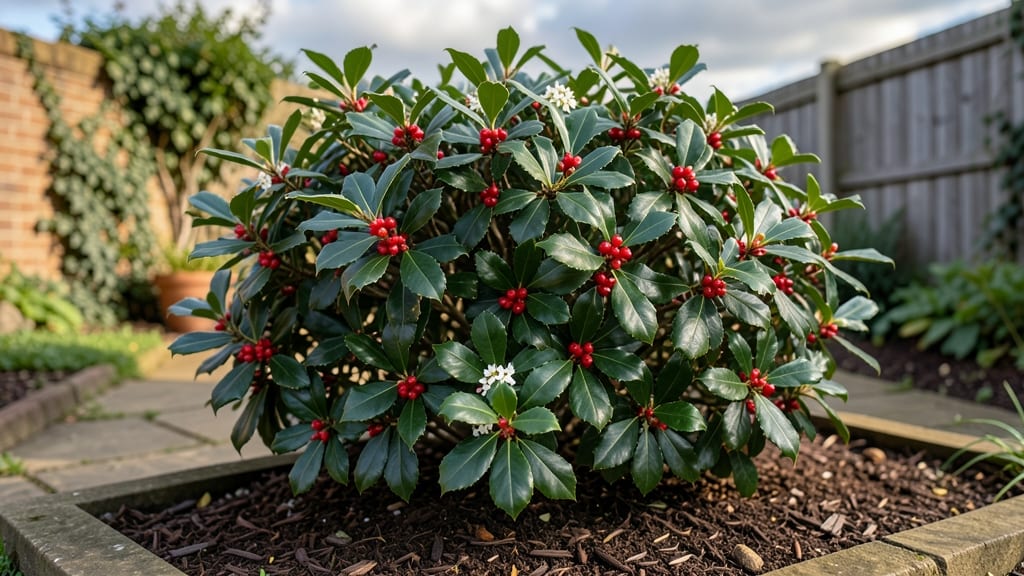
My Soft Touch holly bushes stay lush and vibrant all year—no thorns, no fuss, just year-round greenery that neighbors will envy. 🌿 The secret isn’t complicated: it’s about pruning with the plant, not against it.
These bushes thrive with minimal effort, but a few key cuts in early spring and late winter keep them dense, healthy, and full of those signature glossy leaves.
The real magic happens when you prune after the first flush of new growth in spring—this encourages bushier habits instead of leggy stems.
I’ve seen mine grow 3-4 feet tall in just a few seasons with this simple approach, and the berries (if you have a female plant) stay bright red until winter. The non-spiny leaves make them perfect for hedges, borders, or even container gardening.
You’ll end up with a holly that looks like it belongs in a magazine spread—glossy, compact, and always in season. The best part? No harsh cuts or brutal shaping. Just a light trim to encourage new growth and maintain that soft, velvety texture.
Even my black thumb can’t kill these. Works for full sun to partial shade, in zones 5-9, and handles drought once established. Here’s how to keep yours thriving all year.
📚 In This Guide
- What you need
- Instructions
- Tips and common mistakes
- Wrapping up and next steps
What you need
- ● Pruning shears: Bypass pruners with sharp, sterilized blades (for clean cuts). Quantity: 1 pair.
- ● Loppers: For thicker branches (up to 1.5 inches in diameter). Quantity: 1 pair.
- ● Hand pruners: Small, precision pruners for delicate trimming. Quantity: 1 pair.
- ● Gloves: Heavy-duty gardening gloves (to protect from thorns and sap). Quantity: 1 pair.
- ● Disinfectant: 70% isopropyl alcohol or a gardening disinfectant spray (to prevent disease spread).
- ○ Plastic bags or container: For collecting pruned branches (optional but helpful for composting or cleanup).
- ○ Pruning sealant (optional but recommended): For larger cuts to prevent disease (e.g., tree wound paint).
- ● Extension pole saw: For high branches (if your holly is tall).
- ● Knee pads: For comfort during longer pruning sessions.
- ● Sharpie or marker: To label branches if you’re doing structured shaping.
- ● Hose or water spray bottle: To rinse tools and clean sap off hands.
Step-by-Step instructions for pruning Soft Touch holly bushes
Here’s how to keep your hollies full, healthy, and lush without the harsh cuts that stress other varieties.
✂️ Step 1: Time Your Pruning for Best Results
Prune your Soft Touch holly bushes in late winter or early spring—just as new growth begins. This timing ensures you remove dead wood while leaving next season’s buds intact. Avoid pruning in fall, as it encourages tender new growth that won’t survive winter. If you must shape in summer, do it after flowering to avoid cutting off next year’s berries.
Look for dormant branches (brown, brittle, or crossing others) to remove first. These are easy to spot in winter when the bush is bare. Use sharp pruners to make clean cuts at a 45-degree angle just above a leaf node or outward-facing bud. This encourages new growth in the right direction.
✂️ Step 2: Shape Gradually for a Full, Natural Look
Soft Touch hollies respond best to light, annual pruning rather than drastic cuts. Aim to remove no more than one-third of the bush’s volume in a single season. Start by thinning out the innermost branches—these often get shaded and produce fewer berries. Cut these back to the main stem or a strong side branch.
For a rounded shape, focus on outer branches that are growing inward. Step back often to check your progress—you want a bush that looks full from all angles. Avoid "shearing" (cutting evenly across the top), as hollies grow best with natural layering. Watch for new growth at the tips after pruning; this signals the bush is responding well.
🌿 Step 3: Clean Up and Protect for Year-Round Health
After pruning, remove all debris from the area—leaving fallen leaves or clippings can harbor pests or disease. Sterilize your pruners with rubbing alcohol between cuts if your bush shows signs of mildew or spots. This is especially important for hollies, which can develop fungal issues in damp conditions.
Apply a layer of mulch (2–3 inches) around the base of the bush, keeping it 6 inches away from the trunk. This helps retain moisture and protect roots during winter. Water deeply after pruning if your area hasn’t had rain in a week. You’ll know it’s time to water again when the top 2 inches of soil feel dry to the touch.
⏰ Step 4: Monitor and Adjust for Long-Term Lushness
Check your holly monthly during growing season for signs of stress, like yellowing leaves or sparse berries. If you notice leggy growth (long, bare stems), it’s a sign the bush needs more light or a lighter pruning next year. Adjust future cuts to encourage denser branching at the base.
Fertilize lightly in early spring with a balanced, slow-release fertilizer (10-10-10 ratio). Spread it evenly over the root zone and water it in. Avoid heavy fertilizing, as hollies prefer lean soil. By fall, your bush should have a dense, bushy shape with vibrant green leaves and plentiful berries—proof your pruning paid off.
Tips & tricks for pruning Soft Touch holly bushes
These simple tricks will help you transform your holly bushes into a year-round showstopper with minimal effort.
Timing is Everything: The late winter to early spring window is non-negotiable for Soft Touch hollies. This timing aligns perfectly with the bush's natural dormancy period, allowing you to remove dead branches while protecting next year's flower buds. I've learned the hard way—pruning in fall can leave your bush vulnerable to winter damage, and summer pruning risks cutting off next year's berries. Mark your calendar for late February to early March for best results.
The 45-Degree Angle Secret: When making your cuts in Step 1, that 45-degree angle isn't just decorative—it's functional. Cutting just above an outward-facing bud at this angle creates a natural water runoff path while encouraging new growth in the direction you want. Pro tip: Use a small mirror to check your angle if you're struggling to visualize it. This simple technique makes all the difference in how your bush fills out over time.
One-Third Rule for Healthy Growth: Remember the one-third volume guideline from Step 2? This isn't arbitrary—it's based on how hollies naturally regenerate. Removing more than this can stress your bush, while less than this may not give you the full, lush look you're after. Think of it like haircuts: you want to shape without sacrificing volume. If your bush looks particularly overgrown, consider spreading the pruning over two seasons rather than trying to do it all at once.
Mulch Matters More Than You Think: That 2-3 inch layer of mulch in Step 3 isn't just decoration—it's a protective shield. Apply it right after pruning to lock in moisture and protect roots from temperature swings. I've seen dramatic differences in bush health between those who mulch properly and those who don't. Just remember to keep it 6 inches away from the trunk to prevent rot. This simple step can make your holly more resilient through winter and summer heat waves alike.
Pro Tips for Soft Touch Holly Bushes
- These simple tricks will help you transform your holly bushes into a year-round showstopper with minimal effort.
- Timing is Everything: The late winter to early spring window is non-negotiable for Soft Touch hollies.
- The 45-Degree Angle Secret: When making your cuts in Step 1, that 45-degree angle isn't just decorative—it's functional.
Frequently asked questions
When is the best time to prune soft touch holly bushes for maximum growth?
The ideal time to prune is late winter or early spring (just before new growth begins). This encourages fresh, vibrant foliage and blooms. Avoid pruning in fall—it can stimulate tender new growth that may not survive winter. For shaping, light trims can be done in summer, but keep it minimal to avoid stressing the plant.
How much can I trim back my soft touch holly bushes without harming them?
You can safely remove up to one-third of the plant’s total volume in a single pruning session. Focus on dead, diseased, or crossing branches first, then thin out dense areas to improve airflow. Avoid over-pruning—holly bushes are resilient but may take 1–2 years to recover if cut back too aggressively. Pro tip: Use sharp, clean tools to prevent tearing!
Can I grow soft touch holly bushes in containers, or are they better suited for gardens?
Soft touch holly bushes thrive in containers as long as the pot is at least 18–24 inches wide with drainage holes. Choose a well-draining potting mix and repot every 2–3 years to refresh the soil. Container-grown holly may need more frequent watering and winter protection (like wrapping the pot in burlap) in colder climates.
Why are my soft touch holly leaves turning yellow or dropping? Is it a pest or disease issue?
Yellowing or dropping leaves often signal overwatering, underwatering, or nutrient deficiencies. Check the soil moisture—holly prefers consistently moist but well-drained soil. Pests like spider mites or scale can also cause stress; inspect undersides of leaves for webbing or sticky residue. Treat with neem oil or insecticidal soap if pests are present. Disease? Fungal issues (like leaf spot) may appear as brown spots—prune affected areas and improve airflow.
How can I encourage more berries on my soft touch holly bush?
Holly berries develop on female plants only, so if yours isn’t producing, you may need a male pollinator nearby (plant one within 50 feet). For existing berry producers, prune in late winter to remove old wood (over 3 years old) and open the canopy for better sunlight. Fertilize lightly in early spring with an acid-loving plant formula (like 10-10-10) to support fruiting.
Do soft touch holly bushes need winter protection, and how?
These holly varieties are moderately cold-hardy (USDA Zones 5–9), but young plants or those in harsh microclimates benefit from protection. Mulch the base with 2–3 inches of organic mulch (like pine straw) and wrap containers in burlap. Avoid heavy snow buildup—gently brush it off to prevent branch breakage. Evergreen varieties may brown in winter but bounce back in spring!
Wrapping up and next steps
Soft touch holly bushes are the effortless champions of year-round greenery, and with the right pruning know-how, you’ll keep them thriving with minimal fuss. 🌿 Whether you’re trimming for shape, health, or those stunning berries, remember: timing and technique are your best friends.
Now’s the perfect moment to grab those shears and give your holly the love it deserves—your garden (and future holiday decor!) will thank you.
🌟 Ready to Transform Your Holly?
Start small: pick one bush this weekend and follow the steps above. Before you know it, your yard will be the talk of the neighborhood—lush, vibrant, and full of holiday cheer. Happy pruning!