
Shrubs
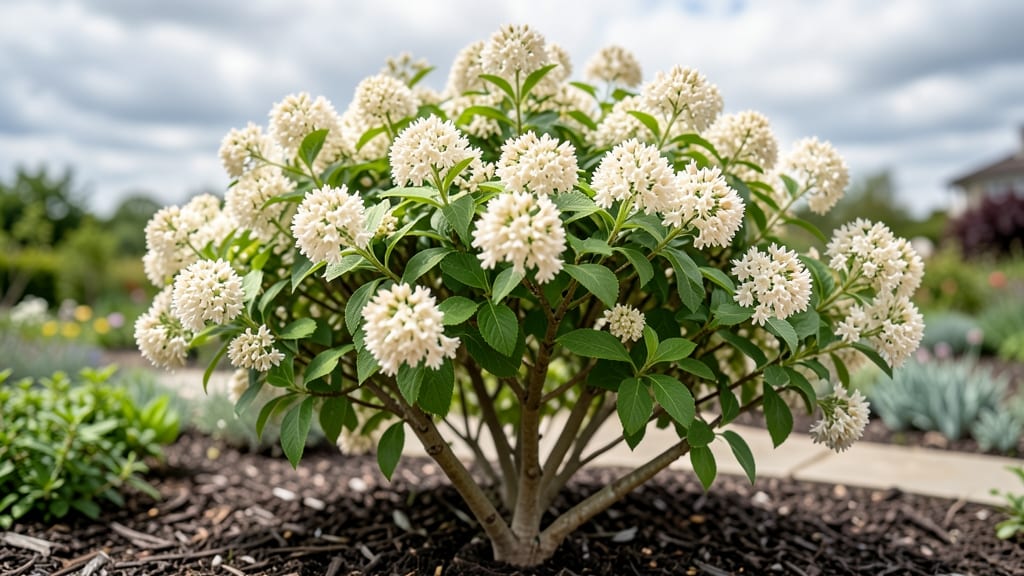
That spring white flowering bush with its cloud of blossoms is the secret weapon of cottage gardens and modern privacy screens alike. 🌸 I’ve planted mine along my fence line, and within three years, it transformed a bare wall into a fragrant, seasonal backdrop that never needs a single bouquet.
The magic isn’t just in the flowers—it’s in the timing. Lilacs burst into bloom in late spring, viburnums offer delicate clusters in early summer, and dogwoods linger into early fall.
Pair them with purple clematis or silver foliage for a three-season show that keeps your garden looking intentional, not just full. You’ll end up with a living screen that’s low-maintenance yet high-impact—no need for fences, no need for constant pruning.
The fragrance alone makes it worth the space, and the way it frames your patio or garden path creates instant curb appeal. Works for small yards, large backdrops, or even container plantings.
Here’s how to choose the right variety for your light and space—plus the perfect companions to make it shine.
📚 In This Guide
- What you need
- Instructions
- Tips and common mistakes
- Wrapping up and next steps
What you need
- ● Spring white flowering bush: Choose a healthy, disease-free plant (e.g., Deutzia, Spiraea, or Weigela). Quantity: 1–3 plants (depending on desired coverage).
- ● High-quality potting soil: 3–5 gallons (or native soil mixed with compost for in-ground planting).
- ● Organic fertilizer: Slow-release granular (10-10-10 or similar) or liquid fertilizer (e.g., fish emulsion). Quantity: 1–2 cups per plant.
- ● Mulch: Wood chips or shredded bark (2–3 inches). Coverage: 3–4 feet around the base.
- ● Garden gloves: A pair for protection.
- ● Watering can or hose: With a gentle spray nozzle.
- ● Pruning shears: Sharp, sterilized shears (for shaping or maintenance).
- ● Trowel or spade: For digging holes (12–18 inches wide/deep).
- ○ Stakes & twine: To support young or top-heavy plants (optional for windy areas).
- ● Plant food spikes: For slow-release nutrition (e.g., Osmocote).
- ● Epsom salt: 1 tbsp per gallon of water (occasional foliar spray for magnesium boost).
- ○ Landscape fabric: To suppress weeds (optional for ground covers).
- ● Decorative rocks: For a polished look around the base.
Step-by-step guide to planting a spring white flowering bush
Transform your yard with a fragrant, three-season privacy screen that blooms beautifully in spring.
🌱 Step 1: Choose the Right Location and Soil
Pick a spot that gets 6-8 hours of sunlight daily—most white-flowering bushes like viburnum or mock orange thrive in full sun to partial shade. Avoid low-lying areas where cold air collects, as these plants are sensitive to late frosts. I always test the soil first by digging a 6-inch deep hole—if it's heavy clay, mix in 2-3 inches of compost to improve drainage.
White-flowering bushes prefer slightly acidic to neutral soil with a pH between 6.0-7.0. You can test your soil with a simple kit from the garden center. If your soil is too alkaline, add sulfur or peat moss to adjust the pH gradually. The goal is loose, well-draining soil that won't waterlog roots—these plants hate soggy feet.
🪴 Step 2: Dig and Prepare the Planting Hole
Dig a hole that's twice as wide as the root ball but only as deep. The top of the root ball should sit 1-2 inches above ground level—this prevents water from pooling around the stem. I like to loosen the sides of the hole with a shovel to encourage root spread into the surrounding soil.
Remove the plant from its container and gently tease apart any circling roots with your fingers. Soak the root ball in water for 10-15 minutes before planting to help it settle into its new home. Place a handful of slow-release fertilizer (like 10-10-10) at the bottom of the hole—this gives your bush a nutrient boost without burning tender roots.
☀️ Step 3: Plant and Water Thoroughly
Position the bush in the center of the hole, ensuring the root flare (where roots meet the trunk) is visible above the soil line. Fill the hole with native soil, pressing gently to remove air pockets but not compacting too firmly. Water deeply to settle the soil around the roots—you'll know it's right when water drains away within 15-30 minutes.
Create a 2-3 inch deep watering basin around the base of the plant and fill it with water. This encourages roots to grow outward rather than staying concentrated in the planting hole. Mulch with 2-3 inches of organic mulch (like wood chips) to retain moisture and regulate soil temperature. Keep the mulch 2-3 inches away from the trunk to prevent rot.
🌿 Step 4: Maintain Through the First Growing Season
Water your new bush deeply once a week during the first year, providing more if the top 2 inches of soil feel dry. Overwatering is a common mistake—white-flowering bushes are drought-tolerant once established but need consistent moisture when young. You'll see new growth within 4-6 weeks if everything is right.
Fertilize lightly in early spring with a balanced fertilizer (like 10-10-10) applied at half strength. Avoid high-nitrogen fertilizers—they promote leafy growth at the expense of flowers. Prune back any dead or damaged branches in late winter, and shape the bush lightly after flowering to encourage a fuller form. This keeps your privacy screen looking neat while supporting healthy growth.
Tips & tricks for planting a spring white flowering bush
Here's what nobody tells you about getting your fragrant privacy screen off to the best possible start.
Sunlight Secret: That 6-8 hours of sunlight isn't just a suggestion—it's the sweet spot for most white-flowering bushes. I've planted viburnum in partial shade before, and while they survived, the blooms were sparse and less fragrant. If your yard only gets 4-5 hours of direct sun, consider planting near a south-facing wall where reflected light can help. The key is consistent sunlight, not necessarily intense midday rays.
Root Ball Rescue: When you remove that root ball from its container, you might notice some roots circling like a pretzel. This is called "pot-bound" and can strangle new growth. Take 2 minutes to gently tease those roots apart with your fingers—no need for sharp tools. I've seen gardeners skip this step, and their bushes took twice as long to establish. That 10-15 minute water soak before planting helps too, but only if you actually let the root ball absorb the water completely.
Watering Wisdom: That 15-30 minute drainage test after planting is your best friend. If water pools around the base after 30 minutes, your hole is too shallow. If it disappears in under 15 minutes, you might have compacted soil. The goal is to mimic natural rainfall—water should penetrate easily but not create soggy conditions. I like to check drainage by digging a small hole nearby and filling it with water; if it drains in 15-30 minutes, your main planting hole is probably good to go.
Mulch Matters: The 2-3 inches of mulch isn't just decoration—it's your bush's winter blanket and summer cooling system. I've seen people pile mulch right against the trunk, which can cause rot. That 2-3 inch gap you create prevents moisture from sitting against the bark. For extra protection in winter, add an extra 1-2 inches of mulch after the first frost, but remove it in early spring before new growth appears.
Pro Tips for Spring White Flowering Bush
- Here's what nobody tells you about getting your fragrant privacy screen off to the best possible start.
- Sunlight Secret: That 6-8 hours of sunlight isn't just a suggestion—it's the sweet spot for most white-flowering bushes.
- Root Ball Rescue: When you remove that root ball from its container, you might notice some roots circling like a pretzel.
Frequently asked questions
Got questions about your dream spring white flowering bush? You're not alone! Here are some of the most common queries—plus quick, expert-backed answers to help you plant, care, and enjoy your fragrant privacy screen with confidence.
When is the best time to plant a white flowering bush for spring blooms?
Plant in early spring (just as buds swell) or fall (6 weeks before frost). Avoid extreme heat or cold—roots need time to establish before blooming season. For container-grown bushes, plant anytime the soil isn’t frozen. Pro tip: Water deeply after planting to reduce transplant shock!
How do I keep my white flowering bush blooming all season?
Deadhead spent blooms regularly (every 2–3 weeks) to encourage reblooming. Feed with a balanced fertilizer (10-10-10) in spring and mid-summer. Prune lightly after flowering to shape and remove dead wood. Hydrangeas and mock orange (popular white bloomers) thrive with consistent moisture but hate soggy roots.
Are white flowering bushes prone to pests or diseases?
Most are low-maintenance, but watch for aphids (sap-sucking bugs) or powdery mildew (white fungal spots) in humid climates. Spray with neem oil for pests or improve airflow to prevent mildew. Japanese pieris and deutzia are especially resilient—great for beginners!
What’s a fast-growing alternative if I need privacy quickly?
For rapid height (6+ ft/year), try Forsythia or Weigela—both bloom white/yellow and grow aggressively. For fragrant foliage, Abelia (white tubular flowers) or Pieris (bell-shaped blooms) are stellar picks. All tolerate pruning to shape!
Can white flowering bushes survive harsh winters?
Most are hardy to USDA Zones 5–9, but young plants may need mulch (3–4 inches) around the base. Hydrangeas benefit from winterizing in Zone 4; wrap containers in burlap. Mock orange and deutzia are frost-tough—ideal for colder climates!
Bonus Tip:
Need year-round interest? Pair your bush with evergreen shrubs (like boxwood) or ornamental grasses for texture. White bloomers pop against dark foliage—try Heuchera (purple leaves) for a show-stopping combo!
Wrapping up and next steps
Transforming your outdoor space into a fragrant, year-round retreat is easier than you think! A spring white flowering bush isn’t just a stunning addition—it’s a low-maintenance privacy screen that blooms in spring, offers greenery in summer, and even adds winter interest.
Whether you’re a gardening newbie or a seasoned pro, these versatile shrubs bring beauty and tranquility with minimal effort.
Ready to elevate your garden? Start small:
- Pick one bush to test your space.
- Check local nurseries for varieties like Deutzia or Weigela.
- Plant in spring or early fall for the best results!