
Size
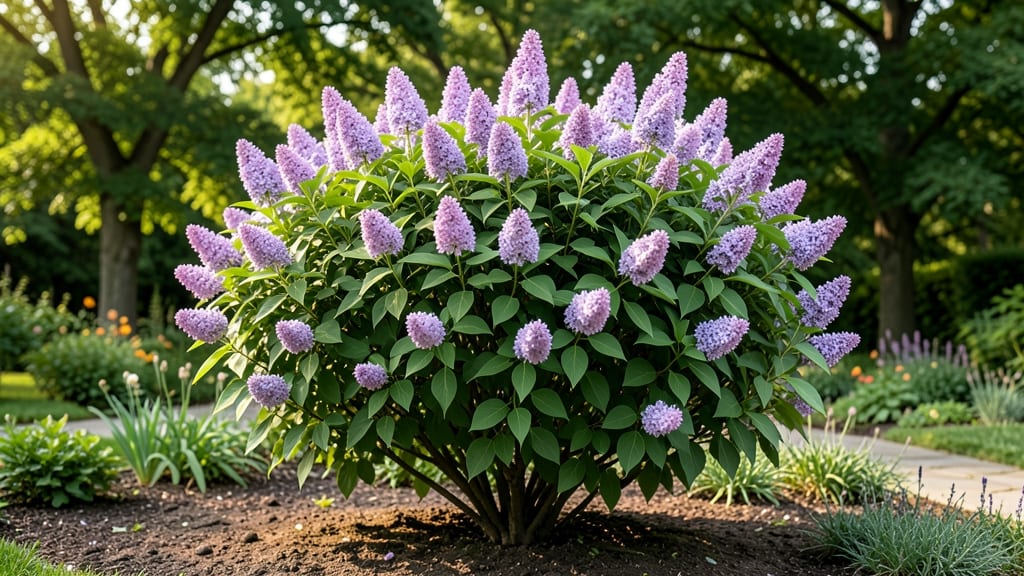
Tall lilac bushes transform shady corners into fragrant privacy screens that smell like spring all season. 🌿 I planted mine along my north-facing fence last year, and they now tower over my neighbors' decks—no fence needed, just nature's own living wall.
The secret to their height and density lies in pruning for shape (never cutting back old wood) and choosing the right variety. 'Miss Canada' and 'Katherine Havemeyer' grow 10-15 feet tall with minimal fuss, while 'Bloomerang' blooms twice a year. Plant them 6-8 feet apart for that lush, continuous look.
By mid-June, your yard will smell like lavender on a breeze while providing year-round structure. The foliage stays green even in shade, and the flowers attract hummingbirds for weeks. Perfect for urban backyards or country estates alike.
Here's where it gets interesting—pair them with evergreen shrubs like boxwood for winter structure, or let them stand alone as dramatic focal points. Just avoid over-pruning after flowering, or you'll stunt next year's blooms.
📚 In This Guide
- What you need
- Instructions
- Tips and common mistakes
- Wrapping up and next steps
What you need
- ● Lilac plants: 3–5 mature Syringa varieties (e.g., Syringa vulgaris ‘Lavender Lady’ or Syringa oblata ‘Charles Joly’) for a dense screen. Choose 3–6 ft tall bare-root or potted plants.
- ● Well-draining soil: 5–10 cubic yards of loamy, slightly acidic soil (pH 6.0–7.0). Amend with 2–3 inches of compost per planting hole.
- ● Organic mulch: 3–4 inches of wood chips or shredded bark (avoid fresh wood chips to prevent nitrogen theft).
- ● Fertilizer: Balanced 10-10-10 or slow-release organic fertilizer (1 lb per plant).
- ● Watering supplies: Hose with a gentle spray nozzle or a drip irrigation kit (for deep, consistent watering).
- ● Shovel or spade: 18-inch garden spade for digging holes.
- ● Garden trowel: For amending soil and backfilling.
- ● Measuring tape or ruler: To space plants 6–8 ft apart (for mature width).
- ● Pruning shears: Bypass pruners (sharp, clean) for shaping and cleanup.
- ● Gloves & knee pads: For comfort during planting.
- ○ Optional: Epsom salt (1 tbsp per hole) for magnesium-rich soil.
- ● Plant supports (stakes or cages) if planting in windy areas.
- ● Soil test kit to check pH before planting.
How to plant and care for tall lilac privacy screens
Here's the straightforward approach I've used to create lush, fragrant shade-tolerant screens that last decades.
🌱 Step 1: Choose the Right Location and Soil
Lilacs thrive in partial shade but need at least 4-6 hours of morning sun daily. Test your spot by observing how much light reaches it during the day—too little and you'll get sparse blooms. The soil should drain well but retain moisture; if yours is heavy clay, mix in 3-4 inches of compost to improve aeration.
Dig a hole twice as wide as the root ball but only as deep as the container's drainage holes. This encourages roots to spread horizontally rather than settling too deep. I always loosen the edges of the hole with a shovel to prevent compacted soil from restricting root growth.
🪴 Step 2: Plant at the Correct Depth and Stake for Support
Position the lilac so the top of the root ball sits 1-2 inches above ground level. Burying too deep suffocates the plant, while planting too high leaves roots exposed. Backfill with native soil mixed with compost, tamping gently to remove air pockets but not compacting tightly.
Stake tall varieties (like 'Katherine Havemeyer') immediately with a 3-foot stake tied loosely to the main stem. Lilacs grow fast and can topple in wind. Water deeply right after planting to settle the soil around roots—you'll see water beading on the surface when it's properly absorbed.
☀️ Step 4: Water Deeply and Mulch to Retain Moisture
Water newly planted lilacs every 2-3 days until new growth appears, then taper to once weekly during dry spells. The soil should feel moist 2 inches down—if it's dry at that depth, it's time to water. Overwatering causes root rot, so always check before adding more.
Spread 2-3 inches of mulch around the base, keeping it 6 inches away from the trunk—mulch touching bark traps moisture and invites disease. I use shredded bark mulch because it breaks down slowly and improves soil structure over time.
✂️ Step 5: Prune Strategically After Flowering
Wait until 4-6 weeks after blooming—never prune lilacs in late winter or early spring when buds form. Cut back old wood to just above a healthy bud using clean, sharp pruners. I make angled cuts to encourage water runoff and prevent disease.
For privacy screens, focus on shaping the lower branches first. Remove any crossing stems or weak growth to improve airflow. You'll know you've pruned correctly when you see fresh green growth emerging from the cut areas within 2-3 weeks—this signals the plant is healthy and ready for next year's blooms.
Tips & tricks for perfect tall lilac privacy screens
Here’s what I’ve learned after years of growing fragrant, shade-loving lilac screens that last for decades.
Location and Sunlight: That 4-6 hours of morning sun is non-negotiable—it’s the sweet spot for blooms without scorching leaves. I’ve seen people plant lilacs in full shade and end up with sparse, weak growth. If your spot gets afternoon sun, that’s even better—it helps prevent fungal issues from lingering moisture.
Soil Preparation: The 3-4 inches of compost in heavy clay soil makes all the difference. I’ve dug test holes in my yard and found that amending just the planting hole (rather than the whole bed) gives roots the perfect start. For sandy soil, mix in some peat moss to help retain moisture without compacting.
Staking Strategy: Don’t skip the 3-foot stake for tall varieties—even if your yard seems sheltered, lilacs grow fast and can topple in unexpected wind gusts. I tie the stake loosely with soft plant tape (not wire) to avoid girdling the stem as it grows. Remove stakes after the first growing season if the plant is sturdy.
Pruning Timing: Those 4-6 weeks after blooming are crucial—pruning too early cuts off next year’s flower buds. I mark my calendar right after the last bloom fades to remember when to prune. For privacy screens, I focus on shaping the lower branches first to create that dense, living wall effect.
Pro Tips for Tall Lilac Bushes
- Here’s what I’ve learned after years of growing fragrant, shade-loving lilac screens that last for decades.
- Location and Sunlight: That 4-6 hours of morning sun is non-negotiable—it’s the sweet spot for blooms without scorching leaves.
- Soil Preparation: The 3-4 inches of compost in heavy clay soil makes all the difference.
Frequently asked questions
Got questions about growing tall lilac bushes as shade-tolerant privacy screens? Here are answers to the most common concerns—so you can plant with confidence!
How fast do tall lilac bushes grow?
Tall lilac bushes grow at a moderate pace, adding about 12–24 inches per year under ideal conditions. With proper care, they can reach their mature height (6–12 feet) in 3–5 years. Patience pays off—these beauties reward you with fragrant blooms along the way!
Can lilacs survive in deep shade?
While lilacs prefer partial shade (4–6 hours of sunlight), they can tolerate deeper shade—especially if planted in moist, well-draining soil. For best results, choose a spot with dappled light (like under tall trees) and mulch heavily to retain moisture. Varieties like Syringa meyeri (dwarf lilac) handle shade better than standard types.
When is the best time to prune tall lilac bushes?
Prune lilacs right after flowering (late spring to early summer) to avoid cutting off next year’s blooms. Avoid heavy pruning in fall or winter, as it can stimulate late-season growth vulnerable to frost. For shaping, use clean tools and remove no more than 1/3 of the plant at a time to maintain health.
What’s a good alternative if lilacs don’t thrive in my shade?
If your shade is too dense, consider these privacy-friendly alternatives:
Yellowing lilac leaves often signal overwatering, nutrient deficiency, or fungal issues. Check soil moisture—lilacs prefer well-draining soil and hate soggy roots. Yellow edges may indicate iron chlorosis (common in alkaline soil); amend with compost or chelated iron. For spotty yellow patches, inspect for powdery mildew and treat with neem oil or fungicide. For faster establishment, plant lilacs in early spring (before buds swell) or fall (6 weeks before first frost)**. Water deeply weekly for the first year, and mulch with 2–3 inches of organic matter to lock in moisture and deter weeds. Shade-loving varieties like Syringa oblata (Chinese lilac) are your best bet for low-light spots!
All offer year-round interest without sacrificing privacy!
Why are my lilac leaves turning yellow?
Pro Tip:
Wrapping up and next steps
Tall lilac bushes are a fantastic choice for adding natural privacy and beauty to your shaded garden—no matter your space or skill level! 🌿 With the right variety, soil prep, and a little patience, you can enjoy fragrant blooms and lush greenery year after year. Now’s the perfect time to take action: research shade-tolerant lilac types, sketch out your planting plan, and get ready to transform your outdoor space into a serene retreat.
Ready to grow your dream privacy screen? Start by gathering your supplies and digging in—your future self (and neighbors!) will thank you. 🌱