
Flowers
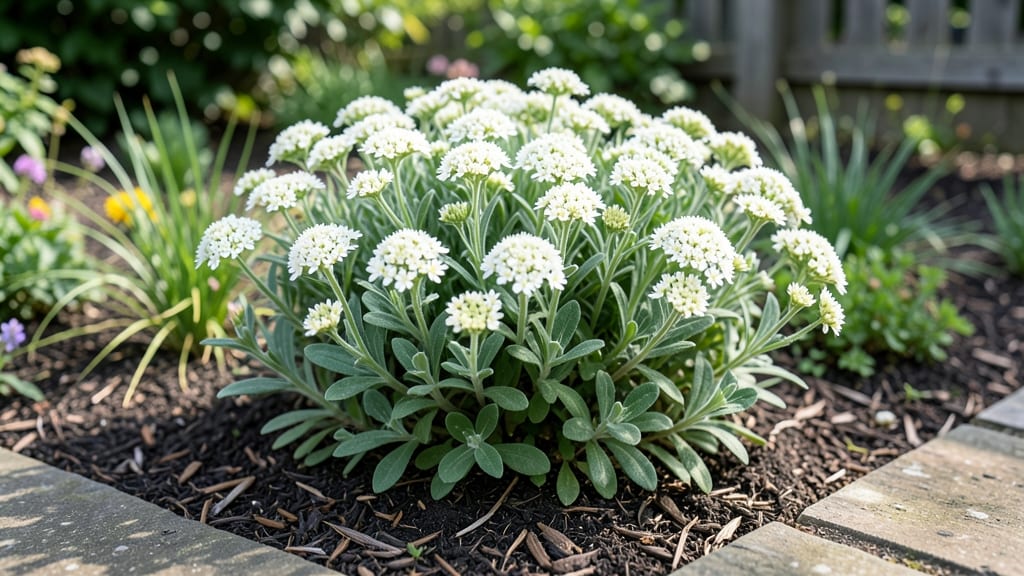
That delicate cloud of tiny white flowers transforms any yard into a fragrant dream. 🌿 These bushes—whether mock orange, potentilla, or abelia—thrive with almost no fuss, rewarding you with blooms from spring through fall.
The key lies in matching their love of sun and well-draining soil to your garden’s conditions. Start with a spot that gets 4-6 hours of sunlight daily, and dig in compost to improve drainage.
Most varieties handle dry spells once established, but a deep watering once a week keeps them happy. The secret to their long bloom time? Pruning lightly after flowering to encourage fresh growth. By early summer, you’ll have a bush bursting with clusters so fragrant they’ll draw bees and butterflies.
The foliage stays lush, and with minimal pruning, these shrubs outlast trendy annuals by decades. Perfect for borders, hedges, or even containers on patios. Here’s the trick: don’t over-prune—these bushes hate harsh cuts.
A light trim in late winter keeps them compact, and you’ll avoid the leggy look that ruins their charm. Even in tough climates, they bounce back with surprising resilience.
📚 In This Guide
- What you need
- Instructions
- Tips and common mistakes
- Wrapping up and next steps
What you need
- ● Tiny white flowers bush plant: Choose a Pieris japonica (Andromeda), Abelia, or Deutzia (common varieties with delicate white blooms). Opt for a 1- to 3-gallon nursery pot for mature plants or bare-root seedlings for a budget-friendly start.
- ● Well-draining potting mix: 10-15 gallons of a blend designed for acid-loving plants (pH 5.0–6.0). Mix 50% peat moss or coconut coir with 30% perlite and 20% compost for DIYers.
- ● Container or garden bed: For containers: A 15- to 20-gallon pot with drainage holes (minimum 12" diameter for mature bushes). Terracotta or fabric pots work best.
- ● For in-ground planting: A sunny to partially shaded spot with 6+ feet of space between plants (check your bush’s mature size!).
- ● Slow-release fertilizer: 1 lb of a balanced, acid-loving formula (10-10-10 or 8-3-9) to mix into the soil at planting.
- ● Mulch: 3–4 inches of pine bark or shredded leaves to retain moisture and mimic natural forest conditions.
- ● Pruning shears: Bypass pruners (sharp, clean, and disinfected with rubbing alcohol to prevent disease).
- ● Gloves: Heavy-duty gardening gloves to protect from thorns (especially on Deutzia varieties).
- ● Watering can or hose with a gentle spray nozzle: Pieris and Abelia love consistent moisture but hate soggy roots.
- ○ pH testing kit: To verify soil acidity (aim for 5.0–6.0). Optional but highly recommended for container gardens.
- ● Epsom salt: 1 tbsp mixed into water monthly for magnesium boosts (especially in clay-heavy soils).
- ● Decorative stakes or trellis: For Deutzia varieties that may need support as they grow.
- ● Lightweight row cover: A frost blanket to protect young plants from late spring frosts.
How to grow a fragrant tiny white flowers bush with year-round color
Here's my easy method for a bush bursting with delicate white blooms that smell incredible—no fuss, just beauty.
🌱 Step 1: Choose the Right Plant for Year-Round Blooms
For tiny white flowers that keep blooming, I always pick Arabis (Rock Cress) or Dwarf Gardenia—both thrive in partial shade and release sweet fragrance. These compact bushes grow 12-18 inches tall, perfect for borders or containers. Check your zone: Arabis handles zones 3-8, while Dwarf Gardenia prefers zones 8-11.
Look for established 1-gallon nursery plants (not seeds) for immediate blooms. You'll see the first white clusters within 4-6 weeks of planting, and with proper care, they'll rebloom every 2-3 months. Avoid Sweet Alyssum—it's annual and won't give you year-round color.
☀️ Step 2: Pick the Perfect Spot for Fragrance and Growth
Place your bush where it gets morning sun and afternoon shade—this keeps the tiny white flowers vibrant without scorching the leaves. A north-facing wall or east-facing garden bed works perfectly. If you're in a hot climate, dappled shade under a tree is ideal.
Test the spot by checking soil moisture: stick your finger 1 inch deep—if it's dry, that's perfect. These bushes hate soggy roots but also won't thrive if the soil dries out completely. A well-draining, slightly acidic mix (pH 6.0-6.5) is key. Amend heavy clay with 1 part perlite to the soil for better air circulation.
💧 Step 3: Plant and Water for Immediate Establishment
Dig a hole twice as wide as the root ball but only as deep—burying too deep suffocates the roots. Gently loosen the roots if they're circling, then place the bush in the hole and backfill with soil. Press lightly around the base to remove air pockets, but don't compact.
Water deeply right after planting—aim for 1 gallon per plant to settle the soil. You'll see the first signs of new growth (tiny lance-shaped leaves) within 7-10 days. After that, water once a week unless it rains, always checking the top 2 inches of soil for dryness before watering again. Overwatering is the #1 killer—yellowing leaves mean you're drowning the roots.
✂️ Step 4: Prune for Bushier Growth and More Blooms
After the first flush of white flowers fades, cut back spent stems by ⅓ to encourage a second bloom cycle. Use clean, sharp pruners and make cuts just above a set of leaves. This keeps the bush compact and prevents leggy growth. I prune mine in early spring and late summer—right before new growth starts.
Remove any yellow or brown leaves immediately—they spread disease. If your bush gets too wide, trim back the outermost branches to maintain its shape. You'll notice new buds forming within 2-3 weeks after pruning, signaling it's ready for another round of fragrant blooms.
🪴 Step 5: Feed and Protect for Long-Term Beauty
In early spring, add a slow-release fertilizer (like 10-10-10) around the base—1 tablespoon per plant is plenty. This gives the bush the nutrients it needs for vibrant white flowers and strong fragrance. Avoid high-nitrogen fertilizers—they promote leafy growth at the expense of blooms.
Watch for aphids or spider mites on the undersides of leaves. If you see sticky residue (honeydew), spray with neem oil or soapy water to keep pests away. A light mulch of shredded bark around the base helps retain moisture and keeps weeds down—just keep it 2 inches away from the stem to prevent rot.
Tips & tricks for perfect tiny white flowers bushes
Here's what nobody tells you about keeping these fragrant beauties thriving all year.
Plant Selection Wisdom: When choosing between Arabis and Dwarf Gardenia, consider your climate first. Arabis is your best bet for cooler zones (3-8) because it handles frost better and blooms reliably through winter. For warmer climates (zones 8-11), Dwarf Gardenia will reward you with stronger fragrance but needs consistent moisture. Look for plants with already visible buds at the nursery—these will bloom within your first 4-6 weeks, giving you instant gratification.
Soil Preparation Secret: The perfect planting spot isn't just about sun—it's about soil moisture balance. Before planting, mix in 1 part perlite to 3 parts native soil to create that ideal well-draining, slightly acidic environment (pH 6.0-6.5). This prevents the #1 killer of these bushes: soggy roots. I always do a quick soil test with a cheap pH meter from the garden center—it's worth the $10 to avoid years of struggling with yellowing leaves.
Pruning Technique: When you cut back those spent stems by ⅓ in Step 4, don't just grab any pruners—use clean, sharp ones and make your cuts at a 45-degree angle just above a set of leaves. This prevents water from pooling on the cut and causing rot. I've seen beginners make flat cuts that leave stubs, which look messy and invite disease. The 45-degree cut also gives you more surface area for new growth to emerge.
Fragrance Boost: To intensify that sweet scent, give your plants a light misting of water in the early morning when the flowers are fully open. The tiny droplets on the petals actually amplify the fragrance for hours. I do this every 2-3 weeks during bloom cycles, and my neighbors always comment on how much stronger the scent is. Just avoid evening watering—the damp flowers can attract pests overnight.
Pro Tips for Tiny White Flowers Bush
- Here's what nobody tells you about keeping these fragrant beauties thriving all year.
- Plant Selection Wisdom: When choosing between Arabis and Dwarf Gardenia, consider your climate first.
- Soil Preparation Secret: The perfect planting spot isn't just about sun—it's about soil moisture balance.
Frequently asked questions
Got questions about your tiny white flowers bush? You’re not alone! Here are the most common concerns—plus simple solutions to keep your fragrant beauty thriving.
What’s the best way to prune a tiny white flowers bush (like Dwarf Gardenia or Mock Orange)?
Prune right after blooming to encourage new growth. Use clean, sharp shears to trim back leggy stems by one-third and shape lightly. Avoid heavy pruning in fall—it can stunt spring blooms! For Dwarf Gardenia, a light trim in late winter keeps it compact.
Why isn’t my tiny white flowers bush blooming this year?
Blooms often lag due to overwatering, poor sunlight, or nutrient deficiencies. Ensure it gets 6+ hours of sun and well-draining soil. Feed with acidic fertilizer (like 8-3-9) in spring, and avoid moving it once planted—transplant shock delays flowers.
How often should I water a tiny white flowers bush?
Water when the top 1–2 inches of soil feel dry. Most varieties hate soggy roots, so aim for deep but infrequent watering. Mulch around the base to retain moisture (but keep mulch 2–3 inches away from the stem to prevent rot). Dwarf Gardenias prefer slightly moist soil, while Mock Orange tolerates brief dry spells.
What pests or diseases should I watch for on my tiny white flowers bush?
Common culprits include aphids, scale insects, and powdery mildew. Spray leaves with neem oil for pests, and ensure good airflow to prevent mildew. Yellowing leaves? Check for root rot (overwatering) or nutrient deficiency (feed with iron if needed).
Can I grow a tiny white flowers bush in a container? Yes—but here’s how!
Choose a 12–15 inch pot with drainage holes and acidic potting mix. Repot every 2–3 years and prune roots if crowded. Dwarf Gardenias thrive in containers, while Mock Orange needs a slightly larger space. Move indoors in winter if temps drop below 20°F (-7°C).
Pro Tip:
Want extra fragrance? Plant your tiny white flowers bush near a seating area or patio—its sweet scent peaks in morning sunlight!
Wrapping up and next steps
Adding a tiny white flowers bush to your garden is a breeze—just follow the simple steps above, and you’ll enjoy fragrant blooms with almost no fuss!
These low-maintenance beauties bring charm, color, and a touch of nature’s elegance to any space. Now’s the perfect time to plant one—whether in pots or your yard—so grab your gloves and get growing! 🌸✨
Next steps:
- Pick your favorite variety (like Abelia or Pieris) and check local nurseries.
- Start small—even a single bush makes a big impact!