
Pruning
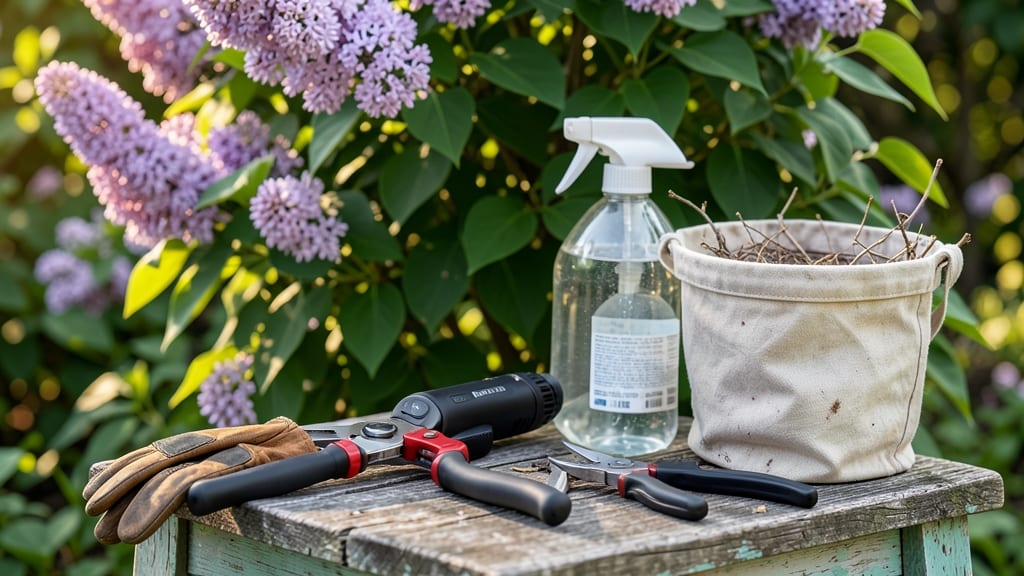
Fall is the perfect time to trim lilac bushes for next year’s showstopping blooms. ✂️ I’ve learned that skipping this step means weaker growth and fewer fragrant flowers—so I never wait past the first frost.
The key is cutting back just enough to encourage strong new shoots while keeping the plant healthy through winter. You’ll need sharp pruners, gloves, and a clear day to work.
Focus on removing dead or crossing branches first, then shape the bush by cutting back to just above a leaf bud. This keeps the plant compact and prevents disease by improving airflow. The goal is to give your lilacs a fresh start before dormancy.
By spring, you’ll see vibrant new growth where you trimmed, leading to fuller blooms by summer. The right cuts now mean fewer surprises later—no sudden dieback or sparse flowers. It’s a small effort for a big payoff in fragrance and beauty.
Works for all lilac varieties, from classic French hybrids to dwarf types. Just adjust the timing slightly for early or late frosts in your area. Let’s get those bushes ready for next season!
📚 In This Guide
- What you need
- Instructions
- Tips and common mistakes
- Wrapping up and next steps
What you need
- ● Pruning shears: Bypass pruners (sharp, clean, and blank">bypass-style for clean cuts—avoid anvil pruners). Quantity: 1 pair (or 2 if trimming large bushes).
- ○ Loppers: For thicker branches (½"–1½" diameter). Quantity: 1 pair (optional but helpful for mature lilacs).
- ● Garden gloves: Heavy-duty, cut-resistant (to protect hands from thorns and sharp branches). Quantity: 1 pair.
- ● Disinfectant: 70% isopropyl alcohol or a blank">gardening disinfectant spray (to sterilize tools between cuts). Quantity: Small bottle or spray.
- ● Heavy-duty trash bags: For collecting pruned branches. Quantity: 2–3 bags (or a wheelbarrow for hauling).
- ● Rake or broom: To clear fallen leaves/debris from the work area.
- ● Hand saw: For stubborn, thick stems (if loppers aren’t enough).
- ● Pruning sealant: (e.g., blank">tree wound paint)—controversial but some swear by it for larger cuts.
- ● Knee pads: For comfort if trimming low or sprawling bushes.
- ● Marking flags or spray paint: To tag branches for removal (if planning a dramatic reshaping).
- ● Check the weather: Choose a dry, mild day (50–70°F/10–21°C) to avoid stressing the plant.
- ● Gather info: Know your lilac’s blank">variety (e.g., early, mid, or late bloomer) to time pruning correctly.
- ● Clear the area: Remove weeds, rocks, or obstacles within 3 feet of the bush for safe movement.
Step-by-Step guide to trimming lilac bushes in fall
Fall’s the perfect time to shape your lilacs for next spring’s showstopping blooms.
✂️ Step 1: Gather Your Tools and Safety Gear
First, grab your sharp bypass pruners (never dull shears—they tear branches) and a clean hand saw for thicker stems. I always wear gloves too—lilac thorns are sneaky and sharp. Lay out a bucket for clippings and a disinfectant spray to wipe tools between cuts. This keeps diseases from spreading between branches.
Work on a dry day—wet branches are slippery and harder to control. If your lilac is large, consider a ladder for hard-to-reach spots, but never stand on wobbly stools. Safety first: I’ve seen too many gardeners end up in the ER from falls.
✂️ Step 2: Remove Dead, Diseased, or Crossing Branches
Start by scanning your lilac for branches that are brown, brittle, or mushy—these are dead or diseased and need to go. Use your pruners to cut these back to the main stem, making the cut at a 45-degree angle, about ¼ inch above a outward-facing bud. This encourages new growth in the right direction.
Next, look for branches rubbing against each other or growing inward. These “crossing branches” compete for energy and can create entry points for pests. Remove the smaller of the two branches at its base. You’ll know you’re doing it right when the bush starts looking more open and airy.
✂️ Step 3: Thin Out Overcrowded Areas
Lilacs bloom on old wood, so you’re not cutting back to stubs like with spring-flowering shrubs. Instead, focus on thinning out the center of the bush to improve airflow and sunlight penetration. Aim to remove about 10-20% of the oldest stems—these are the ones with the fewest blooms and often grow leggy.
Cut these stems all the way back to the ground. You’ll see a dramatic difference in next year’s blooms because the remaining branches won’t be competing for resources. Just don’t go overboard—removing too many stems at once stresses the plant.
✂️ Step 4: Shape the Bush for Next Year’s Growth
Now for the fun part—giving your lilac its signature rounded shape. Step back and visualize how you want it to look. Lilacs naturally grow in a vase-like form, so I usually aim to maintain that natural silhouette. Cut back any branches that are growing outward too aggressively to keep the shape balanced.
For a more formal look, you can trim branches to encourage a denser habit. Just remember: lilacs bloom on last year’s growth, so avoid heavy pruning in spring. A light shaping now ensures you’ll have plenty of blooms next season without sacrificing next year’s flowers.
🪴 Step 5: Clean Up and Prepare for Winter
Once you’ve finished pruning, gather up all the clippings and dispose of them in the trash—not your compost pile. Lilac branches can harbor pests and diseases that might reinfect your plant. Wipe down your tools with the disinfectant spray to prevent spreading any potential pathogens.
Give your lilac a final drink of water to help it recover from the pruning. Mulch around the base with 2-3 inches of organic mulch to protect the roots from freezing temperatures. This is also a great time to fertilize lightly if your soil is poor—use a balanced, slow-release fertilizer to give your lilac a boost for next year’s growth.
Tips & tricks for perfect fall lilac pruning
Here's what nobody tells you—these little details make all the difference for next year's blooms.
Tool Prep: Before you start, sharpen your bypass pruners with a file—dull blades crush stems instead of cleanly cutting them. I test mine by making a clean cut through a piece of paper; if it tears, it needs sharpening. A clean cut heals faster and looks better too. And here's a pro move: wrap your pruners in a damp cloth before storing them to prevent rust during winter.
Bud Identification: In Step 2, when you're making those 45-degree cuts, look for outward-facing buds—they're the little bumps on the stem that point away from the center. These buds will grow into next year's flowers. If you can't find any, cut just above a leaf node instead. I've ruined too many lilacs by cutting too close to the bud, so take your time here.
Thinning Strategy: When you're removing 10-20% of those oldest stems in Step 3, focus on the ones growing straight up from the ground. These vertical stems create that classic vase shape and produce the most blooms. I like to remove every other vertical stem to maintain balance—this keeps the bush airy while maximizing flower production. Remember, you're not trying to create a hedge, you're encouraging that natural lilac silhouette.
Winter Prep: After pruning, don't just throw those clippings in the trash—bag them up and freeze them for a few days first. This kills any potential pests or diseases before disposal. For the mulch in Step 5, I recommend using shredded leaves or straw instead of wood chips—they break down faster and insulate better against winter cold. And if your soil is particularly poor, add a handful of bone meal to that fertilizer for an extra phosphorus boost that lilacs love.
Pro Tips for Trimming Lilac Bushes In Fall
- Here's what nobody tells you—these little details make all the difference for next year's blooms.
- Tool Prep: Before you start, sharpen your bypass pruners with a file—dull blades crush stems instead of cleanly cutting them.
- Bud Identification: In Step 2, when you're making those 45-degree cuts, look for outward-facing buds—they're the little bumps on the stem that point away from the center.
Frequently asked questions
Got questions about trimming your lilac bushes in fall? You’re not alone! Here are some of the most common concerns—and their answers—to help you prune like a pro.
When is the exact best time to trim lilac bushes in fall?
Trim lilac bushes after they finish blooming in late spring or early summer, but fall is a great second chance—ideally between late September and early November. This timing encourages strong root growth before winter while avoiding late-season regrowth that could be damaged by frost. Avoid pruning after mid-November, as new growth won’t harden off in time.
How much can I cut back lilac bushes in fall without hurting them?
Lilacs are resilient, but never remove more than 1/3 of the plant’s total growth in a single pruning session. For rejuvenation, focus on thinning out old wood (branches thicker than a pencil) by cutting them back to the ground. Younger stems can be lightly trimmed to shape. Never "top" lilacs—this harms their natural form and blooms.
What if my lilac bush hasn’t bloomed this year? Should I still prune?
If your lilac skipped blooming, it might be due to over-pruning, age, or poor health. In fall, prune lightly—just remove dead, crossing, or weak branches. Avoid heavy cuts, as this can delay blooming further. Check for pests (like borers) or disease (like powdery mildew) and treat accordingly. Patience is key—some lilacs bloom every 2–3 years!
Can I trim lilac bushes in fall if I missed spring pruning?
Fall is a second-best time to prune lilacs, especially if you missed spring. Focus on removing dead wood, shaping the bush, and thinning out crowded branches. Just avoid heavy rejuvenation pruning—save that for late winter/early spring. Pro tip: Mark branches to prune in spring with twine or flags if you’re unsure!
What should I do with the trimmings after pruning?
Lilac trimmings can be repurposed in several ways:
- Mulch: Chop fine trimmings and spread them around the base (but keep them away from the trunk to prevent rot).
- Compost: Add larger branches to your compost pile—they break down slowly, enriching the soil.
- Wildlife habitat: Leave some branches in a brush pile to attract birds and beneficial insects.
- Disposal: If diseased, bag and discard trimmings with yard waste to prevent spreading pathogens.
Will trimming lilac bushes in fall encourage more blooms next year?
Yes! Proper fall pruning sets the stage for next year’s blooms by:
- Improving air circulation (reducing disease).
- Encouraging strong root and stem growth over winter.
- Removing spent flowers and weak branches to redirect energy.
Wrapping up and next steps
Trimming your lilac bushes in the fall isn’t just about keeping them tidy—it’s your secret to vibrant blooms and healthier growth next spring! By following the right techniques, you’ll encourage strong stems, prevent disease, and set the stage for a fragrant display.
Now that you’re armed with the know-how, there’s no better time to grab those pruners and give your lilacs the care they deserve. Happy pruning—your future blooms will thank you!
🌿 Next step: Mark your calendar for late fall (after the first frost but before winter dormancy) and take action. Your garden will reward you with show-stopping lilacs in spring!