
Pruning
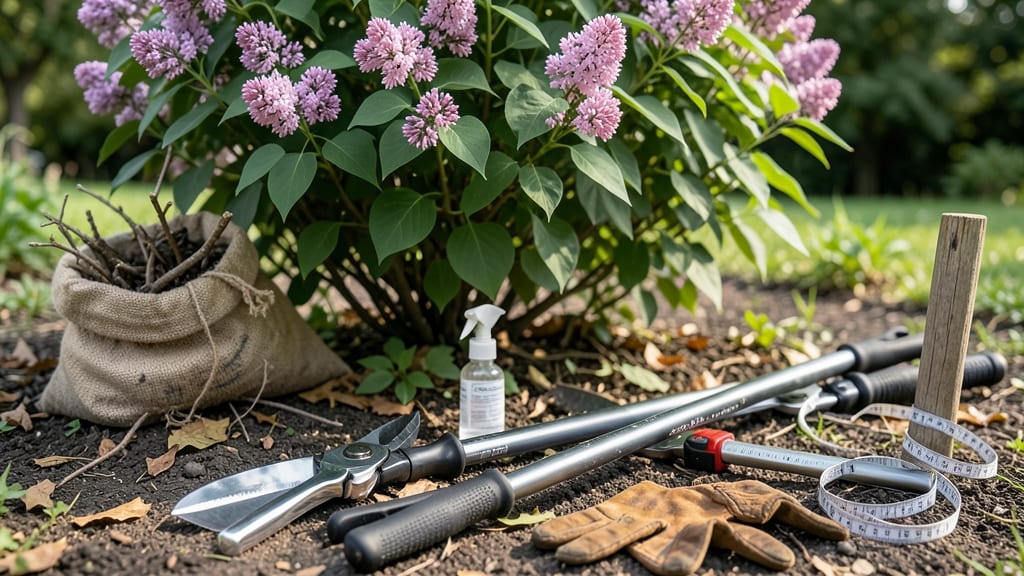
Trimming lilac bushes in spring isn't just about cutting back—it's about unlocking next year's blooms while keeping your plant healthy and shaped. 🌿 I learned the hard way that timing matters: prune too early, and you lose this year's flowers; wait too long, and you risk leggy growth.
The secret is knowing exactly when to act for maximum impact.
You'll need sharp bypass pruners, gloves, and a clear morning to work—lilacs bleed sap when cut, so avoid afternoon pruning. The goal is to remove 1/3 of last year's growth while shaping the bush into a rounded form.
This encourages bushier growth and stronger blooms for summer, but it takes patience and a steady hand.
After trimming, your lilac will reward you with thicker foliage and more abundant flowers next season. The key is to cut just above a leaf bud or branch junction, never leaving stubs. This simple technique transforms a wild, overgrown bush into a well-behaved garden star.
Climate plays a role here: in warmer zones, prune right after blooming; in colder areas, wait until after the last frost. And never cut into old wood—lilacs bloom on new growth, so focus on the current season's stems. With this method, your lilac will thrive for decades.
📚 In This Guide
- What you need
- Instructions
- Tips and common mistakes
- Wrapping up and next steps
What you need
- ● Pruning shears: Sharp, bypass-style shears (4-6" blades) for clean cuts—1 pair is all you need.
- ● Loppers: Heavy-duty for thicker branches (1-2" diameter)—1 pair for efficiency.
- ○ Pruning saw: For stubborn, woody stems (optional but handy)—1 small hand saw (8-10" blade).
- ● Garden gloves: Heavy-duty, cut-resistant gloves (e.g., mechanized or leather) to protect your hands—1 pair.
- ○ Disinfectant (optional but recommended): 70% isopropyl alcohol or a pruning sealant to sterilize tools between cuts and prevent disease.
- ● Bucket or trash bag: For collecting pruned branches—1 large container (5+ gallons).
- ● Rake or broom: To clear debris after trimming—1 medium-sized.
- ● Pruning paint: Seal large cuts (1"+ diameter) to prevent disease entry.
- ● Knee pads: For comfort if you’re working with older or sprawling bushes.
- ● Extension pole: For high branches (attachable to shears/loppers).
- ● Notebook & pen: To jot down notes on bush shape or blooming patterns for future reference.
Step-by-step guide to trimming lilac bushes in spring
Here’s how I refresh my lilacs every spring—it’s all about timing, technique, and a little patience.
✂️ Step 1: Time Your Trim for Optimal Growth
Wait until right after blooming—usually late May or early June when flowers fade but new buds haven’t formed yet. This ensures you don’t cut off next year’s blossoms. You’ll know it’s time when spent flowers turn brown but fresh green leaves remain vibrant.
If you prune too early, you risk removing flower buds that haven’t opened yet. If you wait too long, the bush may put energy into seed production instead of new growth. I mark my calendar based on when lilacs bloom each year—consistency is key.
✂️ Step 2: Gather Tools and Assess the Bush
You’ll need sharp pruning shears (clean and sterilized with rubbing alcohol) and thick gardening gloves—lilacs have thorns! Stand back and examine the bush for dead, crossing, or weak branches. These are your first targets.
Remove any branches that rub against each other—they’ll create wounds that invite disease. Thin out crowded stems to improve airflow, which prevents fungal issues. I like to sketch a rough outline of where I want the bush to be—this keeps shaping intentional.
✂️ Step 3: Prune for Shape and Health
Start by cutting out 1/3 of the oldest wood at the base. Older branches produce fewer flowers and weaken the bush. Next, trim back any remaining branches by 1/3 to 1/2 of their length—this encourages bushier growth and more blooms next season.
Make cuts just above a bud or leaf node at a 45-degree angle. This prevents water from pooling and rotting the wound. Avoid leaving stubs—always cut cleanly. For larger branches, use loppers and cut just outside the branch collar.
✂️ Step 4: Clean Up and Encourage New Growth
Rake up all clippings and dispose of them—don’t compost lilac trimmings, as they can harbor pests. After pruning, water the base of the bush deeply to help it recover. You’ll see new shoots emerging within 2-3 weeks—this is your reward for a job well done.
Apply a balanced fertilizer (like 10-10-10) in early summer to support the fresh growth. Mulch around the base with 2-3 inches of organic mulch to retain moisture and suppress weeds. Avoid piling mulch against the trunk—keep it 2 inches away to prevent rot.
⏰ Step 5: Maintain Through the Season
Check your lilacs monthly for new shoots growing in odd directions—these can be trimmed back lightly to maintain shape. Deadhead any stray flowers that appear after your main pruning to redirect energy to the bush’s structure.
By late summer, you’ll notice the bush filling out with dense foliage. This is your cue that the pruning worked! Lilacs thrive on neglect after the initial trim, so resist the urge to fuss with them—just enjoy the blooms next spring.
Tips & tricks for perfect lilac trimming
These little details make all the difference between a bush that thrives and one that struggles to recover.
Timing is Everything: Mark your calendar for the exact week after blooming—this is your golden window. I always set a reminder for when my lilacs typically bloom, then schedule pruning for 7-10 days later. The key visual cue is when 70% of flowers have faded to brown but new buds haven't emerged yet. This precise timing ensures you don't accidentally remove next year's blossoms while still preventing seed production that drains the plant.
Tool Prep Prevents Problems: Sterilize your pruning shears with rubbing alcohol before you start—this simple step prevents spreading fungal diseases between plants. I like to wipe down the blades with a paper towel soaked in alcohol, then let them dry completely. For stubborn thorns, I've found that using pruning shears with a curved blade makes the job easier and safer. Don't forget to wear gloves—they'll save your hands from painful scratches while keeping you focused on the task.
Shape with Purpose: When sketching your desired shape before pruning, think about sunlight exposure. Lilacs need at least 6 hours of direct sunlight daily, so avoid creating dense centers that block light. I typically aim for an open, vase-like shape that allows airflow while maintaining a full silhouette. Remember to step back every few minutes to check your progress—what looks balanced from close up might create awkward gaps when viewed from across the yard.
Recovery Care Matters: After pruning, the 2-3 weeks of new shoot growth are your plant's way of telling you it's happy. During this time, I monitor for any signs of stress like yellowing leaves or wilting stems. If you notice these, give the bush an extra deep watering and hold off on fertilizing until new growth appears. The mulch ring should stay moist but not soggy—think of it like a sponge that holds water near the roots without suffocating them.
Pro Tips for Trimming Lilac Bushes In Spring
- These little details make all the difference between a bush that thrives and one that struggles to recover.
- Timing is Everything: Mark your calendar for the exact week after blooming—this is your golden window.
- Tool Prep Prevents Problems: Sterilize your pruning shears with rubbing alcohol before you start—this simple step prevents spreading fungal diseases between plants.
Frequently asked questions
Got questions about trimming your lilac bushes? You’re not alone! Here are some of the most common concerns—and their answers—to help you feel confident as you prep for spring pruning.
When is the exact best time to trim lilac bushes in spring?
Prune lilacs right after flowering, typically between late May and early June. This timing ensures you don’t cut off next year’s blooms while still encouraging healthy growth. If you miss this window, wait until after the leaves fully emerge in early spring—but never in fall or winter.
What if I accidentally cut off the flower buds?
Don’t panic! Lilacs are resilient. If you’ve already trimmed too late, focus on light shaping in future years. Next spring, prune only the oldest stems (3–4 years old) to redirect energy. Over time, your bush will recover—just be patient!
Can I trim lilacs to encourage bigger blooms?
Yes! To boost flower production, prune only the oldest wood (stems over 3 years old) each year. This forces the bush to grow fresh, vigorous branches that produce more abundant blooms. Avoid heavy pruning—stick to 1/3 of the bush’s height max to keep it thriving.
What if my lilac bush isn’t blooming after pruning?
Several factors could be at play: over-pruning, poor soil, or lack of sunlight. Check for dead or diseased branches first. If the bush is healthy but still sparse, fertilize with high-phosphorus food in early spring and ensure it gets 6+ hours of sun daily. Patience is key—some lilacs take 2–3 years to rebound!
Do I need special tools for trimming lilacs?
Not necessarily! While bypass pruners or loppers make the job easier, you can use sharp garden shears or even a hand saw for thicker branches. Just ensure your tools are clean and sterilized (rubbing alcohol works) to prevent spreading disease. A pruning saw is handy for stems wider than ½ inch.
Wrapping up and next steps
Trimming your lilac bushes in spring isn’t just about tidying up—it’s about setting the stage for stunning summer blooms and keeping your plants healthy for years to come. By following the right techniques, you’ll encourage lush growth, prevent overcrowding, and enjoy even more vibrant flowers next season.
Now that you’re armed with the know-how, grab those shears and give your lilacs the love they deserve!
Ready to take it further? Check out our guide on fertilizing lilacs for peak performance or explore design tips for integrating them into your landscape. Your garden’s summer showstopper starts with this simple step—happy pruning! 🌸✂️