
Pruning
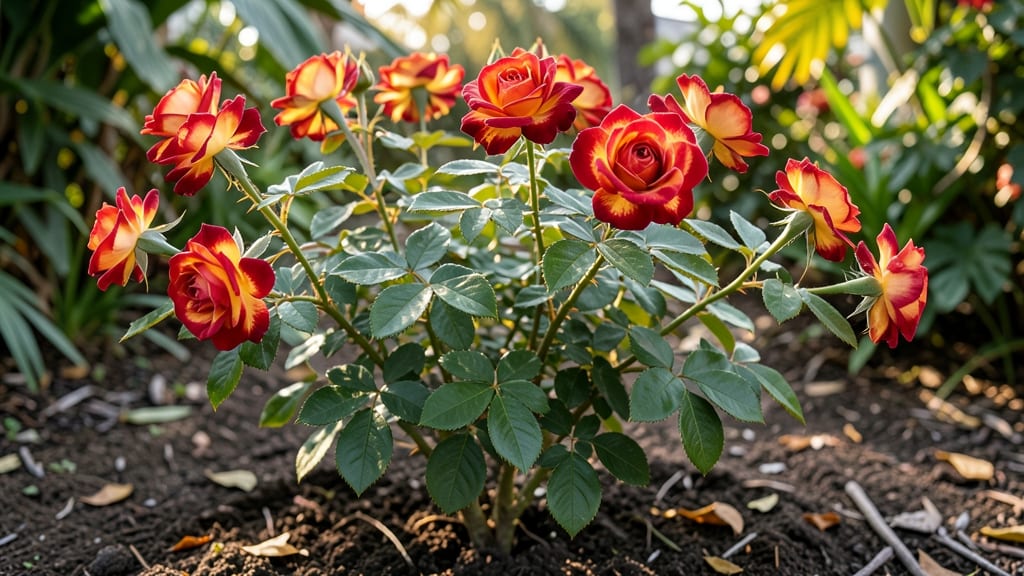
Your Tropical Sunset rose bush can perfume your garden year-round with the right pruning rhythm—no matter where you live. 🌸 I’ve watched this variety transform from a struggling bush to a fragrant, blooming powerhouse by mastering just three seasonal cuts, and the key isn’t what you cut but when you do it.
This rose thrives in zones 7-11 but handles cooler climates with proper winter prep. The secret lies in its vibrant mahogany foliage and continuous blooms—if you prune too late, you’ll sacrifice next season’s fragrance.
Start with sharp shears, a clean cut, and a plan to shape it in early spring, mid-summer, and late fall.
By following this timing, you’ll see bold red blooms from spring through frost, with the added bonus of leathery, disease-resistant leaves that stay lush even in heat waves. The fragrance? Rich, spicy, and intoxicating—like a sunset in a bottle.
Works in full sun to partial shade, and adapts to containers or garden beds. Here’s how to keep it blooming like clockwork—no guesswork, just results.
📚 In This Guide
- What you need
- Instructions
- Tips and common mistakes
- Wrapping up and next steps
What you need
- ● Tropical Sunset Rose Bush: 1 healthy, disease-free plant (check for vibrant foliage and buds).
- ● Pruning Shears: 1 pair of sharp, sterilized bypass pruners (avoid anvil shears—they crush stems).
- ● Gloves: 1 pair of gardening gloves (thick, cut-resistant for protection).
- ● Disinfectant: 1 bottle of rubbing alcohol (70%+) or hydrogen peroxide (3%) for sterilizing tools.
- ○ Pruning Sealant (Optional but Recommended): 1 small tube of pruning wax (e.g., Tanglefoot Tree Wound Pruning Seal) to prevent disease entry.
- ● Compost or Mulch: 1 bag of organic compost or mulch (for post-pruning soil enrichment).
- ● Watering Can or Hose: 1 with a gentle spray nozzle (avoid high pressure near stems).
- ● Loppers: 1 pair for thicker branches (if your bush is mature).
- ● Handheld Leaf Blower: 1 for clearing debris after pruning.
- ● Plant Food: 1 bottle of balanced rose fertilizer (e.g., 10-10-10 NPK ratio) for post-pruning nourishment.
- ● Stakes or Support: 1-2 bamboo stakes + twist ties (if your bush needs structural support).
- ● Notebook & Pen: 1 to track pruning dates and observations.
Step-by-Step guide to pruning your Tropical Sunset rose bush
Here's how I keep my Tropical Sunset roses blooming continuously—no dead wood, no weak growth, just lush fragrance all year.
✂️ Step 1: Time Your First Prune for Late Winter
Wait until after your last frost date but before new growth starts—typically mid-February to early March in most climates. This timing ensures you're not cutting into dormant buds that would have opened with spring warmth. I look for brown canes that feel brittle when touched; those are dead and need removal first.
Use clean, sharp pruners to make 45-degree cuts just above a healthy bud or outward-facing leaf. Avoid leaving stubs—this prevents disease. The goal here is to open the center of the bush to airflow and light, which keeps flowers vibrant and fragrance strong. I never cut more than one-third of the plant's height in a single prune.
🌿 Step 2: Encourage Summer Blooms with Light Trimming
After the first flush of spring blooms, switch to a maintenance prune every 6-8 weeks. This is where you remove spent blooms (deadheading) and any crossing or crowded canes. The key is to cut back to just above a leaf node with 3-5 leaves—this encourages new growth and more buds.
Watch for suckers (shoots growing from the base or below the graft) and remove them immediately. These sap-sucking growths drain energy from your prized blooms. I also pinch back any leggy stems growing toward the light—this forces the plant to branch out and create a fuller, bushier shape.
🌱 Step 3: Prepare for Winter with a Final Light Prune
In late October to early November, give your Tropical Sunset a final light prune to remove any remaining dead or diseased wood. This prevents winter pests from hiding in decaying canes. Cut back by about 20-30%, focusing on thinning out the center rather than shearing the entire bush.
Leave the plant with a rounded shape—this helps snow slide off cleanly in winter. I also apply a 2-3 inch layer of mulch around the base (not touching the stems) to insulate roots. The mulch should feel cool but not icy to the touch when applied.
⏰ Step 4: Monitor Growth and Adjust Monthly
Check your rose bush every 4-6 weeks for signs of overgrowth or leggy stems. If you notice new growth stretching toward the light, it's time for a quick trim. Cut back to the nearest outward-facing bud to encourage bushier growth. This keeps the plant compact and prevents it from becoming top-heavy in wind.
Pay attention to the color and scent of blooms—if they're fading earlier than usual, it's a sign of over-pruning. The Tropical Sunset thrives on balance: prune to shape, not to size. I always step back and look at the bush from all sides before making cuts to ensure I'm maintaining that lush, tropical silhouette.
Tips & tricks for perfect pruning of Tropical Sunset roses
These game-changing strategies will transform your pruning routine from guesswork to garden artistry.
Timing is Everything: The late winter prune (mid-February to early March) is non-negotiable for your Tropical Sunset. I learned this the hard way after accidentally pruning too early—my buds never opened properly. Wait until you see those first signs of green growth peeking through, but don't delay past the first frost date. This window ensures you're cutting only dead wood while preserving next season's blooms. The key visual cue? Look for brown canes that snap like dry twigs—those are ready for removal.
The 45-Degree Rule: When making cuts in Step 1, that 45-degree angle isn't just decorative—it's about directing water away from the cut. I use a simple trick: hold your pruners at a 45-degree angle and cut just above a healthy outward-facing bud. This creates a natural water runoff path while maintaining the plant's growth pattern. Pro tip: Wipe your pruners with rubbing alcohol between cuts to prevent spreading disease between branches. Between us, I've seen rose bushes get black spot from dirty tools, and it's heartbreaking to watch.
Summer Maintenance Secret: That 6-8 week maintenance schedule in Step 2 works wonders, but here's what nobody tells you—focus on the "why" behind each cut. When deadheading, always cut just above a leaf node with 3-5 leaves. This isn't random; it's about creating the perfect growth node. I also make it a habit to pinch back leggy stems at their second leaf node from the top. This forces the plant to branch out naturally, creating that lush tropical silhouette we all love. Think of it as sculpting your rose bush into a work of art.
Winter Prep Insulation: The 2-3 inch mulch layer in Step 3 is your rose bush's winter blanket, but there's a trick to applying it right. I always wait until the ground is cool but not frozen, then spread the mulch in a volcano shape—thicker at the base and tapering toward the center. This creates an insulating air pocket around the roots while preventing moisture buildup. And that "cool but not icy" touch test? It's how I know the mulch is at the perfect temperature to protect without suffocating the plant.
Pro Tips for Tropical Sunset Rose Bush
- These game-changing strategies will transform your pruning routine from guesswork to garden artistry.
- Timing is Everything: The late winter prune (mid-February to early March) is non-negotiable for your Tropical Sunset.
- The 45-Degree Rule: When making cuts in Step 1, that 45-degree angle isn't just decorative—it's about directing water away from the cut.
Frequently asked questions
When is the best time to prune my Tropical Sunset Rose for year-round blooms?
The ideal time is late winter or early spring (just before new growth starts) to remove dead or weak stems. For light shaping, prune after blooms fade to encourage continuous flowering. Avoid heavy cuts in fall—this bush thrives on mild pruning year-round!
How much should I cut back? Will I ruin it if I prune too hard?
Never cut more than 1/3 of the bush’s height at once. Focus on removing crossing branches, dead wood, and leggy stems to open the center for airflow. Over-pruning stresses the plant, but Tropical Sunset Roses are forgiving—just give it time to recover!
Why aren’t my roses blooming as much as they used to?
Under-blooming often means too much shade, poor nutrition, or over-pruning. Ensure it gets 6+ hours of sunlight and feed with a balanced rose fertilizer in spring and summer. Deadhead spent blooms regularly to redirect energy to new flowers!
How do I protect my Tropical Sunset Rose from pests or diseases?
Prevent issues with regular pruning for airflow and neem oil sprays if you spot aphids or powdery mildew. Avoid overhead watering to prevent fungal problems. If leaves yellow or drop, check for root rot—ensure well-draining soil!
Can I grow this rose in containers? What’s the best soil mix?
Use a large container (15+ gallons) with a mix of potting soil, perlite, and compost for drainage. Add slow-release fertilizer at planting time. Container roses need more frequent watering—keep soil moist but not soggy!
Wrapping up and next steps
Transforming your tropical sunset rose bush into a fragrant, year-round beauty is simpler than you think—just time your pruning right! By mastering the art of seasonal trims, you’ll unlock lush blooms, vibrant colors, and that intoxicating tropical scent no matter the month. 🌺✨
Ready to elevate your garden? Start by booking a pruning session this weekend—your roses (and your senses!) will thank you. And if you’re feeling adventurous, experiment with scented varieties or share your progress with fellow plant lovers online. Happy pruning!