
How To
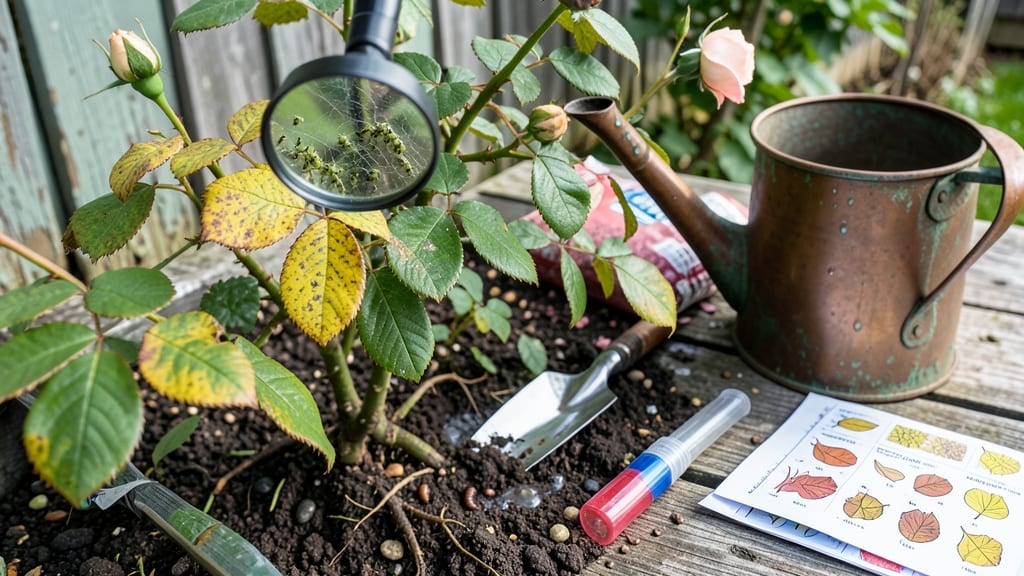
What causes rose bush leaves to turn yellow is often your plant’s subtle SOS—just without the dramatic flair. 🌿 The five most common culprits range from overwatering to hidden pests, and each one needs a different fix. I’ve seen this happen to my own roses, and the good news is that catching it early makes the solution simple.
Overwatering, nutrient deficiencies, fungal diseases, pests, and even poor drainage can all trigger that telltale yellow. The key is observing the pattern—are the leaves yellowing from the bottom up?
Drooping? Or covered in spots? Each clue points to a different problem, and knowing which one you’re dealing with cuts the guesswork in half.
With the right approach, you’ll restore those lush green leaves in just a few weeks. Adjusting your watering schedule, applying the correct fertilizer, or treating for pests can make all the difference. The goal isn’t just to fix the yellow—it’s to keep your roses thriving for years to come.
Whether you’re dealing with a single bush or an entire garden, these solutions work for all rose varieties. The sooner you act, the sooner your roses will bounce back—and you’ll be the one everyone asks for advice.
The Hidden Triggers Behind Yellowing Leaves
When your rose bush leaves start turning yellow, it’s often a silent SOS from your plant—each hue and pattern tells a unique story. Understanding why this happens is the first step to reviving your roses.
Below, we break down the science behind the most common culprits, so you can diagnose the issue like a pro and take action before it’s too late.
Yellowing leaves are a classic red flag for overwatering or compacted, waterlogged soil. Roses need well-draining soil, but when roots sit in soggy conditions, they suffocate and can’t absorb oxygen or nutrients properly.
This triggers a process called chlorosis, where chlorophyll breaks down, leaving leaves pale yellow or even brown.
Here’s what’s happening under the soil:
- Root rot: Fungal pathogens like Phytophthora thrive in waterlogged conditions, attacking roots and blocking nutrient uptake.
- Oxygen deprivation: Roots need air pockets to breathe. Too much water displaces oxygen, starving them and causing stress.
- Nutrient leaching: Excess water washes away essential minerals (like nitrogen and iron) that roses need to stay green.
💡 Pro Tip: Stick your finger 2 inches into the soil—if it’s damp, hold off on watering. If your soil feels like a sponge, amend it with perlite or sand to improve drainage. And always ensure pots or garden beds have drainage holes!
While roses love sunlight, intense heat or scorching afternoon sun can cause leaves to yellow, especially in younger or tender varieties. This happens because:
- Photosynthesis overload: Excess light damages chlorophyll, leading to sunburn (yellow or white patches, often on upper leaves).
- Water loss: Hot air increases transpiration (water evaporation), drying out leaves faster than roots can replace it.
- Heat stress: Temperatures above 90°F (32°C) can disrupt cellular functions, causing leaves to yellow and crisp.
🌡️ Watch for: Yellowing that starts on exposed, upper leaves (not the lower ones) and may include brown, papery edges. If your roses are in a southern exposure or black plastic mulch heats up the soil, they’re at higher risk.
✨ Solution: Provide afternoon shade (use shade cloth or plant near taller species). Mulch with straw or wood chips to keep roots cool, and water deeply in the early morning to reduce evaporation.
Fungal diseases like black spot (Diplocarpon rosae) and powdery mildew (Sphaerotheca pannosa) are notorious for causing yellowing leaves, often accompanied by dark spots, white powder, or leaf drop. Here’s how they hijack your roses:
| Disease | How It Attacks | Yellowing Signs |
|---|---|---|
| Black Spot | Fungal spores infect leaves through water droplets, creating tar-like spots that kill tissue and block chlorophyll. | Yellow halos around dark spots; leaves turn yellow and drop prematurely. |
| Powdery Mildew | Fungus coats leaves in a white, powdery film, suffocating them and reducing photosynthesis. | Leaves yellow between veins (interveinal chlorosis) and may curl or distort. |
| Rust (Phragmidium mucronatum) | Orange pustules form on undersides of leaves, weakening the plant and causing nutrient loss. | Yellow-orange spots that spread, leading to leaf yellowing and drop. |
🔥 Prevention is key: Space plants for good airflow, avoid overhead watering, and apply copper fungicide or neem oil at the first sign of spots. Remove and dispose of infected leaves (don’t compost them!).
Yellow leaves can signal a lack of essential nutrients, particularly when the yellowing follows a specific pattern. Here’s what each deficiency looks like:
-
🟡 Nitrogen (N) Deficiency:
- Older leaves turn pale yellow or yellow-green first (since nitrogen moves to new growth).
- Why? Nitrogen is the building block of chlorophyll. Without it, leaves can’t produce enough green pigment.
-
🟡 Iron (Fe) or Chlorosis:
- Young leaves turn bright yellow between veins (veins stay green).
- Why? Iron is crucial for chlorophyll production. In alkaline soil (pH > 7.0), iron becomes unavailable to roots, even if it’s present.
-
🟡 Magnesium (Mg) Deficiency:
- Yellowing starts on older leaves with brown patches between veins.
- Why? Magnesium is central to chlorophyll’s structure. It leaches out of leaves over time, causing a reverse pattern of nitrogen deficiency.
📊 How to fix it:
- Test your soil pH (ideal for roses: 6.0–6.5). If it’s too high, add sulfur or peat moss to lower it.
- For iron: Use chelated iron supplements or apply Epsom salt (magnesium sulfate) for magnesium.
- Boost nitrogen with compost, fish emulsion, or a balanced 10-10-10 fertilizer in spring.
Sap-sucking pests like aphids, spider mites, and scale insects drain nutrients from leaves, causing them to yellow, curl, or develop sticky residue (honeydew). Here’s how they sabotage your roses:
- 🐜 Aphids: Cluster on new growth, injecting toxins that cause yellowing, curling, and stunted shoots.
- 🕷️ Spider Mites: Tiny arachnids create fine webbing and suck sap, leading to bronzing or yellow speckling on leaves.
Revive Your Roses Quick Fixes
Yellowing rose bush leaves can be frustrating, but the good news is that most issues have simple, actionable solutions. Below, we’ve mapped the most common causes to their fixes—so you can diagnose, treat, and prevent further damage. Let’s get your roses thriving again!
Fix: Adjust your watering habits and improve soil drainage.
- 🔥 Stop Watering Until Soil Dries
- Let the top 2–3 inches of soil dry out before watering again. Stick your finger in the soil—if it’s soggy, wait.
- Pro Tip: 💡 Use a moisture meter for accuracy, especially in clay-heavy soils.
- 🍳 Improve Drainage with Amendments
- Mix compost or perlite into the soil to loosen it up. Aim for a 50/50 blend of existing soil and amendments.
- For containers, ensure pots have drainage holes and use a well-draining potting mix.
- ⏰ Water Deeply but Less Frequently
- Water early in the morning (6–9 AM) to reduce evaporation and fungal risks.
- Aim for 1–1.5 inches of water per week, including rainfall.
Prevention:
- Plant roses in mounded soil to encourage runoff.
- Avoid mulching too close to the stem (keep 2–3 inches away).
Fix: Hydrate properly and monitor soil moisture.
- 👨🍳 Water at the Base, Not the Leaves
- Use a soaker hose or drip irrigation to deliver water directly to the roots.
- Avoid overhead watering, which can promote fungal diseases.
- 🥘 Mulch to Retain Moisture
- Apply 2–3 inches of organic mulch (straw, wood chips) around the base (but not touching the stem).
- Mulch keeps roots cool and reduces water loss.
- 🌡️ Check for Heat Stress
- If leaves are crispy or curled, provide afternoon shade during heatwaves.
- Increase watering frequency during extreme heat (2–3 times per week).
Prevention:
- Group roses with other plants to create a microclimate that retains humidity.
- Use drought-tolerant rose varieties (e.g., ‘Knock Out’ roses) if watering is inconsistent.
Fix: Treat infections and adjust growing conditions.
- 🔪 Prune Infected Leaves Immediately
- Remove yellow, spotted, or powdery leaves with clean pruners.
- Disinfect tools with rubbing alcohol between cuts.
- 🌿 Apply Fungicide (Organic or Chemical)
- Neem oil (1 tsp per quart of water) or baking soda spray (1 tbsp baking soda + 1 tsp soap per gallon) work well for mild cases.
- For severe infections, use a copper-based fungicide (follow label instructions).
- 🌡️ Improve Air Circulation
- Space roses 3–4 feet apart to reduce humidity buildup.
- Prune for an open canopy—remove crowded branches.
Prevention:
- Water in the morning to allow foliage to dry quickly.
- Avoid overhead sprinklers—use drip irrigation instead.
- Rotate fungicides if using chemical treatments to prevent resistance.
Fix: Test soil and supplement as needed.
- 📊 Get a Soil Test First
- Send a sample to a local extension office for a pH and nutrient analysis (costs ~$20–$30).
- Most roses prefer slightly acidic soil (pH 6.0–6.5).
- 💪 Fertilize Based on Deficiency
- Yellow leaves with green veins? → Iron deficiency (apply chelated iron or use Epsom salt for magnesium).
- Pale yellow leaves? → Nitrogen deficiency (use a balanced rose fertilizer like 10-10-10).
- Yellow edges on older leaves? → Potassium deficiency (add wood ash or a potassium-rich fertilizer).
- 🍎 Feed During Growing Season
- Apply slow-release fertilizer in early spring and mid-summer.
- Avoid over-fertilizing—this can burn roots.
Prevention:
- Compost annually to replenish nutrients naturally.
- Mulch with aged compost to improve soil health over time.
Fix: Identify pests and use targeted treatments.
- 🔍 Inspect Leaves for Signs
- Aphids: Sticky residue (honeydew), curled leaves.
- Spider mites: Fine webbing, speckled leaves.
- Japanese beetles: Skeletons of leaves, chewed edges.
- 🍳 Natural Pest Control Methods
- Soap spray: Mix 1 tbsp mild soap per quart of water and spray directly on pests.
- Neem oil: Effective against aphids and mites (reapply every 7–10 days).
- Beneficial insects: Introduce ladybugs or lacewings to eat aphids.
- 🔪 Physical Removal
- Handpick Japanese beetles and drop them in soapy water.
- Blast off mites with a strong stream of water.
Prevention:
- Encourage natural predators by planting marigolds, basil, or dill nearby.
- Remove fallen leaves where pests hide over winter.
Final Tip: 🎯 Act fast! The sooner you address yellowing leaves, the quicker your roses will bounce back. Monitor your plants weekly, and adjust care based on their response. Happy gardening! 🌹
Frequently asked questions
Why do rose bush leaves turn yellow in patches rather than all at once?
Patchy yellowing usually signals a localized issue like fungal disease (e.g., black spot) or pest infestations (e.g., spider mites). Check the undersides of leaves for spots, webbing, or tiny insects. If you see dark spots with yellow halos, it’s likely black spot—prune infected leaves immediately and apply neem oil. For pests, look for fine webbing or sticky residue (honeydew).
Can yellow rose leaves turn green again?
Yes, but it depends on the cause! If yellowing is due to overwatering or nutrient deficiency, leaves can recover within 2–4 weeks with proper care. Adjust watering, amend soil, or fertilize as needed. However, if fungal diseases (like black spot) have caused widespread damage, those leaves won’t regreen—focus on pruning them off and treating the plant to prevent spread.
Is it normal for rose bush leaves to yellow in early spring?
Some yellowing in early spring is normal as the plant adjusts, but excessive yellowing signals nutrient deficiencies or winter stress. Check for pale yellow leaves (nitrogen deficiency) or yellow between veins (iron deficiency). Apply a balanced fertilizer or chelated iron in early spring. Avoid overwatering—roses need well-draining soil even in cooler months.
Why do my rose bush leaves turn yellow and then fall off?
This is often a sign of fungal diseases (like black spot or powdery mildew) or severe pest damage. Fungal diseases create stress that causes leaves to drop prematurely, while pests like aphids or Japanese beetles weaken the plant. Prune infected leaves, apply fungicide (copper-based or neem oil), and inspect for pests. Improve airflow by spacing plants 3–4 feet apart to reduce humidity buildup.
How can I tell if my rose bush is overwatered vs. underwatered?
Overwatered roses show yellowing leaves with brown edges and may have a soggy, foul-smelling soil. Underwatered roses have dry, crispy leaves that yellow from the edges inward, and the soil pulls away from the pot. Stick your finger 2 inches deep—if it’s damp, you’re overwatering; if dry, water deeply until it drains from the bottom.