
Plants
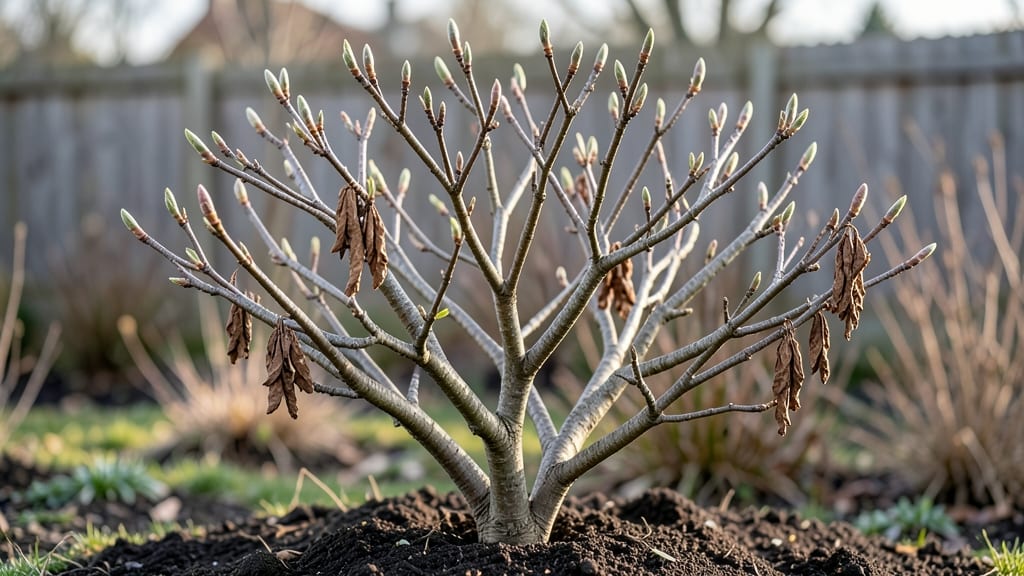
What do lilac bushes look like in winter? They’re like skeletal artists—bare branches stretching skyward, their intricate patterns etched against the winter sky. 🌿 The leaves have long since fallen, leaving behind a delicate lacework of stems that reveal the plant’s true structure.
What you will find are next year’s blooms, hidden as tiny, fuzzy buds along the branches, waiting for spring’s gentle nudge.
Those buds are the real giveaway—squished between the twigs like nature’s secret stash. Some older stems might still cling to a few papery leaves, but most lilacs stand proud and bare, their dark brown to gray bark adding texture to the winter landscape.
Pruning is often done now, so you might spot fresh cuts where last year’s growth was trimmed back.
The beauty of winter lilacs lies in their quiet strength—no flashy blooms, just the promise of what’s to come. Their upright, rounded shape stays recognizable even without leaves, and the buds’ location (usually along last year’s growth) helps you plan where to prune for the best spring display.
No special winter care is needed beyond a light mulch to protect roots from freeze-thaw cycles. Just step back and admire the architectural elegance of their dormant form—it’s a reminder that even in stillness, life is preparing for its next grand performance.
The Science Behind Winter Lilacs
The winter transformation of lilac bushes—those vibrant purple blooms turning into stark, leafless branches—isn’t just a seasonal quirk. It’s a survival strategy rooted in biology, climate, and plant physiology. Let’s break down why lilacs shed their leaves and go dormant, and what keeps them alive (and beautiful) beneath the surface.
Lilacs (Syringa spp.) are deciduous shrubs, meaning they naturally drop their leaves in winter to conserve energy. When temperatures consistently drop below 40–50°F (4–10°C), a chemical signal called abscisic acid kicks in. This hormone prompts the plant to:
- Seal leaf stems with a protective layer called the abscission layer, which cuts off nutrients and water to the leaves.
- Slow metabolic processes to reduce energy waste—photosynthesis grinds to a halt since there’s no sunlight.
- Redirect resources to roots and buds, where growth hormones like auxin stay active to prepare for spring.
Pro Tip: 🌡️ Lilacs in warmer climates (Zones 5–9) may hold onto yellowing leaves longer if winters are mild. This isn’t harmful, but it can signal stress if paired with pests or disease.
While some plants (like evergreens) have adaptations to survive freezing, lilacs rely on dormancy instead. Here’s how cold works in their favor:
- Ice crystal formation in leaf cells damages their structure, making it easier for the plant to "let go" of them. The abscission layer ensures no harmful sap leaks out.
- Antifreeze proteins in buds and stems protect critical tissues from freezing. These proteins bind to ice crystals, preventing them from growing large enough to rupture cells.
- Root insulation from fallen leaves and mulch keeps soil temperatures stable, allowing roots to stay slightly active and absorb moisture when it’s available.
Fun Fact: ❄️ Lilacs in Zone 3 or colder may need extra mulch (3–4 inches of wood chips) to shield roots from extreme cold snaps. Without it, roots can suffer winter burn—a condition where they dry out despite frozen soil.
Lilacs are photoperiod-sensitive, meaning they respond to daylight length. As days shorten in fall:
- The plant’s circadian clock detects reduced sunlight and triggers dormancy hormones.
- Chlorophyll breakdown (a process called senescence) turns leaves yellow or brown before they fall, recycling nutrients like nitrogen and phosphorus back into the plant.
- Bud scales form around next year’s flowers, acting like tiny winter coats to protect delicate tissue from frost.
Actionable Insight: 🌅 If you’re growing lilacs in long-day climates (e.g., near the equator), they may struggle to bloom reliably. Choose varieties like Syringa vulgaris ‘Katherine Havemeyer’, which are bred for consistent flowering despite light variations.
Even dormant plants need to manage moisture. Lilacs enter winter with:
- Reduced transpiration (water loss through leaves), but roots still absorb water when soil isn’t frozen. If the ground is too dry in late fall, lilacs may drop leaves prematurely to conserve what little moisture remains.
- Improved water retention in roots due to antifreeze compounds, but only if soil isn’t waterlogged. Soggy soil in winter can lead to root rot, even in dormancy.
Garden Hack: 💧 Before the first hard frost, give lilacs a deep watering to hydrate roots. Then, apply 2–3 inches of mulch (straw or shredded bark) to insulate soil and prevent moisture loss.
While dormancy is natural, stress factors like pests or disease can make lilacs shed leaves earlier or more dramatically. Common culprits:
| Pest/Disease | How It Triggers Early Dormancy | What to Watch For |
|---|---|---|
| Lilac borers (beetle larvae) | Larvae tunnel into branches, disrupting nutrient flow and forcing the plant to "shut down" early. | Sawdust-like frass at branch bases, wilting leaves in summer. |
| Powdery mildew (fungus) | Weakens leaves, causing premature yellowing and drop to conserve energy. | White powdery coating on foliage in humid weather. |
| Verticillium wilt (soil-borne fungus) | Clogs water transport, leading to leaf scorch and early abscission. | Brown streaks in stems, sudden wilting even in winter. |
Prevention Tip: 🛡️ Prune out infested branches in late winter (before buds swell) and sterilize tools with rubbing alcohol. For mildew, apply neem oil in early spring as buds break.
Revitalizing Winter Lilacs
Winter can leave lilac bushes looking bare and forgotten, but with the right care, you can restore their health and prepare them for a stunning spring bloom. Below are practical solutions tailored to common winter woes—from dormancy to damage—and prevention tips to keep your lilacs thriving year-round.
Winter dormancy is natural, but if your lilacs appear overly leafless or brittle, they may need a little encouragement.
🔥 Prune for Health, Not Just Looks
Cause: Overgrown branches or dead wood can weaken lilacs, making them more susceptible to disease and pests. Fix: - 🔪 Trim in Late Winter (Feb–March): Cut back old wood (last year’s growth) by about one-third to encourage new, vigorous shoots.
Avoid heavy pruning in fall, as it can stimulate tender growth that won’t survive frost. - 🌱 Remove Dead or Diseased Branches: Snip away any blackened, shriveled, or hollow stems—these won’t recover and can spread problems. - 🎯 Shape Gently: Lilacs bloom on old wood, so avoid drastic cuts.
Focus on thinning out crowded branches to improve airflow.
Prevention Tip: 💡 Mark branches with paint or tape before pruning to avoid over-trimming. A light touch now means more flowers later!
Harsh winters can crack branches or cause dieback, leaving lilacs looking sad and sparse.
🌡️ Shield from Extreme Cold
Cause: Sudden temperature drops or wind desiccation can stress lilacs, especially young or newly planted bushes. Fix: - 🧤 Wrap Young Bushes: Use burlap or frost cloth to shield tender stems from freezing winds.
Secure loosely to avoid crushing branches. - ❄️ Mulch the Base: Apply 2–3 inches of organic mulch (straw, wood chips) around the root zone to insulate roots and retain moisture. - 💧 Water Before Freeze: If your area expects a hard freeze, give the soil a deep watering a few days prior.
Hydrated roots are more resilient.
Prevention Tip: ✨ Plant lilacs in sheltered spots, like near a fence or building, where they’re protected from north winds.
Even in winter, pests like borers or fungal spores can lurk, waiting to attack as temperatures rise.
🔍 Inspect and Treat Early
Cause: Overwintering pests or lingering pathogens can weaken lilacs before spring. Fix: - 🕵️♂️ Check for Signs: Look for sawdust-like frass (borer droppings), oozing sap, or blackened cankers on branches.
Scrape a small area to confirm infestations. - 🧴 Apply Dormant Oil: In late winter (before buds swell), spray branches with horticultural oil to smother overwintering insects and fungal spores. - 🌿 Clean Up Debris: Remove fallen leaves and pruned branches from the base of the bush to eliminate hiding spots for pests.
Prevention Tip: 💡 Plant lilacs in full sun and well-draining soil—they’re less stressed and more resistant to pests when healthy!
Lilacs are hardy but benefit from a little extra love to bounce back after winter.
🍽️ Feed for Strong Growth
Cause: Poor soil nutrition can lead to weak stems, sparse foliage, or fewer blooms. Fix: - 🌿 Use Balanced Fertilizer: In early spring, apply a 10-10-10 or 20-20-20 fertilizer around the drip line (not the trunk).
Follow package rates to avoid overfeeding. - 💧 Water Deeply: After fertilizing, water thoroughly to help nutrients reach the roots.
Aim for 1 inch of water per week during dry spells. - 🌱 Consider Compost: For organic options, mix compost into the top 6 inches of soil in early spring to improve texture and fertility.
Prevention Tip: 🌱 Avoid high-nitrogen fertilizers in late summer—they encourage leafy growth at the expense of next year’s flowers.
Final Thought: With a little attention now, your lilacs will reward you with fragrant blooms come spring. Winter care isn’t just about fixing problems—it’s about setting the stage for a showstopping season ahead!
Frequently asked questions
Why do lilac branches look so bare in winter?
Lilacs are deciduous, meaning they naturally drop leaves in winter to conserve energy. The cold triggers a chemical signal that seals leaf stems, allowing the plant to redirect nutrients to roots and next year’s buds. This is normal—think of it as their way of \"resting\" until spring!
Can I still identify lilac bushes in winter without leaves?
Look for their upright, rounded shape and dark brown to gray bark. The real giveaway is the tiny, fuzzy buds along the branches—these are next year’s flowers hiding in plain sight. Older stems may also have a slightly peeling bark texture.
Should I prune lilacs in winter?
Late winter (after dormancy breaks, around February-March) is ideal for pruning. Focus on removing dead or diseased branches and thinning out crowded growth. Avoid heavy pruning now—lilacs bloom on old wood, so cutting too much could reduce next year’s flowers.
What if my lilac has no buds in winter?
Check for signs of stress like pests (borers) or disease (powdery mildew). Healthy lilacs should have buds along last year’s growth. If you see no buds, consider applying a balanced fertilizer in early spring or inspecting for hidden damage. Some varieties bloom on new wood—research your specific type!
Do winter lilacs need special care?
Just a little protection! Add 2–3 inches of mulch around the base to insulate roots, and water deeply before the first hard freeze. Young bushes benefit from burlap wraps to shield from freezing winds. No fertilizing yet—wait until spring when new growth begins.