
Plants
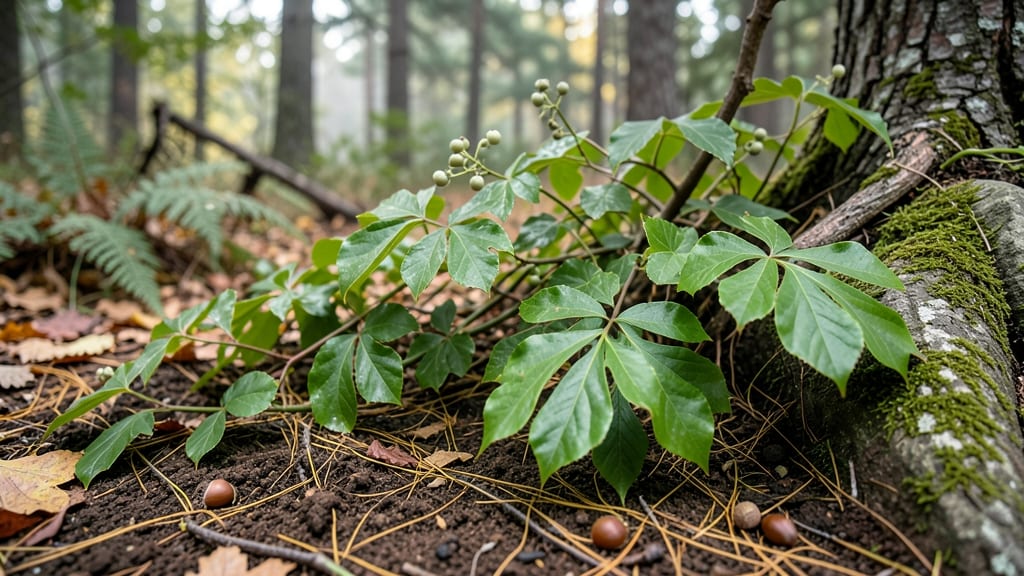
What does a poison ivy bush look like? It’s often mistaken for a harmless three-leaf clover—but not all three-leaf plants are dangerous. The real giveaway is the smooth, hairless vines with glossy green leaves that grow in clusters of three, each leaf connected by a single stem. These leaves can be shiny or dull, depending on the season, but their middle leaf always has a longer stem than the side leaves, creating that classic triangular shape.
Look closer, and you’ll find white berries in late summer that birds love to spread—this is how poison ivy invades new areas. The vines themselves can climb trees, creep along fences, or sprawl across the ground, often turning reddish-brown in fall before dropping leaves.
Confusing it with harmless plants like Virginia creeper (which has five leaflets) or box elder (with serrated edges) is easy—but touching it without knowing could mean a week of itchy rashes.
If you suspect poison ivy, don’t touch it. Instead, snap a photo from a distance and compare it to trusted guides. For removal, wear long sleeves, gloves, and goggles, then use vinegar or a commercial herbicide to kill it—never burn it, as the oils can spread through smoke.
A quick wash with cold water and soap within 10 minutes of contact can reduce reactions, but prevention is the best defense.
Once you learn these three key marks—three leaves, smooth vines, and white berries—you’ll spot poison ivy anywhere, from your backyard to a hiking trail. The key is acting fast: if you see it, contain it before it spreads, and always assume it’s toxic until proven otherwise.
Your skin will thank you.
The Science Behind Its Spread
Poison ivy isn’t just a random nuisance—it thrives because of a clever chemical defense system and aggressive growth habits. Understanding why it spreads so effectively helps you avoid it and protect yourself. Here’s the breakdown of the key factors driving its persistence:
Poison ivy’s infamous rash isn’t just an annoyance—it’s a chemical weapon. The plant produces urushiol, an oily resin found in its leaves, stems, and roots. This compound binds to human skin proteins, triggering an immune response that causes inflammation, blisters, and itching. Urushiol is so potent that:
- Even microscopic amounts (as little as 0.1 micrograms) can cause a reaction.
- It doesn’t wash off with water—only soap or specialized solvents like rubbing alcohol can remove it.
- It lingers on tools, clothing, and pets for months, spreading the plant’s reach.
Pro tip: 💡 If you’ve touched poison ivy, scrub exposed skin with cold water and soap immediately—delaying this step increases your risk of a severe reaction.
Poison ivy doesn’t just survive—it dominates. Its growth habits make it nearly impossible to eradicate once established:
🌿 Root Systems: Underground Invaders
Poison ivy spreads via rhizomes (horizontal underground stems) and roots, which can extend 50+ feet from the original plant.
If you dig up a patch, you’re likely leaving behind fragments that will regrow. Pulling it by hand often makes it worse—the plant senses disturbance and sends out more shoots.
🌿 Vine or Bush? Both Are Problematic
Poison ivy grows in three forms, each with its own stealth tactics:
| Form | How It Spreads | Why It’s Dangerous |
|---|---|---|
| Vine | Climbs trees, fences, or structures using aerial roots. | Can strangle host plants, killing them and creating more sunlight for new growth. |
| Bush/Shrub | Forms dense thickets in sunny areas, outcompeting native plants. | Creates monocultures, making ecosystems less diverse and more vulnerable to pests. |
| Ground Cover | Spreads via runners (stolons) that root at nodes, forming new plants. | Can double in size annually if unchecked, turning a small patch into a full-blown infestation. |
Poison ivy isn’t picky—it adapts to disturbed or human-altered landscapes, which is why it’s so common in:
- Edge habitats (where forests meet fields or roadsides).
- Urban areas (parks, sidewalks, and construction sites).
- After fires or clear-cutting—it’s one of the first plants to recolonize damaged soil.
Why? Because it:
- Tolerates poor soil and drought.
- Grows in full sun to partial shade.
- Outcompetes slower-growing native plants.
Pro tip: ✨ If you’re landscaping, plant native ground covers like Virginia creeper (which looks similar but is harmless) to crowd out poison ivy naturally.
Poison ivy doesn’t just spread on its own—humans and animals accidentally transport it:
- Clothing and tools: Urushiol clings to fabric, lawnmowers, and gardening gloves.
- Pets: Dogs and cats carry resin on their fur after rolling in infested areas.
- Firewood and mulch: Contaminated wood chips can introduce poison ivy to new yards.
- Wildlife: Deer and birds spread seeds, while raccoons and rodents dig up roots.
Actionable tip: 🔥 Disinfect tools, boots, and pet fur with a 10% vinegar solution or rubbing alcohol after exposure to prevent accidental spread.
Quick Fixes for Poison Ivy Exposure
If you’ve already come into contact with poison ivy—or worse, scratched a rash—here’s how to tackle it fast and effectively. The key is acting early and using the right methods to minimize discomfort and prevent spreading.
Before treating, confirm you’re dealing with poison ivy (not a similar rash or plant).
Look for: - Red, itchy streaks (often in patterns from brushing against the plant). - Blisters or oozing (if the rash has progressed). - Exposure history (did you touch a plant with three leaflets or hike near wooded areas?).
✅ Pro Tip: Wash clothes, tools, and pets immediately if they’ve been near poison ivy. Urushiol oil (the rash-causing agent) can linger for years on surfaces!
The sooner you wash off urushiol oil, the less severe the reaction. Follow these steps:
- 🚿 Wash with cold water (hot water can spread the oil).
- 🧼 Use soap—dish soap (like Dawn) or specialized products like Tecnu Poison Ivy Scrub.
- 🧴 Rinse thoroughly—urushiol is oily and won’t wash away with just water.
- 🧥 Change clothes—urushiol can cling to fabric.
⚠️ Warning: Avoid scratching! Breaking blisters increases infection risk.
For mild cases, over-the-counter (OTC) remedies work well:
- 🧴 Hydrocortisone cream (1%) – Reduces itching and inflammation.
- 💊 Oral antihistamines (Benadryl, Zyrtec) – Helps with itching and sleep.
- 🧊 Cold compresses – Soothes swelling (use a clean cloth over ice).
- 🌿 Calamine lotion or oatmeal baths – Relieves irritation.
💡 Pro Tip: Take lukewarm showers (not hot) and pat skin dry—scrubbing worsens the rash.
Seek medical help if you experience:
- 🔥 Severe swelling or pain (signs of infection).
- 😷 Fever or chills (could indicate a systemic reaction).
- 👁️ Rash on the face or genitals (higher risk of complications).
- 👶 Exposure in children or pregnant women (immune systems are more vulnerable).
Doctors may prescribe stronger steroids (like prednisone) or antibiotics if infected.
Once you’ve treated the rash, take steps to avoid poison ivy in the future:
- 👓 Wear long sleeves/pants when hiking or gardening.
- 🧴 Keep Tecnu wipes in your bag for quick cleanups.
- 🚫 Avoid burning poison ivy—smoke can spread urushiol into your lungs!
- 🔍 Learn the "leaves of three" rule—if it has three shiny leaflets, leave it be!
✨ Bonus Tip: Spray areas with vinegar or rubbing alcohol after hiking to neutralize lingering oil on tools or pets.
By acting fast and using these methods, you can minimize discomfort and keep poison ivy from ruining your outdoor adventures. Stay safe, stay informed!
Frequently asked questions
How can I tell if a three-leaf plant is poison ivy?
Look for these key marks: the leaves grow in clusters of three with a longer stem on the middle leaf, creating a triangular shape. The edges are usually smooth (not serrated), and the leaves have a glossy green appearance. Virginia creeper has five leaflets, while box elder leaves have pointed, jagged edges.
Does poison ivy always have white berries?
No—berries only appear in late summer to fall and are a key identifier. Young plants or those in early spring may lack berries entirely. If you see small white berries clustered along the vine, that’s a strong sign it’s poison ivy, as birds spread the seeds.
Can poison ivy grow as a tree?
No, but it can climb trees using aerial roots like a vine, often reaching heights of 30+ feet. It may appear as a bushy shrub at ground level or sprawl along fences. True trees have bark and woody trunks, while poison ivy’s stems are more flexible and hairless.
What does poison ivy look like in winter?
In winter, poison ivy loses its leaves and turns reddish-brown. The vines remain visible, often clinging to trees or fences. Look for the distinctive hairless, smooth stems and any remaining leaf scars—these are telltale signs even when the plant is dormant.
Is there a safe way to remove poison ivy from my yard?
Always wear gloves, long sleeves, and goggles when removing it. Cut the plant at ground level, then apply vinegar or commercial herbicide to the roots. Never burn it—the smoke can cause lung irritation. Bag the plant and dispose of it immediately to prevent spreading.