
Pruning
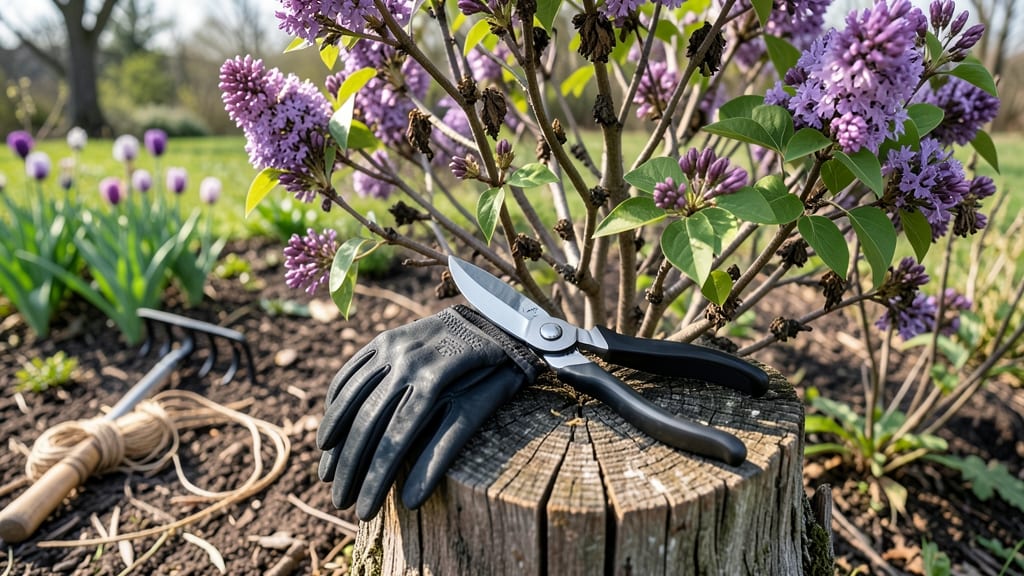
Pruning lilac bushes in what month do you prune lilac bushes is the key to stronger blooms next spring, and timing it right makes all the difference.
Picture this: You’ve just spent weeks admiring your fragrant 🌸 lilacs, only to realize next year’s flowers are sparse—or worse, nonexistent. That’s what happens when pruning happens at the wrong time.
Late winter, just as new growth begins, is the perfect window to shape your shrubs without cutting off next year’s buds.
But here’s the catch: your climate zone matters. In USDA Zone 6a, like many gardeners, late February to early March is ideal. Warmer regions can prune a little later, but wait too long, and you risk stunting new growth.
I’ll walk you through the exact months for your area, plus how to avoid the costly mistakes that leave lilacs looking ragged.
By the end, you’ll know not just when to prune, but how—so your lilacs burst into vibrant blooms year after year, effortlessly.
The best months to prune lilac bushes for maximum blooms
Timing your lilac pruning correctly ensures vibrant blooms next spring while keeping your shrubs healthy. The ideal window is late winter to early spring, just as buds begin to swell but before new growth starts.
This timing allows your lilacs to focus energy on flower production rather than repairing damaged branches.
Pruning at the wrong time—like after flowering or in summer—can reduce blooms or even prevent them entirely. Lilacs are late bloomers, forming flower buds on the previous year's wood, so cutting too late removes next year's potential blooms.
Understanding your USDA climate zone helps fine-tune the perfect moment for your region.
⚠️ NON-NEGOTIABLE: Never prune lilacs in summer or fall. This is the #1 mistake gardeners make, often leading to no flowers the following year. The key is to prune when the plant is dormant but buds are active.
In cold climates (Zones 3-4), aim for late March to early April when buds swell but before leaves emerge. This timing ensures your lilacs have time to harden off before summer heat. Look for 1/4-inch buds—this is your cue to grab the pruners!
Warmer regions (Zones 7-8) can prune earlier, in February or March, when the plant is still dormant but buds are tight. The goal is to avoid late pruning, which stresses lilacs and delays flowering.
In these zones, pruning too late can even kill new growth before it establishes.
If you miss the late-winter window, wait until after flowering to do light shaping, but avoid heavy pruning. The worst time is summer—this removes next year's flower buds, leaving you with bare stems the following spring. Always prune when 20-30% of buds are showing but leaves haven't fully unfurled.
Pro tip: Mark your calendar for 6-8 weeks after your last frost date. This is your absolute deadline for late-winter pruning. For example, if your last frost is April 15, prune by mid-June at the latest—but earlier is always better for maximum blooms.
For overgrown lilacs, you can do a rejuvenation prune in stages over 2-3 years, but still follow the late-winter rule. Cut back 1/3 of old wood each year, focusing on inner branches that don't get sunlight. This method revitalizes mature bushes while preserving flowering potential.
Always use clean, sharp pruners to make 45-degree cuts just above outward-facing buds. Disinfect tools with rubbing alcohol between cuts to prevent disease spread. After pruning, mulch around the base to retain moisture and protect roots during early spring growth.
Remember: Patience pays off with lilacs. Proper late-winter pruning rewards you with lush, fragrant blooms for years to come—just don't rush it! 🌸
Step-by-step guide: how to prune lilac bushes correctly in late winter
Late winter is the ideal time to prune your lilac bushes because the plant is dormant but about to wake up. This timing ensures you remove dead or weak wood while allowing next year’s flower buds to form on new growth.
If you’ve been wondering what month to prune lilac bushes, aim for February through early March in most climates, or right after the last frost in colder regions.
Before you start, gather your tools: sharp pruning shears, hand pruners, loppers for thicker branches, and disinfectant to clean tools between cuts. Wear gloves—lilac branches can be spiky! Start by removing any dead, diseased, or crossing branches first. These cuts encourage airflow and reduce pests.
⚠️ callout-warning ⚠️
⚠️ Critical Timing Mistake!
Pruning lilacs after early spring (March-April) risks cutting off next year’s flower buds, which form on old wood. Buds appear as small swellings along last year’s branches—never prune above these! In warmer climates (USDA zones 7-9), wait until late February to avoid early bud break.
Next, shape your lilac by cutting back one-third of the oldest stems to the ground. This rejuvenation pruning stimulates fresh growth and prevents the bush from becoming overcrowded. For mature bushes, focus on thinning out interior branches to improve light penetration.
Always make cuts at a 45-degree angle, just above a bud or leaf node, to encourage healthy regrowth.
If your lilac hasn’t bloomed well this year, it might need corrective pruning. Look for overly dense centers or branches growing inward—these should be removed entirely. Avoid heavy pruning in a single year; instead, spread it over 2-3 years to reduce stress.
After pruning, mulch around the base with 2-3 inches of organic mulch to retain moisture and protect roots.
Finally, clean up pruned branches and dispose of them properly to prevent disease spread. Lilacs are low-maintenance once established, but proper late-winter pruning ensures vibrant blooms for years to come. With the right technique, your lilac will reward you with fragrant purple, pink, or white flowers by next spring!