
Pests
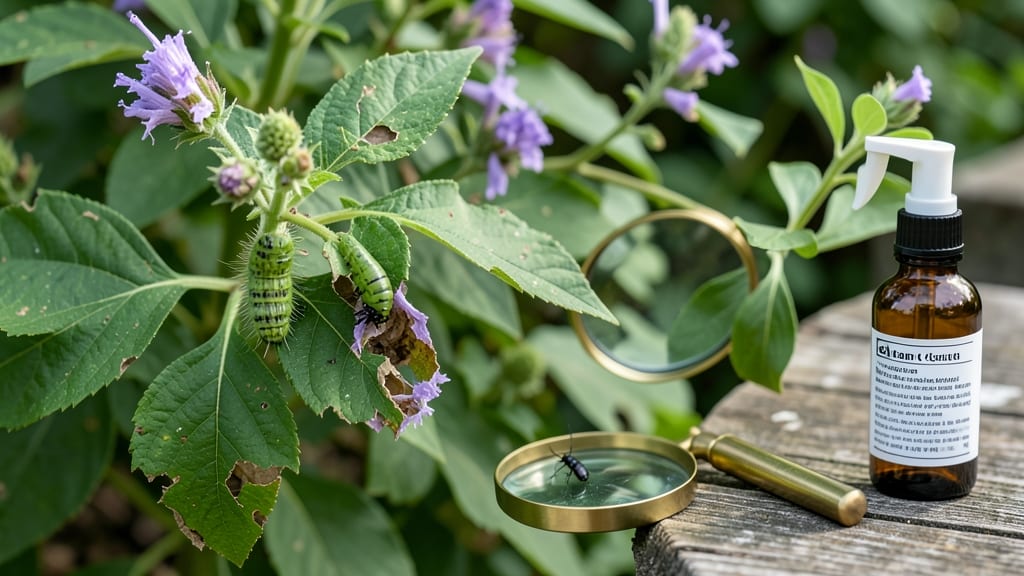
What's eating my butterfly bush?—and it’s not the butterflies doing the damage. 🌿 The culprits are usually hungry caterpillars, beetles, or even deer nibbling on fresh leaves, leaving behind jagged edges or skeletonized foliage that ruins the plant’s lush appearance. I’ve seen entire bushes stripped bare in just days, and the key to saving yours is acting fast with the right identification and solutions.
The most common chewers are tent caterpillars, Japanese beetles, and deer—each leaving distinct signs. Tent caterpillars spin silk webs and chew leaves into lace-like patterns, while Japanese beetles leave round holes and skeletonize foliage.
Deer, meanwhile, tear leaves cleanly at the edges, often targeting young shoots. The good news? Once you spot the damage, you can banish these pests in under 24 hours with targeted organic or physical controls.
By the end of this guide, you’ll know exactly what’s munching on your bush and how to stop it—whether it’s handpicking caterpillars, using neem oil sprays, or installing deer-proof fencing.
The best part? These methods work without harming pollinators or your garden’s ecosystem. Let’s get your butterfly bush back to its full, vibrant glory—fast.
Season matters here: Japanese beetles peak in late summer, while deer are most active at dawn and dusk. Timing your defense strategy right makes all the difference. Ready to reclaim your bush?
The Hidden Culprits Behind Bites
Your butterfly bush (Buddleia davidii) is a magnet for pollinators—but it’s also a buffet for hungry critters that turn its lush foliage into a snack. Understanding why these pests target your plant is the first step to reclaiming its health.
Below, we break down the science, behaviors, and environmental triggers that turn your butterfly bush into a pest playground.
Small but mighty, insects are the most common culprits behind chewed butterfly bush leaves. Their attacks aren’t just random—they’re driven by survival instincts, plant chemistry, and environmental cues.
🌿 Japanese Beetles: The Leaf Skeletons
These shiny, copper-green beetles (Popillia japonica) are notorious for their skeletonizing feeding pattern—leaving behind a lace-like web of veins. Why do they do it?
- Plant Preference: Japanese beetles are drawn to Buddleia’s high nitrogen content and aromatic oils, which they mistake for a signal of tender, nutrient-rich leaves.
- Seasonal Triggers: Adults emerge in late June to August, timed with the bush’s peak growth. Warm temperatures (above 65°F) and sunny days accelerate their activity.
- Swarming Behavior: They release pheromones to attract mates, which also signals more beetles to the same plant—turning one bush into a feast for dozens.
Actionable Insight: If you spot clusters of beetles, act fast. They can defoliate a bush in 24–48 hours.
🐛 Caterpillars: The Leaf Devourers
From tent caterpillars to gypsy moth larvae, caterpillars see your butterfly bush as a protein smoothie. Their chewing isn’t just destructive—it’s strategic.
- Silk Traps: Tent caterpillars (Malacosoma spp.) spin silk nests to protect their colony from predators. These tents insulate the leaves, keeping them moist and tender for easier digestion.
- Nocturnal Feeding: Many caterpillars (like gypsy moths) feed at night to avoid birds. By morning, you’ll see frass (chewed leaf debris) and ragged edges.
- Host Plant Chemistry: Butterfly bushes produce iridoid glycosides, compounds that some caterpillars have evolved to tolerate—or even use as a defense against their own predators.
Pro Tip: Check the undersides of leaves and along stems for eggs or tiny caterpillars. Early detection = less damage.
🐜 Spider Mites: The Sap Suckers with a Side of Chew
While spider mites are more famous for piercing leaves to suck sap, severe infestations can lead to necrotic spots that look like chewing. Here’s why they’re sneaky:
- Drought Stress: Mites thrive in dry, hot conditions (below 50% humidity). When your butterfly bush is water-stressed, its leaves become easier to penetrate, and mites multiply faster.
- Webbing as a Shield: Heavy infestations create fine webbing that traps moisture, allowing mites to digest leaves more efficiently—even if they’re not technically chewing them.
- Ant Symbiosis: Ants often "farm" mites for their honeydew. The ants protect the mites, and the mites provide a food source, leading to exponential growth.
Key Sign: Look for bronzing or stippling on leaves—this is mite damage masquerading as chewing.
Pests don’t attack randomly—they’re responding to stress signals your butterfly bush might be sending. Understanding these triggers can help you prevent future infestations.
🌡️ Heat and Drought: The Stress Signal
When temperatures rise above 85°F or your soil dries out, your butterfly bush reduces its defensive compounds (like tannins and resins). This makes it a softer target for pests.
- Chemical Change: Drought-stressed plants produce less volatile organic compounds (VOCs), which normally repel insects. Pests can smell the weakness from yards away.
- Nutrient Concentration: Under stress, leaves become more concentrated with sugars and proteins, making them a high-calorie snack for chewers.
- Slower Recovery: Chewed leaves on a stressed plant don’t regrow as quickly, giving pests more time to feast.
Solution: Deep watering once a week (1–1.5 inches) can double your plant’s resilience to pests.
🌱 Over-Fertilization: The All-You-Can-Eat Buffet
Too much nitrogen (especially from synthetic fertilizers) makes your butterfly bush grow fast but weak. Here’s how it backfires:
- Soft, Tender Leaves: Rapid growth produces thin, delicate foliage that’s easier to chew.
- Attracts Sap-Suckers: High nitrogen levels increase sap flow, making leaves more appealing to spider mites and aphids (even though they’re not chewers, they weaken the plant for other pests).
- Pest Magnet Effect: Some insects, like Japanese beetles, use nitrogen levels to locate the most nutritious plants in the area.
Fix It: Switch to a balanced fertilizer (10-10-10) or use compost to feed soil microbes instead of burning your plant.
🌿 Poor Airflow: The Pest Party Zone
Butterfly bushes planted too closely together or in shaded spots create perfect pest microclimates. Here’s why:
- Humidity Traps: Stagnant air holds more moisture, which extends the lifespan of chewed leaves (pests have more to eat).
- Reduced Predator Access: Birds, ladybugs, and parasitic wasps (natural pest controls) avoid dense, shaded areas, giving chewers free rein.
- Fungal Hitchhikers: Chewed leaves in humid conditions often develop fungal infections, which further stress the plant and attract more pests.
Quick Fix: Prune for airflow (remove 20–30% of dense growth) and space bushes 3–5 feet apart.
Now that you know why your butterfly bush is under siege, the next step is identifying the specific culprit and acting fast. Stay tuned for our deep dive into signs of infestation and targeted solutions!
Quick Fixes for Butterfly Bush Munchers
Now that you’ve identified the culprit gnawing on your butterfly bush, it’s time to take action! Below are practical, step-by-step solutions tailored to the most common pests, along with prevention tips to keep your plant thriving.
Whether it’s hungry caterpillars, sap-sucking insects, or rodents, we’ve got you covered with easy, effective fixes—no fancy tools required.
If fuzzy or striped caterpillars are devouring your leaves, act fast—they multiply quickly!
🔥 Step 1: Inspect & Remove by Hand
- When: Early morning or evening (pests are sluggish).
- How: Wear gloves and pluck caterpillars off leaves, dropping them into soapy water (🧼). Check under leaves, buds, and stems—they love hiding!
- Pro Tip: 💡 If you spot tent-like webs, you’ve got a tent caterpillar infestation. Prune and destroy affected branches immediately.
🍳 Step 2: Apply Organic Sprays
- Neem Oil Spray: Mix 1 tsp neem oil + 1 tsp mild soap + 1 quart water. Spray every 5–7 days until pests vanish. (✨ Bonus: Repels future eggs!)
- Bacillus thuringiensis (Bt): A microbe-based spray safe for butterflies but deadly to caterpillars. Reapply after rain.
👨🍳 Step 3: Install Physical Barriers
- Row Covers: Drape floating row covers (lightweight fabric) over young plants to block moths from laying eggs.
- Diatomaceous Earth (DE): Sprinkle food-grade DE around the base (🔪 avoid windy days—it’s harmless but loses potency when wet).
🌡️ Prevention:
- Prune regularly to remove egg-laying spots.
- Plant companion flowers like marigolds or basil—their scent deters moths.
Tiny but territorial, these pests suck sap and leave sticky residue. Knock them out with these tricks:
🔥 Step 1: Blast Them Off
- Strong Water Jet: Use a hose nozzle to spray leaves directly (aphids can’t swim!). Repeat every 2–3 days until gone.
- Pro Tip: 💡 Yellow sticky traps catch adult mites—hang them near the bush.
🍳 Step 2: Soap or Oil Spray
- Insecticidal Soap: Mix 2 tbsp castile soap + 1 quart water. Spray until dripping (covers undersides too!). Reapply after rain.
- Horticultural Oil: Apply early morning/late evening (avoid hot days—can burn leaves). Best for spider mites (they hate the suffocating film).
👨🍳 Step 3: Introduce Predators
- Ladybugs or Lacewings: Buy beneficial insects online or release them from egg cards. They love aphids and reproduce fast!
- Bird Feeders: Attract robins or chickadees—they snack on mites too.
🌡️ Prevention:
- Space plants for airflow (mites thrive in humidity).
- Wipe leaves monthly with a damp cloth to remove eggs.
If you see chewed stems or missing buds, furry thieves are likely the culprits.
🔥 Step 1: Set Humane Traps
- Live Traps: Place peanut butter or sunflower seeds inside. Check daily and relocate rodents far from your yard.
- Pro Tip: 💡 Avoid poison—it can harm pets and wildlife.
🍳 Step 2: Block Access Points
- Hardware Cloth: Wrap the base of the bush with 1/4-inch mesh (buried 6 inches deep).
- Prune Low Branches: Rodents jump—keep limbs 3+ feet off the ground.
👨🍳 Step 3: Use Repellents
- Pepper Spray: Mix 1 tbsp cayenne pepper + 1 quart water + 1 tsp dish soap. Spray around the bush’s base (reapply after rain).
- Motion-Activated Sprinklers: Scare them off with sudden water bursts (great for ground-level nibblers).
🌡️ Prevention:
- Remove hiding spots (piles of wood, dense shrubs near your bush).
- Feed birds elsewhere—seed scatterers attract squirrels!
These glittering green beetles skeletonize leaves in hours. Here’s how to stop them:
🔥 Step 1: Handpick & Drown
- When: Early morning (they’re slow). Drop them into soapy water—never crush them (releases pheromones that attract more).
- Pro Tip: 💡 Shake them into a bucket of soapy water if they’re swarming.
🍳 Step 2: Milky Spore Treatment
- Milky Spore Powder: Sprinkle around the base (takes 2–3 years to fully colonize but eliminates grubs long-term).
- Neem Oil: Spray foliar surfaces to deter adults from feeding.
👨🍳 Step 3: Trap Alternatives (Use Caution!)
- Japanese Beetle Traps: Only use if you have a severe infestation—they can attract more beetles if placed near your bush. Set traps 30+ feet away.
🌡️ Prevention:
- Plant trap crops like grapes or roses far from your butterfly bush to lure them away.
- Water deeply—stressed plants attract more beetles.
Even after treating pests, stop future attacks with these easy habits: ✅ Inspect weekly for eggs, chewed leaves, or webbing. ✅ Rotate treatments—pests build resistance to one method. ✅ Keep your garden healthy—water consistently and fertilize lightly (stressed plants = pest magnets). ✅ Encourage predators—plant dill, fennel, or cosmos to attract wasps and lacewings.
Final Thought: 🎯 Act fast, but stay patient. Some pests take 2–3 weeks to fully disappear. Monitor, treat, and prevent—your butterfly bush will bounce back stronger than ever!
Frequently asked questions
Why are my butterfly bush leaves being chewed into lace-like patterns?
Those delicate patterns are classic Japanese beetle damage. These shiny copper-green beetles skeletonize leaves by eating between the veins, leaving the framework intact. They're most active in late summer and can defoliate a bush in just 24-48 hours. Look for clusters of beetles on sunny days—handpicking them early in the morning works best!
What should I do if I find tent caterpillars spinning webs on my butterfly bush?
Remove the webs immediately by pruning affected branches and dropping them in soapy water. For small infestations, handpick caterpillars daily. Apply Bacillus thuringiensis (Bt) spray (safe for butterflies) or neem oil every 5-7 days until they disappear. These caterpillars multiply quickly, so early action prevents total defoliation!
Will deer eat my butterfly bush, and how can I stop them?
Yes! Deer love the tender new growth and often chew clean edges from leaves. Install 8-foot tall fencing or use motion-activated sprinklers to scare them away. Plant deer-resistant companions like lavender or Russian sage nearby to divert their attention. Apply pepper spray (1 tbsp cayenne + 1 quart water) around the base as a natural repellent.
Why does my butterfly bush attract so many pests when others in my neighborhood don't?
Your bush might be more vulnerable due to stress factors like over-fertilization (especially nitrogen), poor airflow, or drought. Pests target weakened plants. Try deep watering weekly, pruning for better circulation, and using balanced fertilizer (10-10-10). Healthy plants naturally repel many insects through stronger defensive compounds!
Is it safe to use chemical pesticides on my butterfly bush?
Chemical pesticides can harm beneficial pollinators and disrupt your garden's ecosystem. Instead, opt for targeted organic solutions: neem oil for caterpillars, insecticidal soap for mites, or handpicking for beetles. These methods are just as effective when applied consistently and won't kill the butterflies your bush attracts!