
Blooming
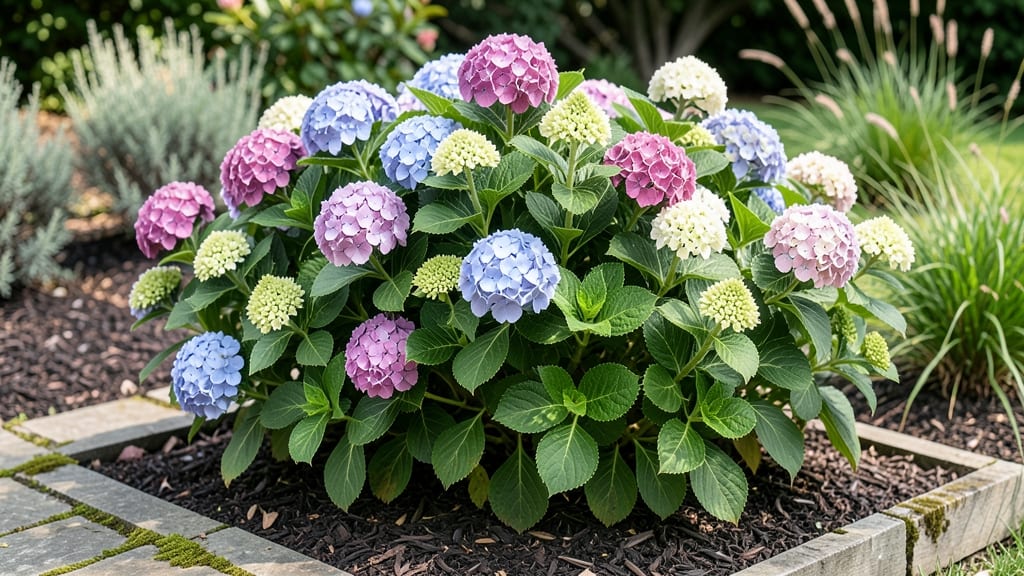
Hydrangea bushes bloom in late spring through summer, but their exact timing depends on the variety and your climate zone.
If you’ve ever waited patiently for your 🌸 hydrangeas to burst into color—only to find them still bare when your neighbor’s plants are already in full glory—you’re not alone.
The secret lies in understanding whether your hydrangea blooms on old wood (last year’s growth) or new wood (this year’s shoots), and how your local frost dates shift the calendar.
In USDA Zone 6, most hydrangeas start forming buds in March, with flowers opening by June. But in warmer zones, like 8 or 9, blooms can appear as early as April, while colder climates may delay them until July.
Even the same variety can bloom weeks apart depending on where you live.
Below, I’ll break down the bloom windows for mophead, lacecap, panicle, and oakleaf hydrangeas, plus the pruning and care tweaks that can shift your blooms earlier—or later—than expected.
Hydrangea bloom seasons by variety: when to expect flowers
Hydrangeas are famous for their spectacular blooms, but their flowering windows vary dramatically depending on the variety. Some burst into color in early summer, while others wait until late fall. Understanding these differences—and why they bloom on old wood vs. new growth—is key to timing your care perfectly.
Let’s break down the bloom seasons for the most popular hydrangea types so you can plan your garden’s color highlights all season long.
The timing of hydrangea blooms depends on two critical factors: whether they flower on old wood (buds set the previous year) or new growth (buds form in spring). This distinction directly impacts when—and how—you should prune.
For example, cutting back a mophead hydrangea too early can mean no flowers that year, while pruning a panicle hydrangea at the right time encourages bigger blooms. Let’s explore the bloom windows for each major type.
If you’re growing mophead hydrangeas (like the classic 'Endless Summer' series), their blooms typically appear from July to September, making them a staple for late-summer color. These varieties flower on old wood, meaning buds form on stems from the previous year.
Prune them right after blooming to avoid cutting off next year’s flowers. Miss this timing, and you might end up with a bare bush!
Lacecap hydrangeas are early bloomers, often bursting into color as early as June. Their delicate, lacy flowers contrast beautifully with their solid mophead cousins. Like mopheads, lacecaps bloom on old wood, so wait until late winter or early spring to prune—just as new growth begins. This ensures you don’t sacrifice next year’s blooms for a tidy look today.
For those who love long-lasting fall color, panicle hydrangeas are the stars of the show. Varieties like 'Limelight' and 'Little Lime' bloom from August through October, often lasting well into frost. The best part?
They flower on new growth, so you can prune them in late winter or early spring without fear of losing blooms. In fact, pruning them at this time encourages even larger flower clusters.
Oakleaf hydrangeas are underrated gems that bloom in late spring to early summer (June-July) and often produce a second flush of smaller flowers in fall. Their unique oak-shaped leaves add texture year-round. Since they bloom on old wood, prune them after flowering to maintain their shape and encourage next year’s blooms. Their foliage also turns stunning shades of red and orange in fall, adding another layer of seasonal interest.
Smooth hydrangeas, including the popular 'Annabelle' variety, are known for their bold, round blooms that appear from mid to late summer. These varieties flower on new growth, so you can prune them in late winter or early spring to shape them and promote vigorous new shoots. Their large, showy blooms make them a favorite for cutting gardens and mixed borders.
One of the most common mistakes gardeners make is pruning old wood bloomers at the wrong time. If you cut back a mophead or lacecap hydrangea in early spring before buds swell, you’ll sacrifice that year’s flowers.
Always wait until after blooming to prune these varieties. For new growth bloomers like panicle and smooth hydrangeas, prune in late winter or early spring to encourage robust new growth and bigger blooms.
Pro tip: Pay attention to your local climate zone—hydrangeas in warmer zones (8-10) may bloom earlier, while those in cooler zones (3-6) might delay until late summer.
Adjust your pruning schedule accordingly to match your region’s typical frost dates and bloom windows. With the right timing, you’ll enjoy hydrangea blooms from <
How climate zones shift hydrangea bloom timing (and what to do about it)
Your hydrangea bushes might bloom months earlier or later than your neighbor's depending on where you live. USDA climate zones play a huge role in determining bloom windows, with zone 10 gardeners enjoying summer blooms while zone 4 growers may see delayed spring flowers.
Understanding these shifts helps you adjust care routines to maximize those stunning floral displays.
The key difference lies in how hydrangeas respond to temperature cues. Cold-hardy varieties like Oakleaf hydrangeas bloom on old wood and need winter chilling, while mophead types often bloom on new growth and adapt better to warmer zones.
Let's break down what this means for your specific climate and how to optimize bloom timing.
In cooler climates (zones 3-5), hydrangeas often wait until late spring to bloom because they need chill hours to set buds. I've seen Oakleaf hydrangeas in zone 4 wait until June for their first flowers, while mopheads might bloom slightly earlier in May.
The solution? Avoid early spring pruning—wait until after blooming to prevent cutting off next year's flower buds.
For warmer zones (7-10), the opposite challenge arises. Hydrangeas may bloom too early in April, only to suffer from heat stress or bud blast before peak color. In zone 10, I've noticed panicle hydrangeas sometimes produce fall reblooms after the initial summer flowers fade.
To extend the season, provide afternoon shade and consistent moisture during heatwaves.
If you're in a transition zone (6-8), you might experience uneven blooming where some stems flower early and others late. The fix? Prune selectively—remove only the oldest stems in late winter to encourage new growth while preserving some old wood bloomers.
This balanced approach works wonders for lacecap hydrangeas that need both old and new wood for consistent flowers.
Pro tip: Monitor bud formation in late winter (February-March). In colder zones, buds may appear small and tight—don't prune yet! In warmer zones, you might see loose buds forming earlier.
Adjust your fertilizer schedule accordingly—feed lightly in spring for zones 3-6, but wait until after blooming in zones 7-10 to avoid overstimulating growth before heat sets in.