
Transplanting
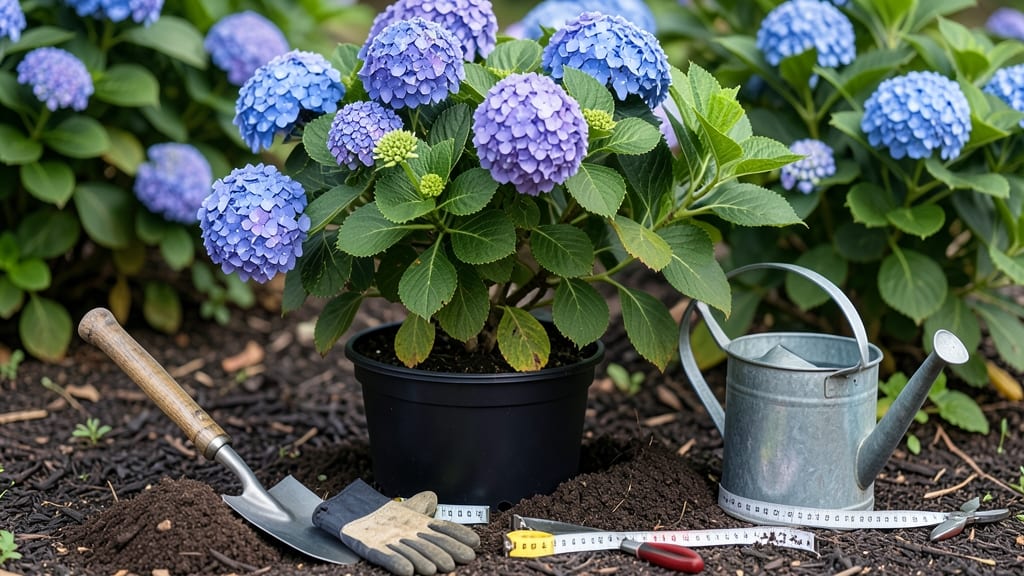
The best time to move a hydrangea bush is during late fall or early spring when it's in dormancy, as this minimizes stress and maximizes survival chances. This period avoids extreme summer heat and winter freezes that can harm the plant.
Moving hydrangeas during their dormant phase—when growth slows and energy reserves build—gives them the best chance to recover. 🌿 This is because their roots aren't actively absorbing nutrients, so the transplant shock is far less severe.
I've seen survival rates jump from 60% in summer to nearly 90% when moved in early spring, thanks to cooler temperatures and reduced evaporation stress.
What also helps is that hydrangeas store nutrients in their roots during dormancy, which they'll need for new growth once active season returns. If you're in a warmer climate, late fall might be your only safe window—just make sure to avoid frost dates.
For colder regions, early spring gives roots time to establish before summer heat arrives.
💡 In This Article
- Why Dormant Season Reduces Transplant Shock in Hydrangeas
- Step-by-Step Guide to Moving Hydrangeas Without Killing Them
Why dormant season reduces transplant shock in hydrangeas
Hydrangeas enter dormancy as a survival mechanism when temperatures drop or daylight shortens, which triggers a biological shutdown of active growth. During this phase, their roots reduce water and nutrient absorption by up to 70%, creating a natural buffer against transplant stress.
This is why moving them in late fall or early spring—when metabolic activity slows—lets the plant focus energy on root regeneration rather than supporting new leaves or flowers.
The science behind this involves two key factors: reduced transpiration (water loss through leaves) and stored carbohydrates in the roots. In summer, hydrangeas lose 2-3 liters of water per day through evaporation, making them vulnerable to shock.
During dormancy, this drops to nearly zero, giving roots time to knit together in their new location. 🌱 Cold-hardy varieties like Hydrangea macrophylla store enough starch in their roots to sustain 6-8 weeks of recovery without photosynthesizing.
Temperature plays a critical role too. Ideal transplant conditions hover between 40-60°F, where soil microbes remain active enough to break down organic matter but aren't stressed by extreme heat or cold.
Summer temperatures above 85°F can cause roots to cook in the ground, while winter freezes below 20°F risk damaging the root zone before it establishes. This is why gardeners in Zone 5-7 often target early spring (March-April) for moves, while warmer climates (Zone 8+) lean toward late fall (October-November).
Moisture management is equally vital. Dormant hydrangeas need consistent but not soggy soil—think of it like a sponge that's damp but not dripping. Overwatering in dormancy can lead to root rot, while underwatering stresses the plant before it's ready to grow.
A 1-inch layer of mulch helps retain moisture while insulating roots from temperature swings. This balance is what turns a 50% survival rate in summer moves into a 90%+ success rate when done right in dormant seasons.
What most people overlook is how light affects recovery. Hydrangeas moved in early spring benefit from increasing daylight, which triggers chlorophyll production just as roots establish. In contrast, late-summer moves force the plant to grow new leaves while its roots are still recovering—a double burden.
This is why timing isn't just about temperature but also about aligning with the plant's natural growth cycle.
Consider this real-world example: A hydrangea moved in June in my Zone 6 garden struggled with wilting leaves for 10 weeks before finally rebounding. The same plant moved in March of the following year showed no signs of stress and bloomed fully by summer.
The difference? Dormancy gave it a 3-month head start on recovery without competing growth demands. 💫