
Pests and Diseases
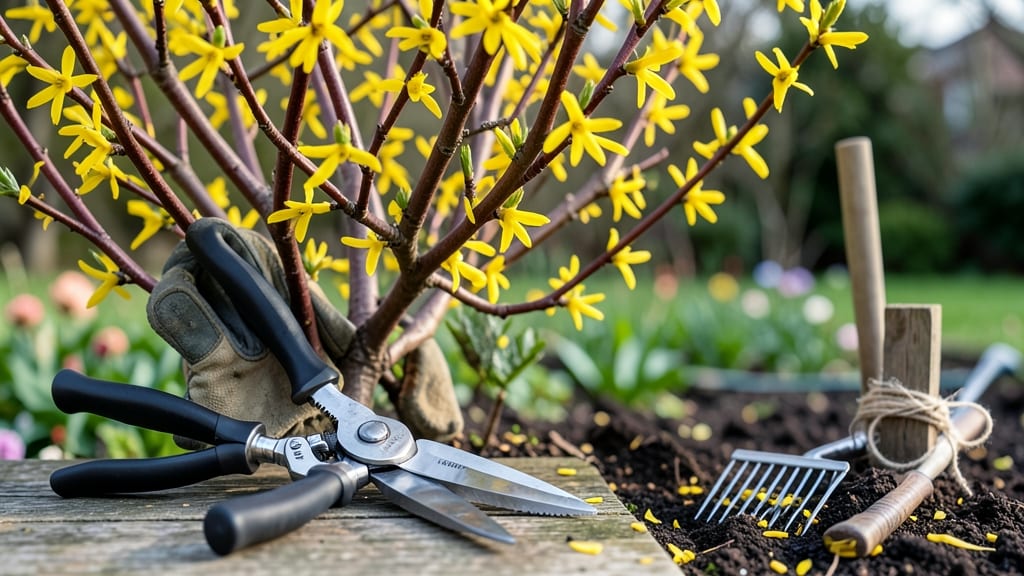
Trimming a forsythia bush at the right time ensures vibrant spring blooms 🌸 and keeps it healthy for years to come—late winter is the perfect window, before those bright yellow flowers even appear.
If your forsythia bush isn’t bursting with vibrant yellow blooms each spring, the timing of your last pruning might be the culprit—yet many gardeners trim at the wrong time, sacrificing next year’s flowers.
Late winter, just as the ground thaws but before buds swell, is when you should reach for those pruners. This timing lets you shape the bush without cutting off next year’s flower buds, which form on old wood.
Below, I’ll walk you through the exact steps to time your pruning for maximum blooms, including how to adjust for your climate zone and what to do if you missed the window.
Late winter pruning timing: the exact window for forsythia blooms
Forsythia bushes burst into vibrant yellow blooms each spring, but their performance depends heavily on when you prune. Many gardeners mistakenly trim too late or too early, accidentally cutting off next year’s flowers.
The secret lies in late winter pruning, just as the plant emerges from dormancy but before buds set for spring.
Pruning during this window—typically January to February—aligns with the plant’s natural growth cycle. Forsythia blooms on old wood, meaning flowers form on branches from the previous year.
Cutting too late risks removing next year’s flower buds before they develop, while trimming too early can stress the plant during harsh winter conditions.
Your local climate plays a crucial role. In warmer zones (USDA 7-10), prune as late as mid-February to avoid early budding. In colder zones (USDA 3-6), aim for late January to early February when frost risks subside but before new growth appears.
Always wait until temperatures stabilize above freezing.
| Climate Zone | Best Pruning Window | Key Trigger | Risk if Pruned Late |
|---|---|---|---|
| USDA 3-6 (Cold Climates) | Late January–Early February | After last hard frost | Removing flower buds |
| USDA 7-10 (Mild Climates) | Mid-February–Early March | Before bud swell | Stunted spring growth |
| All Zones | Never after buds form | Visual inspection | No blooms next year |
The science behind forsythia’s blooming cycle explains why timing matters. During dormancy, the plant stores energy in its roots and branches. When you prune in late winter, you remove dead or weak wood while leaving next year’s flower buds intact.
These buds form on one-year-old stems in late summer, so pruning too late risks cutting them off before they mature.
Look for swollen buds along the branches as your cue to stop pruning. These tiny green swellings indicate the plant is preparing to bloom. If you see them, it’s too late—wait until next winter’s dormant season.
In my Zone 5 garden, I prune in early February, just as the forsythia’s buds begin to plump up but before they burst into color.
Regional adjustments are key. Gardeners in Pacific Northwest climates may prune as late as March due to milder winters, while those in Midwest states should finish by early February.
Always check your local last frost date and prune at least 2–3 weeks before it to avoid stressing the plant with new growth during cold snaps.
Proper pruning technique also matters. Use clean, sharp pruners to make cuts at a 45-degree angle, just above a bud or branch collar. This encourages healthy regrowth while minimizing damage.
I always sterilize my tools with rubbing alcohol to prevent spreading diseases like powdery mildew, which can weaken the plant.
After pruning, your forsythia will reward you with more abundant blooms and a healthier structure. The open center allows sunlight to reach inner branches, promoting even growth. Just avoid heavy fertilization right after pruning—focus on watering deeply and mulching around the base to retain moisture as new growth begins.
Remember, forsythia’s late winter pruning window is short but critical. By mastering this timing, you’ll ensure your bush stays vibrant and blooms beautifully for years to come. The effort pays off with show-stopping yellow cascades that brighten every spring garden.
Step-by-step late winter pruning guide for forsythia bushes
Late winter is the perfect time to prune your forsythia bush—but timing matters more than you think. If you cut too early, you risk removing next year’s flower buds hidden within last year’s growth.
Conversely, waiting too long can leave your bush overcrowded and weak. The goal? Shape your bush while it’s dormant but before new growth begins. Here’s how to nail it every time.
First, check your USDA hardiness zone—this determines your exact window. In zones 5-7, prune between mid-January and early February when temperatures stay below freezing at night. Gardeners in zones 8-9 can wait until late February or early March since mild winters delay dormancy.
The key is to prune 6-8 weeks before your last frost date to avoid shocking new growth.
When Is the Best Time to Trim a Forsythia Bush?
- Step 1: Wait until late winter when your forsythia is fully dormant (no leaves or buds). Check your last frost date—prune 6-8 weeks before it.
- Step 2: For zones 5-7, aim for January–February. In zones 8-9, delay until February–March to avoid early blooms.
- Step 3: Prune on a dry, sunny day to reduce disease risk. Avoid rainy or windy conditions that can stress the plant.
- Step 4: Stop pruning 4-6 weeks before your forsythia’s typical bloom time (usually March–April). This ensures buds form on last year’s wood.
Now that you’ve nailed the timing, let’s talk tools and technique. Grab a pair of sharp bypass pruners for branches under ½-inch thick and a pruning saw for thicker stems.
Always sterilize your tools with rubbing alcohol to prevent spreading disease. Start by removing dead or diseased branches—these are usually brown, brittle, or hollow inside.
Next, cut back weak or crossing branches to improve airflow and sunlight penetration. Aim to thin out the center of the bush while maintaining an open, vase-like shape. When making cuts, angle them just above a bud or node (about ¼-inch above) and at a 45-degree angle.
This encourages upward growth and prevents water from pooling on the cut.
Pro tip: Never remove more than ⅓ of the bush’s total growth in one year. Over-pruning stresses forsythia and can reduce next year’s blooms by up to 50%. After pruning, water deeply and apply a 2-inch layer of mulch around the base to retain moisture and protect roots.
In 3-4 weeks, you’ll see fresh green buds signaling vigorous spring growth.
Finally, keep an eye out for sucker growth—those pesky shoots sprouting at the base. Remove them immediately to redirect the bush’s energy into stronger branches and more vibrant blooms.
With the right timing and technique, your forsythia will reward you with show-stopping yellow flowers that brighten your garden for weeks.