
Pruning
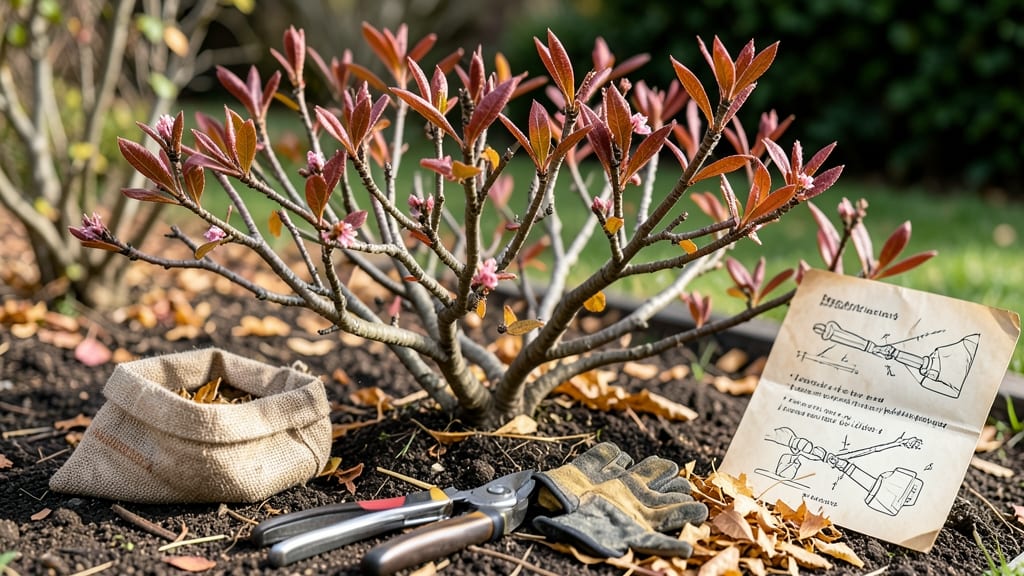
Trimming burning bush shrubs at the right time ensures vibrant fall color and keeps your landscape looking its best 🌿.
Picture this: You’ve just spent hours shaping your burning bush, only to watch it struggle with weak growth or sparse blooms. The secret? Timing your cuts before the buds swell in early spring—never after flowering.
Late trims send the plant into overdrive, leaving it vulnerable to frost and next year’s color duller than expected.
In Zone 6a and beyond, the ideal window is late winter to early spring, right after the last frost but before new growth appears. This gives your shrub time to recover before summer heat sets in.
Regional tweaks matter too—warmer climates may shift the schedule slightly, but the rule stays the same: prune early, avoid late.
Below, I’ll break down the exact steps, tools, and post-pruning care to keep your burning bush thriving all season—plus how to fix mistakes if you’ve already missed the window.
Optimal burning bush pruning timeline: why early spring is critical for fall color
Your burning bush (Euonymus alatus) thrives on precise pruning timing, and getting it wrong can mean the difference between stunning fall foliage and weak, leggy growth.
The 4-week window between late winter dormancy and early spring budding is your golden opportunity—cut too early, and you risk frost damage; cut too late, and you sacrifice next year's vibrant blooms.
This deciduous shrub relies on last year's growth to fuel its signature red-orange fall color. Pruning too aggressively after buds form removes potential blooms, while late-season cuts stimulate tender growth that won't survive winter. Let's break down the science-backed timeline to keep your shrubs healthy and show-stopping.
Comparison Table: Best Pruning Windows for Burning Bush
| Pruning Window | Key Features | Best For | Avoid If |
|---|---|---|---|
| Late Winter (Zone 5-7): Feb-March | Dormant season; no buds visible; soil thawed | Shaping, rejuvenation, heavy pruning | Frost risk or bud swell |
| Early Spring (Zone 5-7): March-April | Pre-bud stage; buds forming but not open | Ideal for fall color optimization | Bud break has occurred |
| Post-Bloom (Zone 8-9): June-July | After flowering; new growth hardened off | Light shaping only | Late summer (new growth vulnerable) |
| Never: Late Summer/Fall | Stimulates tender growth before frost | N/A | All pruning (except emergency) |
The 4-week window between late winter dormancy and early spring budding is your prime opportunity. For Zone 5-7 gardeners, this typically means pruning between February and April, right after the last hard frost but before buds swell.
In warmer climates (Zone 8-9), you can extend this slightly into early spring, but avoid cutting after buds form.
Here's why early spring pruning works best: When you trim during dormancy, you remove last year's dead or weak stems while leaving the current year's buds intact. These buds will develop into next year's stems—and the stems from last year's growth are what produce the iconic fall color.
Cut too late, and you risk removing potential blooms.
Regional climates play a huge role. In northern zones (5-7), aim for pruning 4-6 weeks before bud break—usually late February to early March. In southern zones (8-9), where winters are milder, you can wait until March or even early April to avoid damaging tender new growth.
Always check for bud swell—when you see tiny green buds forming, it's time to stop pruning.
One common mistake is pruning during peak bloom season (May-June). While this might seem logical, it removes the current year's flowers and stimulates tender growth that won't survive winter.
Instead, focus on light shaping after flowering if needed, but keep cuts minimal. The goal is to preserve next year's color potential, not this year's blooms.
After pruning, give your burning bush a light fertilizer application (like a 10-10-10 blend) to encourage robust new growth. Water deeply but avoid overwatering, as soggy soil can stress the plant. Mulch around the base with 2-3 inches of organic mulch to retain moisture and regulate soil temperature.
For overgrown bushes, never remove more than 1/3 of the plant's volume in a single year. Heavy pruning can shock the shrub and reduce its ability to produce fall color.
Instead, spread out rejuvenation pruning over 2-3 years to avoid stress. If your bush looks leggy or sparse, focus on removing dead wood and crossing branches first.
Pro tip: Use clean, sharp pruners to make 45-degree cuts just above a bud or branch collar. This encourages faster healing and reduces disease risk. Disinfect your tools with rubbing alcohol between cuts to prevent the spread of bacterial infections.
Remember, the key to vibrant fall color starts with early spring pruning. By following this timeline, you'll ensure your burning bush stays healthy, well-shaped, and ready to put on its spectacular autumn show year after year. 🌿✂️🍂
Step-by-step burning bush pruning guide: tools, techniques, and mistakes to avoid
Pruning your burning bush shrubs (Euonymus alatus) is more than just shaping—it’s about encouraging vibrant fall foliage and preventing disease. The right tools and techniques make all the difference.
Start by gathering your bypass pruners for thin stems and loppers for thicker branches. Always sterilize blades with rubbing alcohol to avoid spreading bacterial infections. 🌿
Never remove more than one-third of the shrub’s foliage in a single session. This rule protects the plant’s energy reserves and ensures healthy regrowth. Focus on dead or crossing branches first, then thin out the interior to improve airflow.
For a neat, layered look, cut just above a bud facing outward to encourage bushier growth. ✂️
The best time to trim burning bush shrubs is late winter or early spring, just as new growth begins. Avoid pruning in late summer or fall, as this stimulates tender new growth that can’t survive frost damage. In warmer climates (Zones 8-9), you can prune lightly after flowering, but never after September 1st to prevent winter stress.
Use bypass pruners for stems under ½-inch thick—they deliver clean cuts without crushing. For branches between ½-inch and 2-inches, switch to loppers with long handles for leverage. Thicker branches may require a pruning saw, but burning bushes rarely need this unless severely overgrown.
Always make cuts at a 45-degree angle to prevent water from pooling on wounds. 🪴
Common pruning mistakes can turn a healthy shrub into a disease magnet. Avoid topping (cutting back to a flat surface), as this creates unsightly stubs and invites pests. Never prune during peak bloom season (June-July), as this removes next year’s flower buds.
Over-pruning in one season weakens the plant, making it susceptible to powdery mildew or root rot. 🌧️
After pruning, clean up fallen debris to reduce disease risk and apply a balanced fertilizer (10-10-10) to support new growth. Mulch around the base with 2-3 inches of organic matter to retain moisture and regulate soil temperature.
Water deeply once a week unless rain provides adequate moisture. In drought-prone areas, increase watering to every 5-7 days during dry spells. ☀️
For overgrown burning bushes, spread pruning over 2-3 years to avoid shock. Remove no more than ⅓ of the plant each year, focusing on dead wood and dense interior growth.
Shape gradually to maintain a natural, balanced silhouette. If your shrub looks leggy or sparse, it’s likely been neglected—prune aggressively in early spring and fertilize to encourage recovery. 🌳