
How To
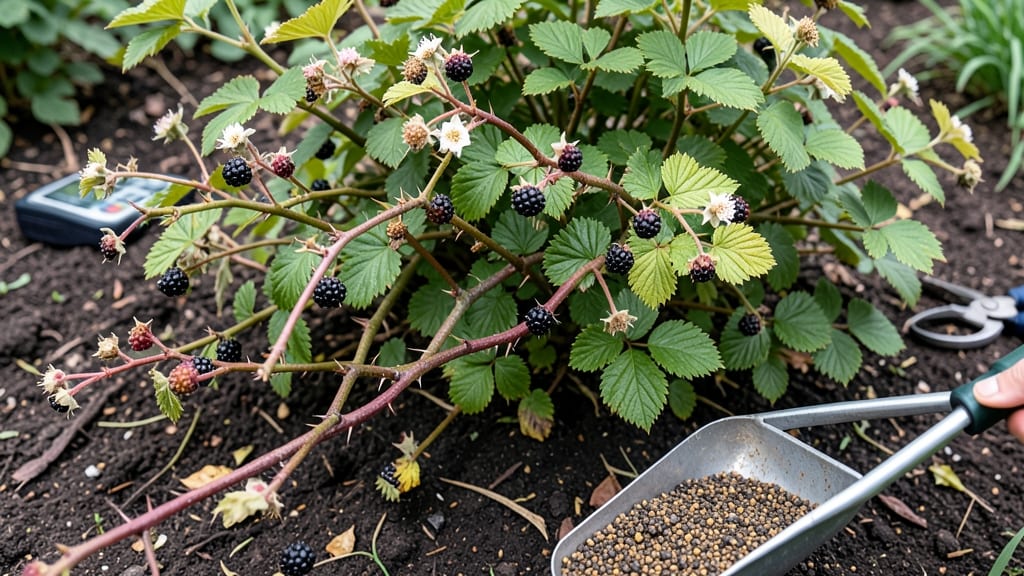
Fertilizing blackberry bushes at the wrong time can leave you with fewer berries and weaker canes 🫐 — here’s the exact schedule to follow for peak yields.
Blackberry bushes thrive when fed at the right times—but fertilizing too early or too late can stunt growth or reduce fruit production. Timing is everything, and these science-backed strategies will help you maximize berry yields year after year.
Most gardeners focus on spring feeding, but the post-harvest window is just as critical. I’ll break down the best times to fertilize, whether you’re using organic or synthetic options, and how to adjust for your climate zone.
You’ll also learn how to spot over-fertilization signs and avoid common mistakes that waste money and hurt your plants. Ready to grow bigger, healthier blackberries? Let’s get started.

Optimal fertilization schedule for blackberry bushes: spring vs. post-harvest timing
Fertilizing your blackberry bushes at the wrong time can backfire—too early and you’ll encourage leafy growth over fruit, while waiting too long means missed nutrient opportunities. The key is understanding your bush’s growth cycle and matching fertilization to its needs.
For most USDA Zones 5-9, the two critical windows are early spring and post-harvest, each serving a distinct purpose in your blackberry’s development.
Your blackberry plants need a balanced NPK ratio (like 10-10-10) to support both vigorous canes and heavy fruit production. However, timing matters more than the fertilizer itself. For example, applying too much nitrogen in late summer can stimulate tender new growth that won’t survive winter frosts.
Let’s break down the science-backed schedule that aligns with your bush’s natural rhythm.
🌱 Comparison Table: Spring vs. Post-Harvest Fertilization for Blackberry Bushes
Your blackberry bushes enter their first critical fertilization window in early spring, typically between March and April depending on your USDA zone. This is when your plants emerge from dormancy and begin pushing out new canes.
A light application of balanced fertilizer (like 10-10-10) or well-aged compost provides the phosphorus and potassium needed for strong root systems and cane development. Think of this as a growth kickstart—too little, and your bushes will struggle; too much, and you’ll encourage weak, leafy canes that won’t produce fruit.
For young blackberry bushes (under 2 years old), focus on root establishment. Use a half-strength fertilizer or compost to avoid shocking tender roots. Mature bushes (3+ years) can handle full-strength applications, but always water thoroughly after fertilizing to prevent root burn.
Pro tip: Mix fertilizer into the top 2-3 inches of soil rather than surface-applying to ensure roots access the nutrients.
The post-harvest window is your second chance to feed your blackberries, and it’s often overlooked. After your bushes have borne fruit, they’ve depleted their nutrient reserves. Fertilizing in late July or August (4-6 weeks post-harvest) helps replenish these stores for next year’s canes.
This is also when you should focus on potassium-rich fertilizers, as they strengthen cell walls and improve cold hardiness—critical for winter survival. In warmer climates (Zones 8-10), you might extend this window to early September, but never later.
One of the most common mistakes I see is over-fertilizing in late summer. When temperatures rise, your blackberries are already stressed from fruiting, and excess nitrogen can lead to sodden, disease-prone growth that won’t harden off before winter.
Always check your local first frost date—if you’re in Zone 5, stop fertilizing by September 1st; in Zone 9, you might have until October 15th. When in doubt, err on the side of less fertilizer, especially as fall approaches.
Soil health plays a huge role in how your blackberries respond to fertilization. Before applying any fertilizer, test your soil’s pH (ideally 5.5-6.5 for blackberries) and nutrient levels. If your soil is already rich in organic matter, you might only need a light top-dressing of compost rather than synthetic fertilizer.
For sandy soils, which drain quickly, use slow-release fertilizers to prevent nutrients from washing away. In clay soils, incorporate fertilizer deeper (4-6 inches) to avoid surface crusting.
If you’re growing organic blackberries, focus on compost, worm castings, or fish emulsion during the early spring window. These provide a steady release of nutrients without the risk of burning tender roots.
For post-harvest, switch to potassium-rich amendments like greensand or wood ash (used sparingly). Organic fertilizers take longer to break down, so apply them 2-3 weeks earlier than synthetic options to
How to choose the right fertilizer for blackberry bushes: organic vs. synthetic options
Blackberry bushes need the right nutrients to produce juicy, high-yielding berries, but not all fertilizers work equally. The choice between organic and synthetic options depends on your gardening goals, soil health, and how quickly you want to see results.
Organic fertilizers like compost or manure improve soil structure over time, while synthetic options provide immediate nutrient boosts with precise ratios.
For blackberries, a balanced 10-10-10 NPK ratio is ideal during active growth, but organic matter like aged compost or worm castings enhances long-term soil fertility. Slow-release fertilizers are also a great middle ground, offering steady nutrition without the risk of nutrient burn that can harm tender blackberry roots.
Let’s break down the pros and cons to help you decide what’s best for your bushes.
🌱 Pros & Cons: Organic vs. Synthetic Fertilizers for Blackberries
| Type | Pros | Cons | Best For |
|---|---|---|---|
| Organic | Improves soil health Slow-release nutrients No chemical runoff |
Slower results Requires frequent application May contain weeds/seeds |
Long-term soil health Sustainable gardens Organic gardening |
| Synthetic | Fast nutrient delivery Precise NPK ratios Easy to apply |
Risk of over-fertilization Can harm soil microbes Requires frequent reapplication |
Quick growth boosts Urban gardens High-yield goals |
| Slow-Release | Steady nutrient flow Reduces burn risk Less frequent application |
Higher upfront cost Limited organic options |
Balanced nutrition Busy gardeners Container growing |
If you’re using organic fertilizers, apply a 2-3 inch layer of compost around the base of your blackberry bushes in early spring.
For manure, use well-aged varieties like cow or horse manure at a rate of 1-2 pounds per plant, working it into the top 6 inches of soil.
This mimics natural nutrient cycles and builds soil fertility over time, which is especially beneficial for young blackberry plants still establishing roots.
For synthetic fertilizers, opt for a balanced 10-10-10 formula during active growth phases (spring and post-harvest). Apply ½ cup per mature bush, spreading it evenly over the soil surface and watering it in thoroughly.
Avoid synthetic fertilizers in late summer or fall, as they can stimulate late-season growth that won’t harden off before winter, leaving your bushes vulnerable to frost damage.
Slow-release fertilizers are a fantastic compromise, especially for gardeners who want consistent nutrition without the hassle of frequent applications. Look for products with sulfur-coated urea or polymer-coated granules, which dissolve gradually over 3-6 months.
These are perfect for established blackberry bushes that need steady nourishment during the growing season. Apply them in early spring and again after harvest for optimal results.
Regardless of the type you choose, always water your blackberry bushes deeply after fertilizing to help nutrients penetrate the soil and prevent root burn. Monitor your plants for signs of over-fertilization, such as yellowing leaves or stunted growth, and adjust your feeding schedule accordingly.
With the right fertilizer and timing, your blackberry bushes will reward you with bountiful, flavorful berries for years to come. 🫐