
Planting
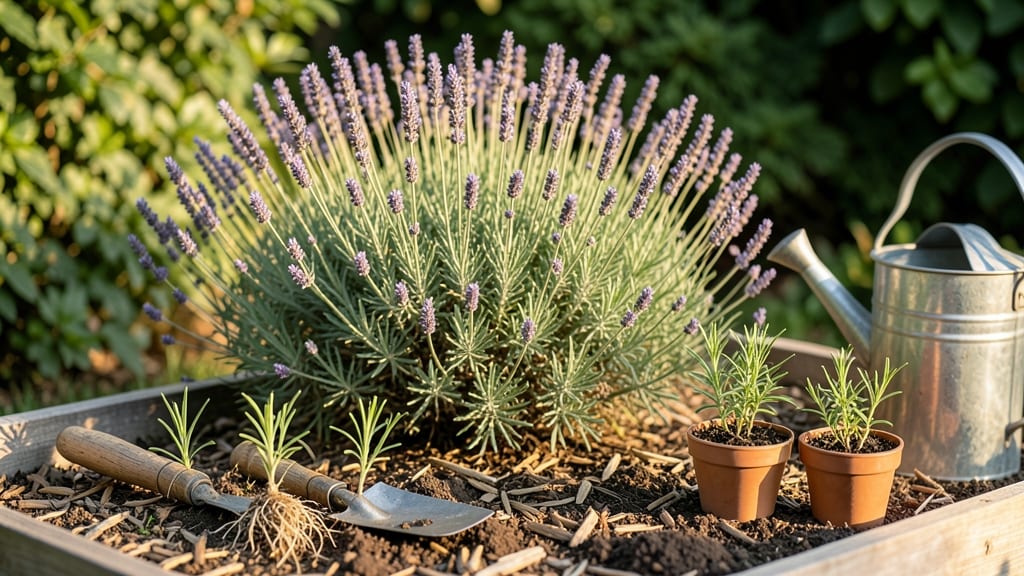
Planting lavender bushes in early spring or early fall gives them the best shot at thriving roots and fragrant blooms 🌿.
Picture this: you’ve spent your hard-earned money on beautiful lavender starts, only to watch them struggle because you planted them at the wrong time. The difference between success and disappointment often comes down to timing—especially when it comes to avoiding those brutal summer heatwaves or early frosts.
Whether you’re in USDA Zone 6a or another region, knowing the exact window for planting lavender can mean the difference between a lush, fragrant garden and a sad, stunted plant.
Below, I’ll break down the best months for your area, soil prep tips, and why container planting gives you more flexibility.
By the end, you’ll know exactly when to plant lavender bushes for strong growth, how to prepare your soil, and even how to adjust for your local climate—so you can enjoy that signature lavender scent all season long.
Best planting months for lavender by USDA hardiness zones
Lavender thrives when planted during its optimal growth windows, which vary dramatically by USDA hardiness zone. In cooler zones like 5-7, early spring planting gives roots time to establish before summer heat, while warmer zones 8-10 benefit from fall planting to avoid drought stress.
The key is avoiding extreme heat or frost periods—both can stunt young lavender plants before they take root.
I’ve planted lavender in zones 6a and 8a, and the difference between spring and fall success is night and day.
In my zone 6 garden, planting in April (after frost risk passes) ensures robust growth, while my friend in zone 9 plants hers in September to beat summer’s brutal heat. Let’s break down the perfect planting windows for each zone to help you time it just right.
🌱
In zones 5-6, where winters are harsh, I always opt for late spring planting—typically after May 1st—to ensure the ground has thawed and soil temperatures are stable.
Young lavender roots are particularly vulnerable to soil heaving from freeze-thaw cycles, so giving them time to establish before winter is critical. I’ve seen lavender planted too early in these zones fail completely because the roots simply couldn’t survive the winter stress.
For zone 7 gardens, both spring and fall work, but timing is everything. Plant in April-May for a summer bloom, or choose September for a fall-to-spring display. The key is ensuring at least 6-8 weeks of growth before the first frost.
In my zone 7a garden, I mark my calendar for September 1st as the absolute deadline—any later and the plants won’t have enough time to root before winter.
Warmer zones like 8-10 offer more flexibility, but summer heat can be deadly for young lavender. I recommend fall planting in these areas, ideally between September and October, to take advantage of cooler temperatures and consistent moisture.
If you must plant in spring, do it in February-March to avoid the peak heat of June and July. In zone 10, where I’ve helped friends plant, we often use shade cloth for the first few weeks to protect tender new growth.
Microclimates can shift planting windows by 2-4 weeks, so always check your local frost dates. Coastal areas in zone 8 might have milder winters, while inland zones could face earlier frosts.
For example, San Diego (zone 10) can plant lavender year-round, while Phoenix (also zone 10) must avoid summer planting due to extreme heat. Use your local cooperative extension office as a resource—they often provide hyper-local frost maps that are far more accurate than general zone guidelines.
One common mistake I see is planting lavender in containers during summer months, assuming the pot will protect the roots. While containers do offer some flexibility, summer heat still stresses young plants.
If you’re planting in pots, use light-colored containers and self-watering systems to maintain moisture without overheating the roots. I’ve had better success with fall container planting in zones 8-10, where the plants establish roots before winter.
🌿
Remember, lavender’s first year is all about roots, not flowers. The more time you give those roots to establish in ideal conditions, the faster your lavender will mature and the more fragrant blooms you’ll enjoy.
Whether you’re in frost-prone zone 5 or droughty zone 10, choosing the right planting window makes all the difference between a struggling shrub and a thriving, fragrant bush that lasts for decades.
How to time lavender planting for perfect root establishment
Timing your lavender planting correctly ensures strong root development and sets the stage for years of fragrant blooms. The key lies in understanding soil temperature thresholds and seasonal growth cycles. Lavender roots establish best when soil temps reach 50-60°F (10-15°C), signaling spring's arrival or fall's cooling transition.
Planting too early risks frost damage to tender roots, while late planting may leave plants struggling to establish before summer's intense heat stress. The ideal window balances these extremes, giving lavender 6-8 weeks of growing time before extreme weather arrives.
- 🌱 Soil Temperature: Wait until soil reaches 50-60°F (10-15°C)—use a soil thermometer for accuracy
- 🌡️ Spring Planting: Aim for 4-6 weeks before last frost (typically March-April in most US zones)
- 🌿 Fall Planting: Plant 6-8 weeks before first frost (usually September-October)
- ☀️ Avoid Heat Stress: Never plant when daytime temps exceed 85°F (29°C)—roots can scorch
- 💧 Moisture Balance: Water deeply once after planting, then reduce to every 7-10 days—lavender hates soggy roots
For container-grown lavender, timing flexibility exists since pots warm faster. However, still target the same soil temperature thresholds—simply monitor your container's base with your finger (should feel warm but not hot). Containers also dry out quicker, so adjust your watering schedule accordingly.
Regional microclimates matter—coastal areas with mild winters can plant later into fall, while inland zones should plant earlier in spring. Check your USDA zone and local frost dates to refine your timing further. For example, Zone 7 gardeners should plant by April 15 or September 15.
After planting, focus on minimal disturbance to roots. Mulch lightly with gravel or straw (never organic mulch) to retain moisture without suffocating roots. Within 4-6 weeks, your lavender should show new growth—this confirms successful root establishment.
Remember: Patience pays off with lavender. Rushing the process risks stunted growth or poor winter survival. By following these timing cues, you'll cultivate hardy, fragrant bushes that thrive for years—no guesswork required! 🌿