
How To
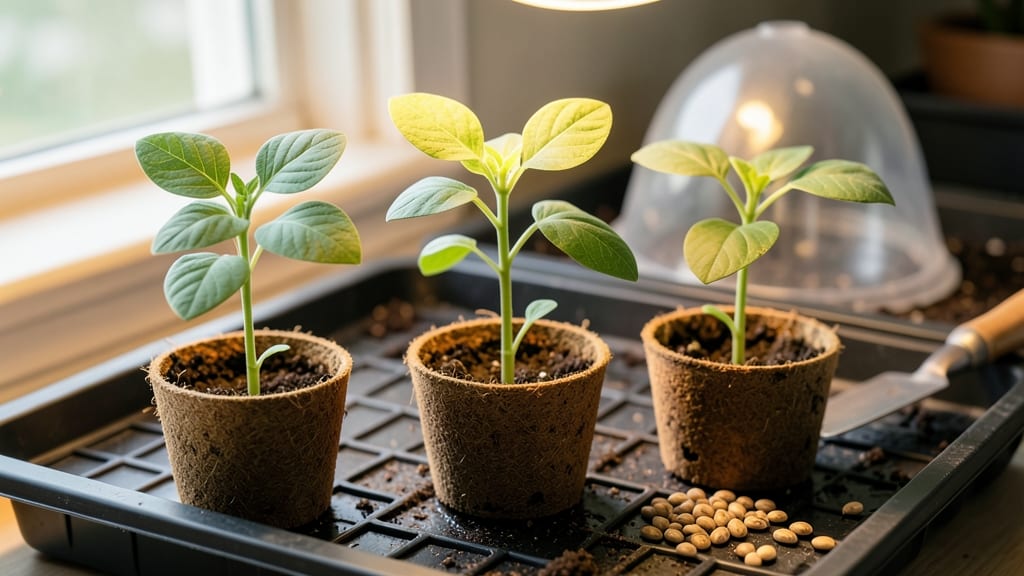
To start bush beans indoors at the perfect time, aim for 4-6 weeks before your last frost—a window that balances seedling strength with outdoor readiness.
Picture this: you’ve got a tray of 🌱 bush bean seedlings stretching toward the light, but the soil outside is still too cold. Or worse, you’ve already transplanted them when the heat arrives, and the plants bolt before producing a single pod.
Timing is the difference between a garden full of beans and a lesson in patience.
For most gardeners in USDA Zone 6, that means starting seeds around mid-March—just as the days lengthen and the soil begins to warm.
But regional differences matter, and cold-hardy varieties like 'Blue Lake' or 'Contender' can handle earlier starts if you’re willing to use row covers or cold frames to protect tender seedlings.
In this guide, I’ll walk you through the exact dates for your zone, the ideal temperatures for germination, and a simple checklist to ensure your bush beans thrive from seed to harvest—without the guesswork.
Best indoor start times for bush beans by US hardiness Zones
Getting your bush beans off to a strong start indoors means timing your seeds perfectly to match your USDA hardiness zone. Plant too early, and you’ll end up with leggy, weak seedlings that struggle to thrive.
Too late, and your harvest arrives just as summer fades. The key is starting 3-4 weeks before your last frost date, adjusted for your specific zone.
Cold-hardy varieties like 'Blue Lake' and 'Contender' are perfect for early starts because they tolerate cooler soil temperatures. These varieties can handle 50-60°F soil temps when transplanted, giving you a wider window to get them in the ground before summer heat arrives.
Let’s break down the exact weeks to start indoors for each zone.
For Zones 3-4, where frosts linger late, start your bush bean seeds indoors as early as early April. This gives you a 3-4 week head start before your last frost, typically around May 5-15.
Use grow lights to prevent leggy seedlings, and harden off your plants for 1-2 weeks before transplanting around May 10-20.
In Zones 5-6, your window shifts slightly later. Aim to start seeds between late March and early April, with transplanting outdoors between late April and mid-May. This timing aligns with soil warming to 60°F or higher, which is critical for root development.
Varieties like 'Blue Lake' thrive in these zones and reward you with a bountiful harvest.
Gardeners in Zones 7-8 have the advantage of an extended growing season. You can start seeds as early as mid-February for a spring harvest or even late summer for a fall crop.
Transplant outdoors between late March and early April, and consider succession planting every 2 weeks to keep a steady supply of fresh beans.
If you live in Zones 9-10, your focus shifts to heat-tolerant varieties like 'Blue Lake Bush'. Start seeds indoors in December or January for an early spring transplant.
Use shade cloth during peak summer heat to protect your plants, and be prepared to harvest continuously from March through May.
Remember, soil temperature is just as important as air temperature. Bush beans need soil that’s at least 60°F to thrive. Use a soil thermometer to monitor conditions before transplanting. If your soil is too cold, wait a few extra days or use black plastic mulch to warm it up faster.
Pro tip: Mark your transplant date on your calendar and count backward 3-4 weeks to determine your indoor start date. This simple trick ensures you never miss the optimal window. With the right timing, you’ll enjoy a continuous harvest of fresh, homegrown beans all summer long.
Don’t forget to harden off your seedlings before transplanting. Gradually expose them to outdoor conditions over 7-10 days to reduce transplant shock. This step is especially critical for cold-hardy varieties like 'Contender,' which can still struggle if moved too quickly.
Cold-hardy bush bean varieties that thrive when started indoors early
Not all bush beans handle cool starts equally—some varieties like 'Tendercrop' and 'Provider' are bred to germinate in 50-55°F soils, while others like 'Blue Lake' struggle below 60°F. Choosing the right cold-hardy variety lets you start seedlings 4-6 weeks earlier without risking poor germination or weak plants.
These varieties also tolerate light frosts after transplanting, giving you more flexibility in early spring planting.
If you're in USDA Zones 3-5, cold-hardy varieties are a game-changer. They let you begin indoor sowing as early as late February, while heat-loving types like 'Kentucky Wonder' won't germinate until soil warms to 65°F+.
The key difference lies in their germination temperature range and early-season vigor, which we'll break down in the comparison below.
| Variety | Germination Temp (°F) | Cold Tolerance | Days to Maturity | Best For |
|---|---|---|---|---|
| Tendercrop | 50-60°F | Excellent (survives 28°F) | 50-55 days | Early starts, short seasons |
| Provider | 55-65°F | Very good (survives 30°F) | 55-60 days | Northern climates, late frosts |
| Blue Lake | 60-70°F | Moderate (survives 32°F) | 55-60 days | Warm seasons, longer harvests |
| Contender | 50-60°F | Excellent (survives 28°F) | 50-55 days | Early planting, drought tolerance |
| Kentucky Wonder | 65-75°F | Poor (survives 32°F) | 60-65 days | Hot climates, late starts |
For early indoor starts, I recommend 'Tendercrop' or 'Contender'—they'll germinate reliably even when your basement is 50°F. Place seeds ½ inch deep in seed-starting mix and keep them under grow lights (14-16 hours/day) until soil warms.
These varieties also handle transplant shock better than heat-lovers like 'Kentucky Wonder', which bolt quickly in cool weather.
If you're in Zone 4 or colder, prioritize 'Provider'—it tolerates 30°F after transplanting and produces heavy yields in short seasons. For Zone 5-6, 'Tendercrop' is my top pick due to its 50°F germination and disease resistance.
Always use sterilized soil and bottom watering to prevent damping-off in cool starts.
Pro tip: Mix perlite into seed-starting mix (20% perlite, 80% potting soil) to improve drainage for cold starts. This prevents root rot while maintaining moisture—critical when seedlings are still small. Once true leaves appear, harden off for 7-10 days before transplanting when soil hits 55°F.
Remember, cold-hardy varieties won't outperform heat-lovers in summer, but they're the only way to get an early harvest in northern climates. Pair them with row covers after transplanting for extra frost protection, and you'll extend your growing season by 3-4 weeks compared to traditional varieties.