
Shrubs
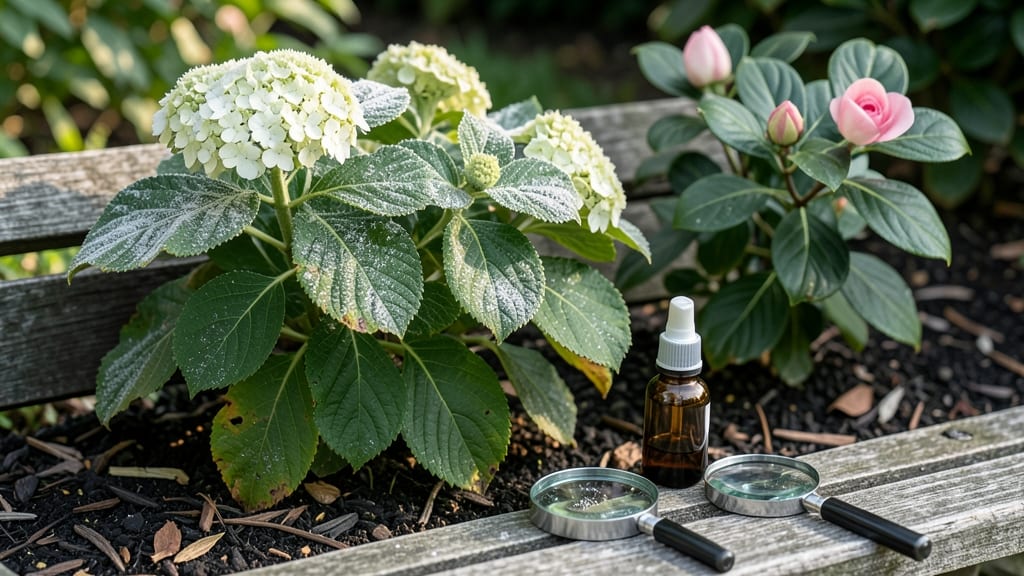
White spots on bushes usually mean one of three things: a fungal infection, mineral buildup, or a pest problem—and ignoring them turns a small issue into a full-blown crisis. 🌿 I’ve seen powdery mildew turn lush shrubs into sad, dusty skeletons in just two weeks, but the good news is most cases are fixable with the right approach.
The first step is figuring out what’s causing those spots, because fungicides won’t help if it’s actually lime deposits or spider mites.
Start by examining the spots closely: are they powdery and easy to wipe off? That’s powdery mildew, the most common fungal culprit. Sticky residue? Likely honeydew from aphids. Or maybe the spots only appear on one side of the leaves—then it’s probably mineral spray from hard water.
Most fungal issues thrive in crowded, damp conditions, so proper spacing and air circulation can cut your risk by half before you even need treatments.
Once you’ve identified the problem, the fix depends on the cause. For fungal diseases, a mix of neem oil and baking soda spray works wonders, while mineral deposits need a simple rinse with water. Pests require targeted solutions like insecticidal soap.
The key is acting fast—once the spots spread to the stems, recovery gets a lot harder. I’ve saved bushes that looked doomed by catching the issue early and sticking with consistent treatments.
Prevention is where the real game-changer lies. Space your plants properly, water at the base (not overhead), and avoid overhead sprinklers during humid weather. A light fungicide spray every 4-6 weeks during peak growing season keeps most fungal problems at bay.
Trust me, your bushes will thank you with thick, healthy foliage all season long.
Why it happens
If you’ve spotted mysterious white patches on your bushes, don’t panic—you’re not dealing with a magic trick. These spots are usually a sign of fungal or bacterial infections, environmental stress, or even pest activity.
Understanding the root cause is the first step to saving your plants. Let’s break down the most common culprits and why they strike.
Fungi thrive in damp, shaded conditions, making them a frequent offender behind white spots on bushes. Here’s how they sneak in:
Powdery Mildew: The Fluffy Culprit
- Why it happens: This fungus spreads like wildfire in humid, low-light environments (think dense foliage with poor airflow).
Spores land on leaves, germinate, and release enzymes that break down plant cells, creating those telltale white, powdery patches. - Key triggers: - High humidity (above 75%) without drying periods. - Overcrowded plants blocking sunlight and airflow. - Weakened plants from overwatering, nutrient deficiencies, or stress. - Actionable insight: Powdery mildew loves hostas, roses, and lilacs—so if your bush is in this family, it’s extra vulnerable.
White Rust: The Rusty White Threat
- Why it happens: Unlike powdery mildew, white rust produces white pustules (like tiny blisters) on the undersides of leaves, often with a yellow halo.
It’s caused by the fungus Albugo, which thrives in cool, wet springs and attacks plants like gooseberries, currants, and some ornamentals. - Key triggers: - Excessive moisture on leaves (e.g., overhead watering). - Cool temperatures (50–70°F) paired with high humidity. - Susceptible plant species (e.g., Ribes spp., snapdragons). - Actionable insight: Remove infected leaves immediately—this fungus spreads via water splashes!
Not all white spots are fungal. Bacteria like Pseudomonas or Xanthomonas can cause water-soaked lesions that turn white or grayish as they die.
How Bacteria Cause White Spots
- Why it happens: Bacteria enter through wounds (e.g., pruning cuts, hail damage) or natural openings (stomata).
They multiply in wet conditions, releasing toxins that kill plant tissue, leaving behind white, crinkled, or dead patches. - Key triggers: - Rain or overhead irrigation splashing bacteria onto leaves. - Poor sanitation (e.g., reusing contaminated tools). - Stressed plants (drought, poor soil, or nutrient imbalances). - Actionable insight: Bacterial spots often have yellow halos—a dead giveaway.
Prune infected areas with sterilized tools (70% rubbing alcohol) to prevent spread.
Sometimes, white spots aren’t from disease—they’re a side effect of pests feeding on your bush.
Spider Mites & Whiteflies: The Tiny Thieves
- Why it happens: These pests pierce leaves to suck sap, leaving behind white stippling (tiny dots) or webbing.
Their waste (honeydew) can also attract sooty mold, creating a secondary white film. - Key triggers: - Drought stress (mites love dry conditions). - Yellow sticky traps near the bush (sign of whiteflies). - New growth (pests target tender leaves). - Actionable insight: Check the undersides of leaves for mites (tiny red dots) or whiteflies (tiny white flies).
A strong spray of water can knock them off—try it in the early morning!
Caterpillars & Sawfly Larvae: The Leaf Skeletons
- Why it happens: Some caterpillars (like looper larvae) eat leaves in a net-like pattern, leaving white, skeletonized tissue behind.
Sawfly larvae can also create white frass (droppings) mixed with chewed foliage. - Key triggers: - Overfertilized nitrogen (attracts pests). - Lush, new growth (their favorite snack). - Actionable insight: Look for frass (tiny black specks) or silken webs—signs of hungry larvae.
Not all white spots are biological. Sometimes, environmental factors weaken plants, making them prone to other issues.
Salt or Chemical Burn
- Why it happens: Road salt, de-icing chemicals, or harsh fertilizers can leave white, crusty deposits on leaves.
Over time, this damages cells, causing discoloration or necrosis. - Key triggers: - Winter de-icing near sidewalks. - Over-salting soil (check for white residue on soil surface). - Improper herbicide drift (e.g., glyphosate on non-target plants). - Actionable insight: Rinse affected leaves with water and avoid fertilizing until new growth appears.
Powdery Sooty Mold
- Why it happens: This isn’t a fungus itself—it’s a black or white mold that grows on honeydew (sap excreted by pests like aphids or scale).
While it’s usually black, heavy infestations can appear white or grayish on light-colored leaves. - Key triggers: - Pests feeding on sap (aphids, mealybugs, scale). - High humidity (mold thrives in sticky, sugary environments). - Actionable insight: Control the pests first—sooty mold will fade once the honeydew source is gone!
Not sure what’s causing the white spots? Ask yourself:
- Are the spots powdery? → Likely powdery mildew.
- Are there white pustules or blisters? → Could be white rust.
- Do leaves have yellow halos or water-soaked marks? → Bacterial spot.
- See tiny dots, webbing, or frass? → Pest damage.
- White crust on soil or leaves? → Chemical/salt burn.
Once you identify the cause, you’re ready to tackle it—stay tuned for our treatment and prevention guide next!
Quick Fixes for Bush Spot Woes
White spots on your bushes don’t have to mean the end of their beauty—with the right approach, you can restore them to health and keep them thriving. Below are practical, step-by-step solutions tailored to the most common causes, from fungal infections to environmental stress.
Each fix is designed to be easy to follow, whether you’re a gardening newbie or a seasoned green thumb.
If powdery mildew, rust, or leaf spots are the culprits, act fast to prevent further damage.
🔥 Remove Infected Foliage Immediately
- Snip off severely affected leaves, stems, or branches with sterilized pruners (wipe with rubbing alcohol between cuts).
- Dispose of infected plant debris in the trash (not the compost)—fungi can survive and reinfect.
- Pro tip: 💡 If the bush is heavily infected, consider pruning back 10-20% of the plant to improve airflow and reduce humidity in the center.
🍳 Apply Fungicidal Treatments
- Neem oil spray (1 tsp neem oil + 1 tsp mild soap + 1 quart water): Spray early morning or late evening to avoid burning leaves.
Reapply every 7-10 days until symptoms disappear. - Baking soda solution (1 tbsp baking soda + 1 quart water + a few drops of dish soap): A budget-friendly option for powdery mildew.
Test on a small area first to avoid leaf damage. - Commercial fungicides (like copper-based sprays or myclobutanil): Use as a last resort if organic methods fail. Follow label instructions carefully.
🌡️ Adjust Growing Conditions Fungi thrive in humid, shady environments.
To prevent recurrence: - Space plants 3-5 feet apart for better airflow. - Water at the base (avoid overhead sprinkling) and water early in the day so foliage dries quickly. - Prune for sunlight: Thin out dense branches to let sunlight penetrate the bush’s center.
Spider mites, aphids, and scale insects can leave white residue (like webbing or honeydew) and weaken plants.
👨🍳 Blast Off Pests with Natural Sprays
- Insecticidal soap (2 tbsp castile soap + 1 quart water): Spray directly on pests (avoid hot sun to prevent leaf burn).
- Horticultural oil (like dormant oil): Apply in early spring or fall to smother overwintering pests.
Reapply if rain washes it off. - DIY garlic spray (blend 2 garlic cloves + 1 tsp cayenne pepper + 1 quart water; strain and spray): Repel mites and soft-bodied insects.
🕷️ Introduce Beneficial Predators
- Ladybugs (eat aphids), lacewings (devour mites), or predatory mites (control spider mites): Buy from garden centers and release in the evening.
- Birds and toads love snacking on pests—add a birdbath or toad house to encourage them.
🎯 Prevent Future Infestations
- Inspect new plants before bringing them home (quarantine for a week if possible).
- Remove weeds around bushes—they harbor pests.
- Avoid over-fertilizing with nitrogen (weakens plants, making them pest magnets).
White spots from sun scorch, frost damage, or mineral deposits require different care.
☀️ Shield from Sun or Wind Burn
- Move potted bushes to a spot with partial shade (especially in peak afternoon sun).
- Mulch heavily (2-3 inches of organic mulch) to protect roots from temperature swings.
- Use shade cloth (30-50%) if your bush is in a hot, exposed area.
❄️ Frost or Cold Damage Recovery
- Trim dead tissue with clean pruners, cutting just above a healthy bud.
- Cover young or tender bushes with frost cloth if frost is forecasted.
- Water deeply before cold snaps to help roots withstand freezing.
💧 Flush Mineral Buildup
If white spots are from hard water or fertilizer salts:
- Water thoroughly with rainwater or distilled water to rinse soil.
- Amend soil with compost or peat moss to improve drainage.
- Avoid over-salting (check fertilizer labels for low-sodium options).
Once your bush is back in shape, keep it healthy with these proactive steps:
| Problem | Prevention Tip |
|---|---|
| Fungal diseases | Plant resistant varieties (e.g., disease-free azaleas or hydrangeas). |
| Pests | Rotate companion plants (e.g., marigolds repel pests). |
| Sunburn | Gradually acclimate new plants to sunlight (hardening off). |
| Mineral buildup | Test soil annually and adjust pH if needed (aim for 6.0-7.0 for most shrubs). |
Final Thought: 🌿 With the right care, your bushes can bounce back stronger than ever. Start with identifying the cause, then tackle it head-on—your garden will thank you! For stubborn cases, don’t hesitate to consult a local nursery for expert advice.
Frequently asked questions
Why do white spots appear on only one side of my bush leaves?
This often signals powdery mildew or white rust fungus, which typically infects the undersides of leaves first where humidity lingers. Check for powdery residue on leaf undersides—if present, improve airflow by pruning dense branches and avoid overhead watering.
Are white spots always a sign of disease?
Not necessarily! Mineral deposits from hard water, chemical burn (like salt or fertilizer residue), or even pest damage (such as spider mite feeding) can create white spots. Test by gently wiping a spot—if it leaves a white mark, it's likely mineral buildup. If it's powdery, it's probably fungal.
How often should I spray fungicide to prevent white spots?
For prevention, apply a neem oil or baking soda spray every 2-3 weeks during humid seasons (spring/fall). If treating an active infection, spray every 7-10 days until symptoms disappear. Always spray in the early morning or evening to avoid leaf burn.
Will pruning help stop white spots from spreading?
Pruning improves air circulation and sunlight penetration, which are key to preventing fungal growth. Remove 10-20% of dense growth and dispose of infected leaves in the trash (not compost). Sterilize pruners with rubbing alcohol between cuts to avoid spreading spores.
Can I still use my bush for cooking or crafts if it has white spots?
Only if the spots are from mineral deposits or environmental stress—rinse leaves thoroughly before use. If fungal or bacterial, avoid edible use as spores can be harmful. For crafts, wash leaves with mild soap and water, but fungal-infected leaves may weaken faster when dried.