
Pests
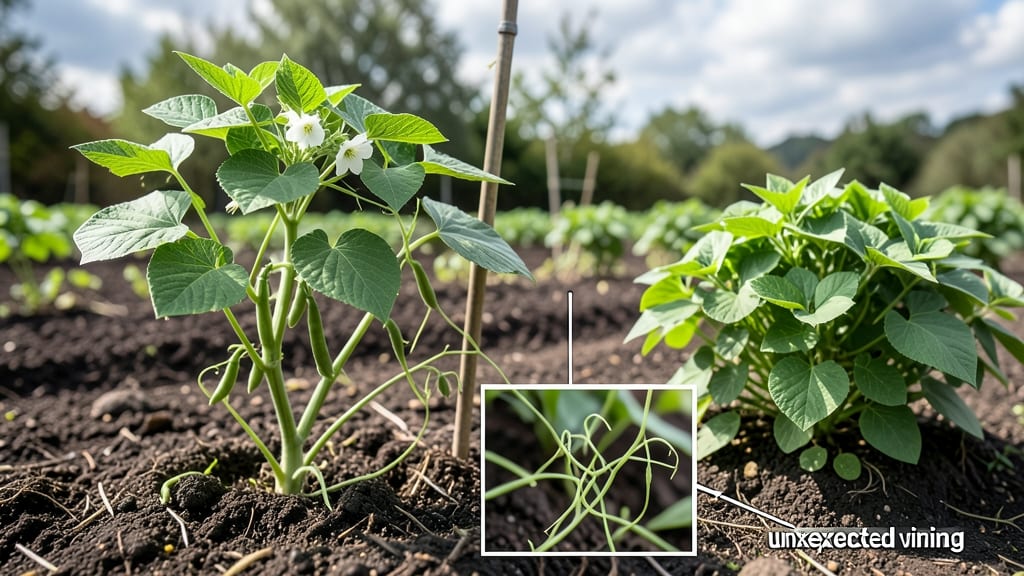
Your bush beans are vining because they’re confused—or worse, mislabeled. 🌱 I’ve seen this happen when seed packets get mixed up or when plants stretch toward light like they’re pole beans.
The good news? This isn’t a death sentence—just a fixable quirk. Let’s diagnose the real reason and get those beans back to their compact, productive selves.
Most bush beans stay low and bushy because of their genetics, but stress—like overcrowding, poor soil, or inconsistent water—can trigger vining. Even a single mislabeled seed can turn your neat rows into a jungle.
The fix is simple: prune the vines back, give plants room to breathe, and add support if needed. Within days, you’ll see fresh growth in the right direction.
Prevention starts with the right seeds and smart spacing. Plant bush beans 4–6 inches apart in full sun, and watch them stay true to their name. If vining strikes later, a sturdy trellis or cage keeps them upright without sacrificing yield.
The goal? Beans that snap easy and fill your pot like they’re supposed to.
This works for containers, raised beds, or in-ground gardens—just adjust spacing. The key is acting fast. Once you spot the vines, you’ve got a 72-hour window to nip the problem before it spreads. Let’s get those beans back on track!
Root Causes Behind Bean Vines
When your bush beans start stretching upward like eager toddlers reaching for a cookie jar, it’s rarely a sign of good news. Instead, it’s usually a cry for help—your plants are telling you something’s off.
Understanding the why behind this behavior is the first step to saving your harvest. Below, we break down the most common culprits, backed by science, so you can diagnose the issue fast and take action.
Bush beans are short-day plants, meaning they thrive in full sunlight (6–8 hours daily) and bolt or vine excessively when starved of light.
When sunlight is limited—due to shade from taller plants, nearby structures, or overcast skies—your beans interpret this as a signal to grow taller in search of light. This triggers etiolation, a process where stems elongate rapidly, become weak, and produce fewer pods.
Key signs:
- Stems stretch thin and leggy 🪴
- Leaves grow pale or yellowish
- Pods form but stay small or fail to develop
Actionable fix:
- Move containers or relocate plants to a sunnier spot (south-facing is ideal in the Northern Hemisphere).
- Thin out competing plants (like corn or sunflowers) to reduce shade.
- Use reflective surfaces (like white mulch or aluminum foil) to bounce light onto shaded areas.
Bush beans despise soggy roots. When soil stays too wet—whether from overwatering, heavy clay, or no drainage—they struggle to absorb nutrients and oxygen. As a survival tactic, they may vine excessively to escape the waterlogged conditions, a response sometimes called hydroponic stress.
Additionally, overwatering can leach vital nutrients (like nitrogen) from the soil, further stressing the plant.
Key signs:
- Yellowing leaves (chlorosis) 🌿
- Stems appear waterlogged or mushy
- Slow growth despite frequent watering
- Fungal issues (like root rot) may follow
Actionable fix:
- Let the top 1–2 inches of soil dry out between waterings (stick your finger in to test!).
- Improve drainage by amending soil with compost or perlite.
- Avoid watering late in the day to prevent fungal growth.
- If in containers, ensure pots have drainage holes and elevate them slightly.
Bush beans are sensitive to extreme temperatures. If nights stay too warm (above 75°F/24°C) or days dip too cold (below 50°F/10°C), they may bolt prematurely or vine aggressively as a stress response.
Heat stress can also disrupt pollination, leading to fewer pods. Conversely, cold snaps slow metabolism, stunting growth and encouraging vertical elongation.
Key signs:
- Leaves curl or wilt in heat 🌡️
- Flowers drop off without setting pods
- Stunted growth despite adequate water
- Purple tinges on leaves (phosphorus deficiency, often heat-related)
Actionable fix:
- Use shade cloth (30–50%) during heatwaves to protect plants.
- Plant in late spring or early summer for optimal temps (60–75°F/15–24°C).
- Mulch with straw to regulate soil temperature.
- If frost threatens, cover plants with frost cloth at night.
Bush beans are heavy feeders, especially during pod formation. A deficiency in key nutrients—particularly nitrogen (N), phosphorus (P), or potassium (K)—can trigger vining as the plant prioritizes survival over bushy growth. For example:
- Low nitrogen: Leads to pale, yellow leaves and weak stems.
- Low phosphorus: Causes dark green leaves with purple stems (common in cool soils).
- Low potassium: Results in weak stems and poor disease resistance.
Over-fertilizing with nitrogen (especially late in the season) can also promote leafy growth at the expense of pods, indirectly encouraging vining.
Key signs:
- Yellowing between leaf veins (nitrogen deficiency) 🌿
- Stunted growth with dark, purplish stems (phosphorus deficiency)
- Weak, brittle stems (potassium deficiency)
- Excessive leaf growth with few pods
Actionable fix:
- Test your soil (kits are affordable and available at garden centers).
- Apply a balanced fertilizer (10-10-10) at planting, then switch to a low-nitrogen, high-phosphorus formula (like 5-10-10) when flowers appear.
- Add compost or well-rotted manure to improve soil fertility naturally.
- Avoid over-fertilizing—more isn’t always better!
Now that you’ve pinpointed the likely cause, the next step is to act fast to bring your bush beans back on track. Each of these issues is fixable—don’t let a little vining turn into a lost harvest! 🚀
Quick Fixes for Bush Beans Turning Viny
If your bush beans are suddenly stretching upward like overenthusiastic climbers, don’t panic—there are practical ways to correct the issue and prevent it from happening again. Below are targeted solutions based on the most common causes, along with easy-to-follow steps and prevention tips to keep your beans compact and productive.
If your beans are vining due to insufficient sunlight, they’ll stretch desperately toward light, becoming leggy and weak. Here’s how to correct it:
- 🔥 Move Them to a Sunnier Spot Relocate your bush bean plants to a location that receives at least 6–8 hours of direct sunlight per day. If you’re growing them in containers, shift them to a sunnier windowsill or balcony.
- 🌡️ Use a Reflector or Mirror If sunlight is limited (e.g., in shaded gardens or early spring), place a white reflective board or mirror near the plants to bounce extra light onto their leaves.
- 🌱 Thin Out Nearby Plants If taller plants (like corn or sunflowers) are shading your beans, trim back competing foliage to improve airflow and light penetration.
✨ Prevention Tip: When planting, choose a south-facing spot (in the Northern Hemisphere) or a location with minimal obstructions. If growing in containers, opt for self-watering pots to avoid overcrowding.
Overwatering or drought stress can trigger vining as beans scramble to find stability or moisture. Here’s how to get it right:
- 👨🍳 Water at the Base, Not the Leaves Use a drip irrigation system or watering can to deliver moisture directly to the soil, keeping leaves dry to prevent fungal issues.
- 💧 Check Soil Moisture Before Watering Stick your finger 1–2 inches into the soil. If it’s dry, water deeply until moisture reaches 6 inches down. If it’s soggy, wait a day or two.
- ⏰ Water in the Morning Early watering reduces evaporation and gives roots time to absorb moisture before evening.
💡 Pro Tip: Mulch around plants with straw or grass clippings to retain moisture and regulate soil temperature.
If your beans are already vining, pruning can encourage a bushier, more compact shape. Here’s how:
- 🔪 Trim Back Leggy Stems Use clean, sharp scissors to snip off the top 2–3 inches of overly tall stems. This redirects energy to lower branches, promoting bushier growth.
- 🌱 Pinch Off Flower Buds (Temporarily) If your beans are flowering but not setting pods, remove the first few flower clusters to force the plant to focus on foliage growth before producing more beans.
- 🌿 Support Weak Stems If vining is due to wind or poor support, stake or cage the plants with bamboo stakes or tomato cages to keep them upright.
🎯 Prevention Tip: For future plantings, choose determinate bush bean varieties (like ‘Blue Lake’ or ‘Contender’) instead of indeterminate types, which naturally vine.
If pests (like aphids or spider mites) or diseases (like powdery mildew) are stressing your plants, they may vine as a survival response. Here’s how to tackle it:
- 🚿 Spray Off Pests with Water Use a strong stream of water to dislodge aphids or mites from leaves. Repeat every 2–3 days until pests are gone.
- 🧴 Apply Neem Oil or Insecticidal Soap Mix 1 tsp neem oil per quart of water with a drop of dish soap and spray on affected areas. Reapply every 5–7 days.
- 🌡️ Improve Air Circulation Space plants 12–18 inches apart to reduce humidity and prevent fungal diseases like powdery mildew.
🔥 Prevention Tip: Rotate crops yearly to avoid soil-borne pests and diseases. Also, plant companion crops like marigolds or nasturtiums to deter pests naturally.
Nutrient imbalances (especially too much nitrogen) can cause beans to focus on leafy growth over pod production, leading to a vining habit. Here’s how to correct it:
- 📊 Use a Low-Nitrogen Fertilizer Switch to a balanced fertilizer (e.g., 5-10-10) or an organic option like compost or worm castings. Avoid high-nitrogen fertilizers, which promote foliage over beans.
- 🥗 Add Phosphorus for Flowering Mix in bone meal or rock phosphate at planting time to encourage flowering and pod set.
💡 Pro Tip: Beans are nitrogen-fixers, meaning they pull nitrogen from the air. Over-fertilizing can harm them—test your soil before adding amendments.
Final Note: With these fixes, your bush beans should return to their compact, productive selves in 1–2 weeks. Keep an eye on sunlight, water, and soil health, and your harvest will thank you! 🌱🍲
Frequently asked questions
Could my bush beans actually be pole beans in disguise?
It’s possible! Many gardeners accidentally plant pole bean seeds labeled as bush beans. Pole beans naturally vine, while true bush beans stay compact. Check your seed packets—if you see terms like "indeterminate" or "climbing," you’ve got pole beans. For a quick test, look at mature plants: bush beans rarely exceed 2 feet tall, while pole beans can grow 6–10 feet.
Will pruning vines actually help my bush beans?
Trimming leggy stems by 2–3 inches encourages bushier growth by redirecting energy to lower branches. Use clean scissors and cut just above a leaf node. For severe cases, remove up to 1/3 of the vine length. Just avoid pruning during flowering—wait until after harvest to avoid stunting future growth.
How do I tell if my beans are vining from stress or just growing normally?
Normal bush beans stay low and bushy, while stressed vines show these red flags: stems stretch thin and weak, leaves grow pale or yellow, and pods form but stay small. Healthy bush beans have sturdy 1–2 foot stems with dark green leaves. If you see any of these signs, act fast—vining from stress often worsens without intervention.
Can I still get a good harvest from vining bush beans?
Yes, but you may need to adjust your approach. Support the plants with small cages or stakes to keep them upright, and focus on lower pods first. While yields might be slightly reduced, vining beans can still produce plenty—just expect smaller, more spread-out harvests. For next season, choose certified bush bean seeds to avoid this issue entirely.
What’s the fastest way to fix vining bush beans in containers?
Move them to full sun immediately and add a mini tomato cage for support. Water only when the top 1–2 inches of soil are dry, and switch to a balanced fertilizer (like 5-10-10). Most container-grown beans recover within 7–10 days with these adjustments. If space is tight, consider pruning back the vines by 1/3 to encourage bushier regrowth.