
Pests and Diseases
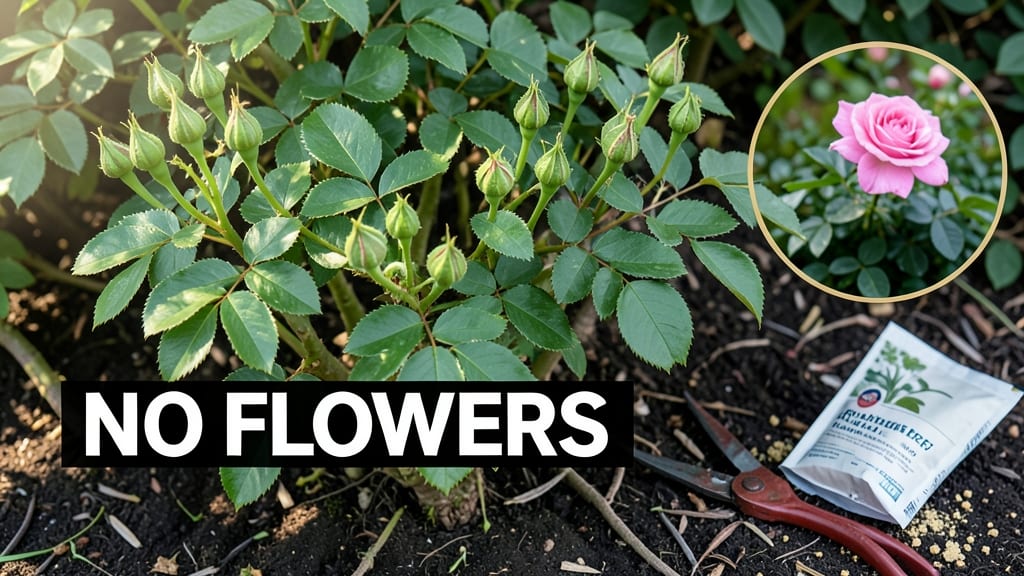
Why is my rose bush not flowering? You might be overlooking one of these three hidden culprits—pruning at the wrong time, soil that’s either too rich or too poor, or sunlight that’s inconsistent. 🌹 I’ve diagnosed this exact issue with my own hybrid tea roses, and the fix isn’t as complicated as it seems. Most gardeners overlook the simplest checks: checking for last year’s dead wood, testing soil pH, or adjusting watering schedules.
Pruning too late in the season or cutting back too aggressively sends your rose bush into survival mode instead of flower production. The key is timing—prune in early spring when buds begin to swell, and always cut just above an outward-facing bud.
If your soil is packed with nitrogen (think lush green leaves but no blooms), switch to a low-nitrogen, high-phosphorus fertilizer to encourage flowering. And here’s a quick test: if your leaves are pale yellow with dark green veins, that’s a classic sign of iron deficiency.
You’ll know you’ve cracked the code when you see swollen buds forming by late spring and a steady stream of blooms through summer.
The secret is balancing pruning, sunlight (6+ hours of direct sun daily), and soil health—once you get it right, your roses will reward you with weeks of vibrant blooms instead of just foliage. The first step is identifying which of these three factors is holding yours back.
This method works for hybrid teas, floribundas, and even climbing roses—just adjust the pruning approach slightly. For example, climbers need less aggressive pruning, while shrub roses benefit from more open, airy shapes. Start with one rose bush as your test case, and you’ll have blooms to spare by midsummer.
Root Causes Behind Blooming Failures
If your rose bush is refusing to put on a floral show, the problem likely stems from one—or several—of these key biological triggers. Roses are finicky but predictable: when their fundamental needs aren’t met, they prioritize survival over romance (aka flowers).
Let’s dig into the science behind why your bush is playing hard to bloom.
Roses are heliophiles—they crave sunlight like a caffeine addict needs coffee. Without enough light, their energy focus shifts from flowering to basic leaf production. Here’s the breakdown:
- Photosynthesis slowdown: Light drives the process that fuels blooms. In shade (<6 hours/day), roses produce less chlorophyll, weakening their ability to convert sunlight into energy for flowers.
- Hormonal imbalance: Low light reduces florigen (the flower-inducing hormone). Think of it like a chef running out of ingredients—no florigen = no bouquets.
- Actionable fix: Ensure your rose gets 6–8 hours of direct sunlight daily. South-facing spots (in the Northern Hemisphere) are ideal. If shade is unavoidable, opt for dwarf or shade-tolerant varieties like ‘The Fairy’ or ‘Zéphirine Drouhin.’
Roses are thirsty divas, and their drama extends to soil health. Overwatering or poor nutrition directly sabotages blooms by:
- Root suffocation: Soggy soil cuts off oxygen, leading to anaerobic conditions that stunt root growth. Weak roots = fewer nutrients for flowers.
- Nitrogen overload: Too much nitrogen (common in fresh manure or synthetic fertilizers) promotes leafy greenery at the expense of blooms. It’s like feeding a bodybuilder protein instead of carbs—they’ll get big, but not functional.
- Micronutrient deficits: Phosphorus and potassium are the flower power duo. Low levels delay bud formation. Test your soil—ideal ranges are 30–50 ppm phosphorus and 100–200 ppm potassium.
Pro tip: 💡 Use a balanced fertilizer (10-10-10 or 5-10-5) in early spring, then switch to a phosphorus-heavy formula (e.g., 0-10-10) when buds form. Water deeply 1–2 times per week (more in extreme heat), ensuring the top 6 inches of soil stay moist but not waterlogged.
Pruning is like giving roses a haircut—do it wrong, and they’ll grow a mullet (all leaves, no flowers). Common blunders include:
- Cutting too late: Pruning after mid-August removes next year’s flower buds. Roses form buds on old wood (last year’s growth), so late cuts = missed opportunities.
- Over-pruning: Shearing more than 1/3 of the plant stresses it, diverting energy to recovery instead of blooms.
- Wrong cuts: Trimming too close to the bud or leaving stubs encourages suckers (weak, non-flowering shoots) and disease.
Fix it: Prune in early spring (just as new leaves emerge) or right after flowering. Use clean, sharp shears to make 45-degree cuts above an outward-facing bud. Aim to open the center of the bush for airflow and sunlight.
Hidden invaders can silently drain your rose’s energy, leaving it too weak to flower. Watch for:
- Japanese beetles: These metallic green pests skeletonize leaves, reducing photosynthesis by up to 50%. A single beetle can devour 100+ leaves per day.
- Black spot fungus: Causes dark spots on leaves, leading to premature leaf drop. Without leaves, the plant can’t photosynthesize enough for flowers.
- Aphids & spider mites: Suck sap, weakening the plant and spreading viral diseases that stunt growth.
Combat them: 🔥 Spray affected areas with neem oil or insecticidal soap. For black spot, apply copper fungicide in early spring. Remove heavily infested leaves immediately to prevent spread.
Most of these issues are reversible with targeted fixes. Start by auditing your rose’s light, soil, pruning history, and pest activity. Often, a single adjustment—like moving the plant to sunnier ground or fertilizing with phosphorus—can trigger a bloom explosion within weeks.
Revive Your Rose Bush Now
Don’t let a lackluster rose bush break your heart—most flowering issues have simple fixes! Below, we’ve mapped out the most common culprits and actionable steps to bring those blooms back.
Think of this as your rose bush’s emergency repair kit—each solution is tailored to the problem, with pro tips to keep your plant thriving long-term.
If your rose bush is basking in shade (or partial shade) all day, it’s time to give it a sunny spot. Roses are sun-worshippers—they need 6 to 8 hours of direct sunlight daily to produce buds.
⏰ Move It to the Sun (Step-by-Step)
- 🔍 Scout the Spot: Pick a location where the bush gets morning sun + at least 4–6 hours of afternoon light. South- or west-facing walls are ideal.
- 🌿 Gradual Transition: If moving from deep shade, shift the bush inch by inch over a week to avoid sunburn (yes, roses can get sunburned!).
- 🌞 Supplemental Light (Temporary Fix): Use a grow light for 12–14 hours/day if relocating isn’t an option.
💡 Pro Tip: If your yard is shady, choose a dwarf rose variety (like ‘The Fairy’ or ‘Playboy’) that tolerates less sun—or plant in a container and move it to a sunny patio during peak hours.
Soggy roots = no flowers. Roses hate “wet feet,” and compacted or clay soil traps moisture, leading to root rot and stress. Check your soil: If it stays damp 2+ days after watering, drainage is the issue.
🔥 Drainage Rescue Mission
- 🏗️ Amend the Soil: Dig in 3–4 inches of compost or perlite to loosen heavy soil. For containers, use a mix of potting soil + sand/perlite (1:1 ratio).
- 💦 Water Smarter:
- Water deeply 2–3 times per week (early morning) instead of daily shallow sprinkles.
- Avoid wetting leaves—use a soaker hose or drip irrigation at the base.
- 🚿 Test for Drainage: Dig a hole near the bush, fill it with water, and time how long it takes to drain. If it’s slower than 4 hours, keep amending.
🌡️ Pro Tip: Mulch with wood chips or straw (2–3 inches deep) to regulate soil moisture and temperature. Just keep mulch away from the stem to prevent rot.
Yellow leaves? Small buds that drop? Your rose might be starving—or getting the wrong diet. Roses need a balance of nitrogen (leafy growth), phosphorus (blooms), and potassium (strength). Too much nitrogen = lush foliage, zero flowers.
📊 Rose-Specific Fertilizing Plan
| Problem | Fix | When |
|---|---|---|
| No blooms, lots of leaves | Switch to a high-phosphorus fertilizer (look for a 5-10-5 or 10-20-10 ratio). Try rose-specific granules or liquid bloom boosters. | Spring (after pruning) + mid-summer (every 4–6 weeks). |
| Weak, pale new growth | Add compost or worm castings for organic nutrients. Top-dress soil with kelp meal for potassium. | Early spring and fall. |
| Yellowing leaves | Test soil pH (ideal: 6.0–6.5). If too alkaline, add sulfur or peat moss. If too acidic, mix in lime. | Test in spring; amend as needed. |
✨ Pro Tip: Over-fertilizing is worse than under! Follow package instructions, and flush soil with water every 2 months to prevent salt buildup.
Pruning wrong (or not at all) confuses your rose bush—it either grows wild or refuses to bloom. The key? Prune at the right time and with purpose.
👨🍳 Prune Like a Pro (Timing + Technique)
- 🌸 When to Prune:
- Late winter/early spring (just before new growth starts): This is the big prune! Cut back to 3–5 healthy buds per stem.
- After flowering (summer): Trim 1/3 of the oldest canes to encourage new growth.
- Avoid fall pruning—it stresses the bush before winter.
- 🔪 How to Prune:
- Use clean, sharp shears (sterilize with rubbing alcohol).
- Cut at a 45-degree angle 1/4 inch above an outward-facing bud.
- Remove dead, crossing, or weak stems first.
- Never leave stubs—this invites disease.
💡 Pro Tip: If your rose is overgrown but hasn’t bloomed yet, prune lightly in spring and focus on fertilizing + sunlight first. Heavy pruning can delay blooms.
Pests like aphids, spider mites, or Japanese beetles sap energy, while diseases (like black spot) weaken the plant. If you spot holes, sticky residue, or odd spots, act fast.
🔪 Pest & Disease Cleanup
- 🐜 For Insects:
- Spray with neem oil (mix 1 tbsp + 1 tsp mild soap per quart of water). Reapply every 5–7 days.
- Introduce beneficial insects (ladybugs, lacewings) or hose off aphids with a strong stream of water.
- For Japanese beetles, handpick them into soapy water or use
Frequently asked questions
1My rose bush has lots of green leaves but no flowers—what's wrong?
This is a classic sign of nitrogen overload from fertilizer or compost. Too much nitrogen fuels leaf growth at the expense of blooms. Switch to a high-phosphorus fertilizer (5-10-5 ratio) and reduce nitrogen sources. Apply in spring when buds begin to swell, not during active leaf growth.
2Can I prune my rose bush in summer and still get flowers?
Light summer pruning is fine, but avoid heavy cuts after mid-August—this removes next year's flower buds. For summer maintenance, trim only dead or diseased wood and shape lightly. Focus on removing spent blooms (deadheading) to encourage continuous flowering in repeat-blooming varieties.
3How do I know if my rose bush is getting enough sunlight?
Roses need 6-8 hours of direct sunlight daily. Check for these signs: leaves are small and pale (not enough light) or crispy with brown edges (too much). Move your bush gradually if it's currently in shade—sudden exposure can cause sunburn. South-facing locations work best in the Northern Hemisphere.
4Why do my rose buds form but then drop off?
Bud drop usually means environmental stress—common causes include sudden temperature swings, insufficient water, or poor soil drainage. Ensure consistent moisture (1-2 inches per week) and protect from late frosts. If buds form but drop repeatedly, test your soil pH (6.0-6.5 ideal) and add compost for better nutrient retention.
5Are there any rose varieties that flower with less sunlight?
Yes! Some shade-tolerant varieties include 'The Fairy' (dwarf), 'Zéphirine Drouhin' (climbing), and 'Playboy' (shrub). These can handle 4-6 hours of sunlight but still produce flowers. For container roses, move them to sunny spots during peak daylight hours when possible to maximize blooms.