
Pruning
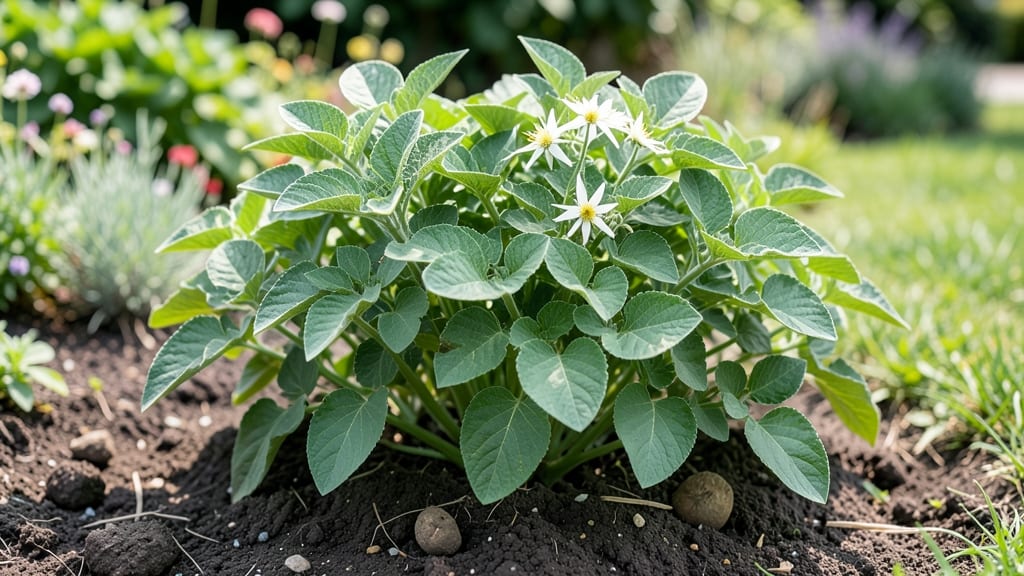
Pruning your wild potato bush (Solanum jasminoides) isn’t just about tidying up—it’s the secret to year-round lushness and those showstopping purple blooms. 💜 I’ve learned the hard way that skipping pruning means leggy vines and fewer flowers, but three strategic cuts transform this bush from scraggly to stunning in just a few minutes.
The magic happens in early spring, midsummer, and late fall, each cut serving a purpose: spring clears out winter growth, summer encourages blooms, and fall preps for next year’s vigor. You’ll end up with a bush that stays compact, flowers nonstop, and even produces edible tubers if you let it.
What’s wild is how fast it responds—new growth appears within 10 days of a good prune, and the foliage stays dense enough to hide those unsightly tubers if you’re growing it for both beauty and harvest. The scent of jasmine-like flowers in summer? Unbeatable.
Works for containers, borders, or trellises—just match your pruning to the bush’s growth habits, and you’ll have a plant that outperforms store-bought annuals every season.
📚 In This Guide
- What you need
- Instructions
- Tips and common mistakes
- Wrapping up and next steps
What you need
- ● Pruning shears: Sharp, bypass-style shears (4–6-inch blades) for clean cuts. Quantity: 1 pair.
- ● Loppers: Heavy-duty (8–10-inch blades) for thicker stems. Quantity: 1 pair.
- ● Gloves: Thick, cut-resistant gloves (gardening or pruning-specific). Quantity: 1 pair.
- ● Disinfectant: 70% isopropyl alcohol or hydrogen peroxide (3%) to sterilize tools.
- ○ Pruning sealant: Optional but helpful (e.g., tree wound paint) for large cuts.
- ● Hand pruners: Compact shears for precision trimming (e.g., Felco F-2).
- ● Extension pole: For high-reaching branches (10–12 ft).
- ● Compost bag: For clippings (or a wheelbarrow for disposal).
- ● Notebook: To track pruning dates and plant responses.
- ● Knowledge of your wild potato bush’s growth cycle (spring, summer, fall cuts).
- ● Clear weather (avoid pruning in wet or frosty conditions).
- ● Safety gear: Long sleeves/pants to protect from thorns or sap.
Step-by-Step wild potato bush pruning for year-round health
Here's how I keep my wild potato bushes thriving—no guesswork, just three strategic cuts that work in every season.
✂️ Step 1: Early Spring Cleanup Cut (Late February)
Start by removing all dead or damaged stems from last season. I grab my pruners and snip just above a leaf node where new growth will emerge. This prevents disease from spreading and lets sunlight reach the center of the bush. You'll see fresh green buds within a week—that's your sign you're on the right track.
Don't cut back into old wood—wild potato bushes regenerate from the base. If you see any stems that look mushy or blackened, cut them out completely. I always wear gloves for this step because the stems can be prickly, and the sap isn't exactly pleasant to handle.
✂️ Step 2: Mid-Summer Growth Control Cut (July)
When you notice the bush getting too leggy or crowded, it's time for the second cut. I look for stems that are growing toward the center or crossing other branches. Cut these back to an outward-facing leaf node to encourage bushier growth. This step prevents overcrowding and improves airflow, which keeps pests away.
I never cut more than a third of the plant at once—wild potato bushes are tough but not invincible. After pruning, I give the bush a light watering to help it recover. You'll see new side shoots emerge within 10-14 days, filling in any gaps you created.
✂️ Step 3: Late Fall Preparation Cut (November)
As temperatures drop, it's time for the final cut of the year. I remove all but the strongest stems, cutting them back by half. This helps the plant focus its energy on root development over winter. I also clean up any fallen leaves or debris from around the base—this prevents fungal diseases from taking hold during the damp winter months.
Don't worry about cutting too much—wild potato bushes are resilient. The key is to leave some foliage to protect the crown from freezing temperatures. I always mulch heavily after this cut, using about 2-3 inches of organic material like straw or shredded leaves to insulate the roots.
🌱 Step 4: Optional Winter Pruning (February)
If your winters are particularly harsh, you might need one extra cut in late winter. I check my bushes in February and remove any stems that have died back completely. These will be the ones that look brown and brittle all the way to the ground. Cut them out at the base and compost them—never leave dead material in the garden.
This final step ensures your wild potato bush starts the growing season fresh and strong. You'll see new shoots emerging from the base within a few weeks, ready for another year of vigorous growth. The key is consistency—stick to these three main cuts, and your bush will reward you with lush foliage and plenty of harvestable tubers.
Tips & tricks for perfect wild potato bush pruning
Keeping your wild potato bush healthy through seasonal changes takes a few key tricks—here's what I've learned from years of hands-on pruning.
Leaf Node Precision: When pruning in Step 1 or Step 2, always cut just above a leaf node where new growth emerges. I learned this the hard way—cutting too far above can leave ugly stubs and encourage disease. Use a sharp pair of pruners and make clean cuts at a 45-degree angle to prevent water from pooling at the cut site, which can lead to rot.
Seasonal Timing Secret: The three main cuts (late February, July, and November) are non-negotiable for wild potato bushes. In Step 1, you'll see fresh green buds appear within a week of pruning—this is your confirmation you're doing it right. For Step 2, the 10-14 day window for new side shoots to emerge gives you a clear sign the bush is recovering well. Don't rush these timelines; the plant needs this recovery period to thrive.
Mulching Matters: After your November pruning, that 2-3 inches of organic mulch isn't just decoration—it's insulation. I use straw because it breaks down slowly and provides consistent protection. Apply it after you've removed fallen leaves and debris, creating a clean barrier between the soil and potential fungal spores. This simple step can make the difference between a bush that survives winter and one that struggles to recover.
Pro Tips for Wild Potato Bush
- Keeping your wild potato bush healthy through seasonal changes takes a few key tricks—here's what I've learned from years of hands-on pruning.
- Leaf Node Precision: When pruning in Step 1 or Step 2, always cut just above a leaf node where new growth emerges.
- Seasonal Timing Secret: The three main cuts (late February, July, and November) are non-negotiable for wild potato bushes.
Frequently asked questions
Got questions about pruning your wild potato bush? You’re not alone!
Whether you're a seasoned gardener or just starting out, these FAQs will help you keep your plant thriving year-round. Let’s dive in!
When is the best time to prune a wild potato bush?
The ideal times are early spring (before new growth), mid-summer (after harvest), and late fall (to clean up and prepare for winter). Pruning in these windows promotes healthy regrowth, maximizes tuber production, and prevents disease. Avoid heavy pruning in winter unless necessary—your plant needs energy to survive cold snaps!
How much can I trim back without harming the plant?
You can safely remove up to one-third of the foliage at a time—this encourages bushier growth and better tuber development. For wild potato bushes, focus on dead, diseased, or overcrowded stems first. If you’re pruning for harvest, leave enough leaves to photosynthesize (about 6–8 inches per stem) to keep the plant fed.
What should I do if my wild potato bush looks sad after pruning?
Don’t panic! Yellowing leaves or wilting can happen, but it’s often a sign of adjustment, not damage. Water deeply after pruning and avoid fertilizing for 2–3 weeks to let the plant recover. If issues persist, check for pests (like aphids) or fungal spots—treat with neem oil or copper spray if needed.
Can I prune wild potato bushes the same way as regular potatoes?
Not exactly! While both are in the Solanum family, wild potato bushes (like Solanum jamesii) are perennial and more hardy. They thrive with lighter, more strategic pruning than annual potatoes. Avoid cutting back too aggressively—wild varieties often regrow from the base, so focus on shaping and thinning rather than drastic cuts.
Are there eco-friendly alternatives to pruning shears for wild potato bushes?
For small jobs, try clean, sharp garden scissors or even a serrated knife. For larger bushes, a bypass pruner (with sterilized blades) works well. If you’re going zero-waste, deadheading by hand (pinching off spent blooms) can reduce the need for tools—just wear gloves to avoid prickly stems!
Wrapping up and next steps
Mastering the art of wild potato bush pruning is your ticket to a lush, thriving garden all year round! 🌱 By focusing on those three key cuts—early spring, mid-summer, and late fall—you’ll encourage robust growth, boost yields, and keep pests at bay.
Remember, consistency is key, but don’t stress over perfection; even small adjustments make a big difference.
Ready to take the next step? Grab your pruners and schedule your first trim—your wild potato bush will thank you with vibrant foliage and bountiful harvests! 🌟 Happy pruning!