
Flowers
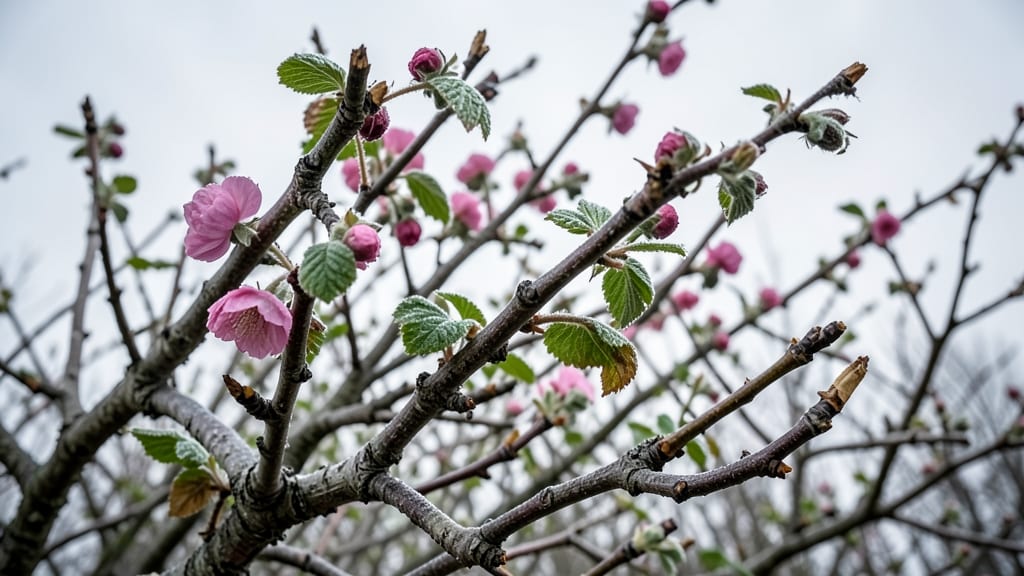
Wild raspberry bushes produce stunning flowers *and* delicious berries—but only with the right care. Discover pruning secrets to maximize blooms, extend the flowering season, and harvest more berries than ever before, even in wild or semi-wild plantings.
Early Spring Flower Pruning for Maximum Blooms
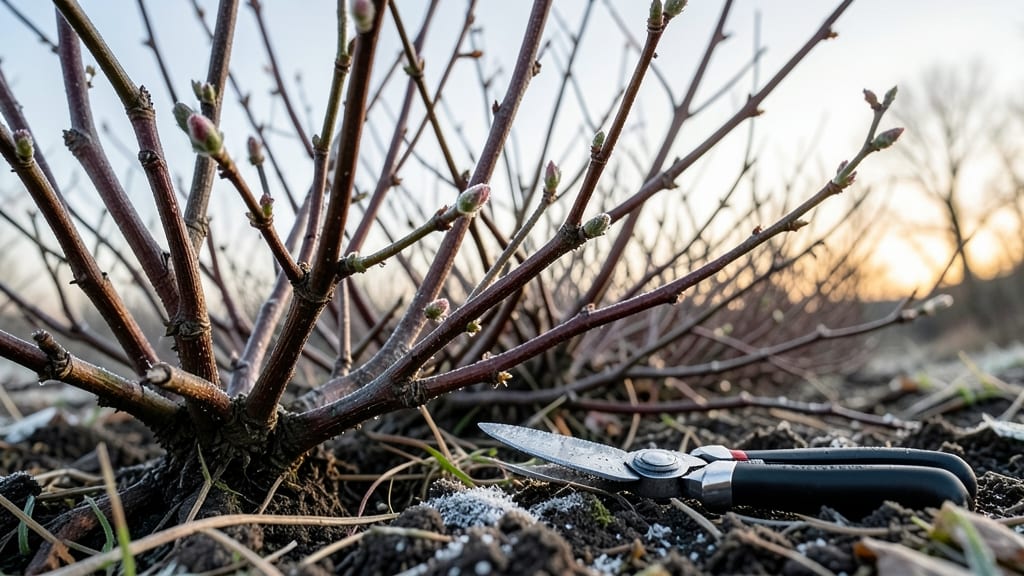
If your wild raspberry bushes struggle to bloom before late spring, dormant-season pruning is your secret weapon. This early cut—done before buds swell—triggers vigorous new growth and earlier, more abundant flowers, especially in climates with short growing seasons or late frosts.
Start pruning in late winter or very early spring (just as buds begin to swell) by removing last year’s fruiting canes—they’re the thick, woody stems that bore berries the previous season. Leave the thinner, green canes (this year’s growth) to produce flowers and fruit. For wild raspberries, you can be slightly less precise, but focus on thinning crowded areas to improve air circulation. This method works best for summer-bearing varieties and ensures your bushes burst into pink blooms weeks ahead of schedule.
Gardeners in Zone 4 or colder will love this technique, as it helps compensate for the shorter growing season. The key is timing—prune too early, and you risk frost damage; too late, and you delay flowering. With just a few cuts, you’ll transform a sparse bush into a flowering powerhouse. ✨
Summer Deadheading Technique for Extended Flowering
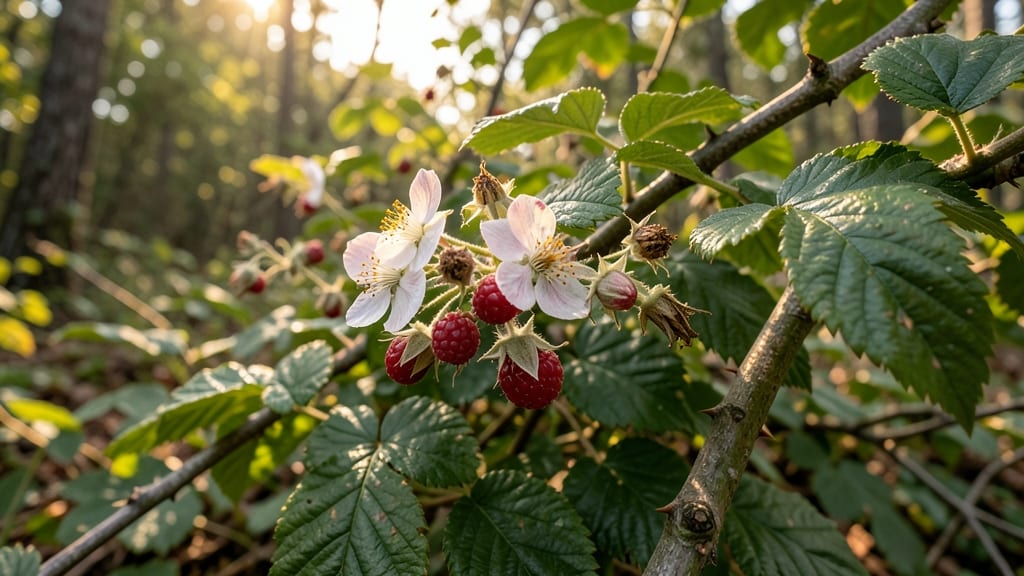
Want to enjoy both vibrant raspberry flowers and a bountiful berry harvest? The key lies in a simple summer deadheading technique that keeps your wild raspberry bush producing flowers and fruit simultaneously.
Start by identifying spent flowers—those that have faded or developed into small berries. Using clean pruning shears, snip just above a leaf bud or lateral branch where the flower stem meets the cane. This redirects the plant's energy toward new growth and future blooms. Avoid cutting into the main cane itself, as this preserves the structure needed for berry production. Repeat every 2-3 weeks throughout the summer to maintain continuous flowering.
This method is ideal for gardeners who love the beauty of raspberry blossoms but also want to harvest fruit. By removing only the spent flowers—rather than entire branches—you encourage the bush to produce more flowers and berries, extending the flowering season well into fall. 🌻
Fall Canes Pruning for Next Year's Berries
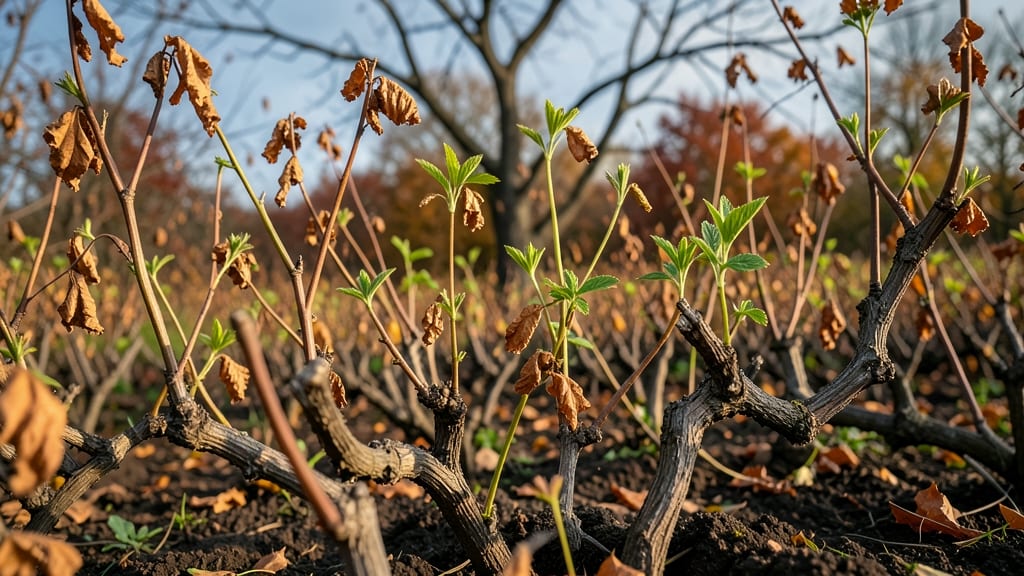
Autumn is the perfect time to set your wild raspberry bushes up for a bountiful harvest next season—not by pruning flowers, but by focusing on the canes themselves. This often-overlooked step removes last year’s spent growth, allowing sunlight and nutrients to fuel new, vigorous canes that produce more berries and flowers.
Start by identifying old canes—they’re the thick, brown, woody stems that no longer bear fruit. Use sharp pruners to cut them back to the ground, leaving only the thin, green canes that emerged this spring. These younger canes will bear next year’s berries, so give them space to thrive. Aim to remove about one-third of the canes to maintain balance, and dispose of the cuttings to prevent disease.
This method is especially valuable for wild raspberry bushes, which can become overgrown and less productive without regular maintenance. By dedicating just 30 minutes in fall, you’ll ensure a healthier, more fruitful plant next summer. 🌱
Winter Dormant Pruning for Wild Raspberry Revitalization
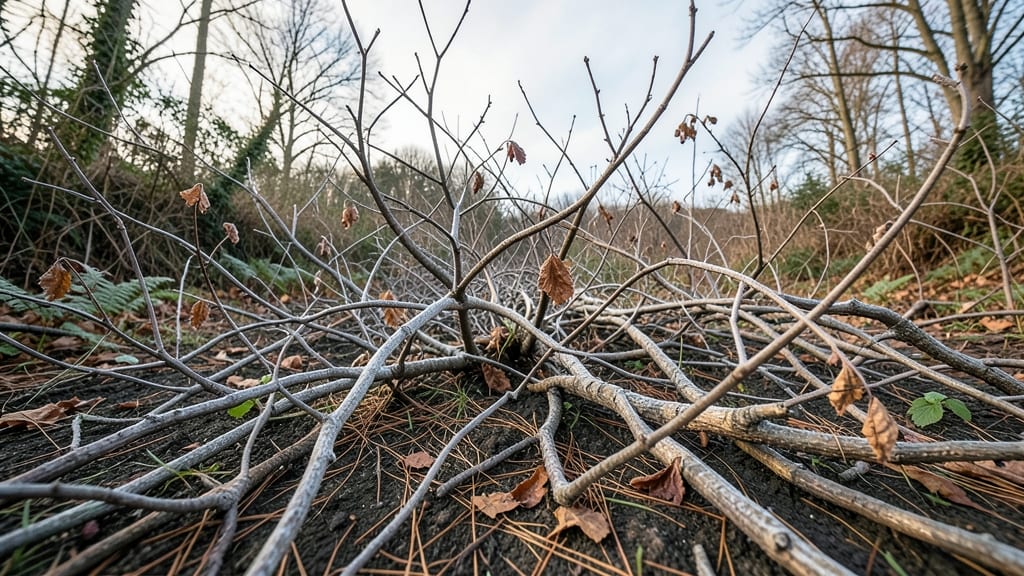
When your wild raspberry patch looks like a tangled mess of old canes and sparse growth, winter dormant pruning is your secret weapon. This aggressive approach isn’t just for tidying up—it’s a way to completely revitalize overgrown bushes, especially in forest edges or neglected garden corners where they’ve spread unchecked.
Start by cutting back all canes to the ground, even the ones that look healthy. Wild raspberries thrive on new growth, and this radical pruning forces the plant to focus energy on producing fresh, vigorous canes in spring. Use clean, sharp pruners to avoid damaging the crown, and remove any dead or diseased wood you spot. For truly wild patches, you can even prune down to 6-12 inches from the base if the canes are extremely thick or woody.
This method is perfect for gardeners dealing with neglected patches or those who want to reclaim wild raspberries growing along property lines. The result? A bush that bursts back with stronger canes, more flowers, and a heavier berry crop the following year. 💪
Selective Flower Removal for Larger Berries
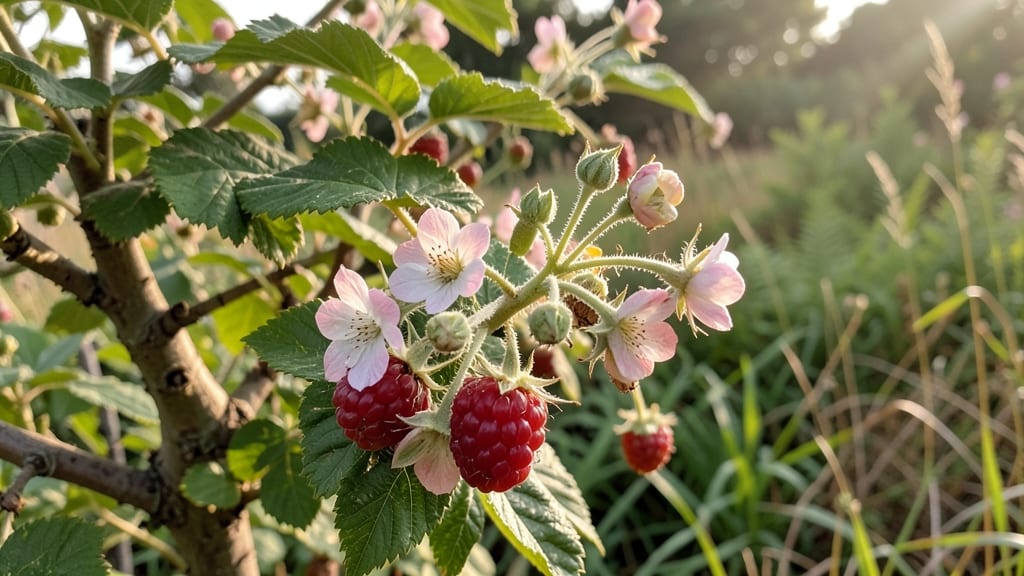
If you’ve ever picked raspberries only to find them small and tart, selective flower removal could be your secret weapon. By strategically thinning clusters of wild raspberry bush flowers, you redirect the plant’s energy toward fewer but significantly larger berries—ideal for gardeners who prioritize quality over quantity.
Start by removing the smallest flowers in each cluster, leaving only the largest, healthiest blooms. Focus on clusters with 10-15 flowers or more, thinning them down to about half. This technique works best during the early flowering stage (late spring to early summer) when berries are still small. The result? Juicier, sweeter, and more flavorful berries that stand out in pies, jams, or fresh snacks.
This method is especially valuable for gardeners with limited space or those who want to maximize harvest from a single bush. Try it this season and enjoy berries that taste like they grew in a gourmet garden! 🌻
Pruning for Wild Raspberry Bush Flowers in Containers
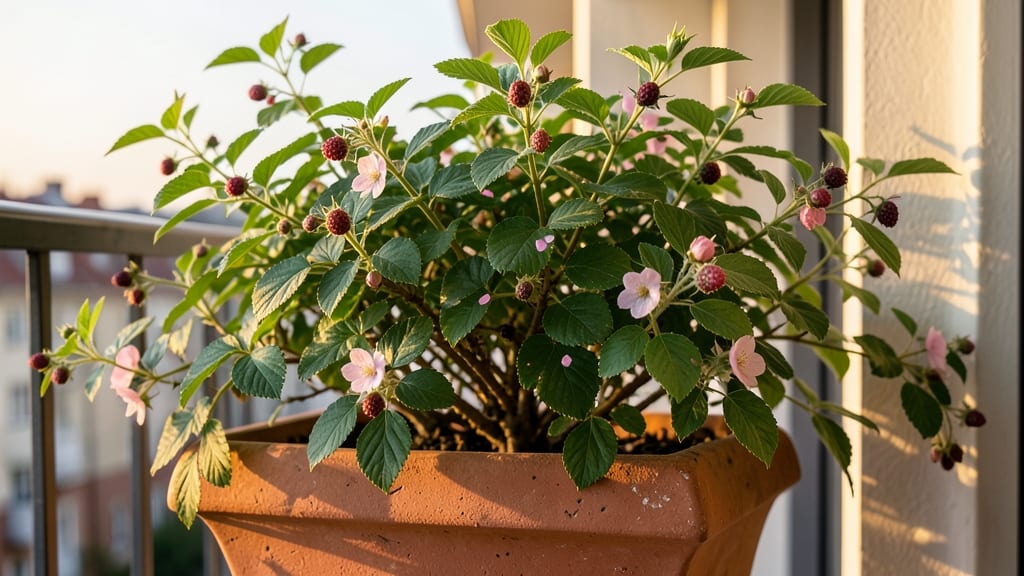
Transform your balcony or tiny patio into a wild raspberry bush paradise with container-specific pruning techniques! Growing raspberries in pots means adapting traditional methods to prevent overcrowding and ensure airflow—critical for both flower production and berry health in confined spaces.
Start by choosing a large, sturdy container (at least 18 inches deep) with drainage holes, and opt for summer-bearing varieties like 'Heritage' or 'Boyne' that thrive in pots. Prune in early spring by removing last year’s fruiting canes (thick, woody stems) and thinning crowded canes to 3–4 per pot. During summer, deadhead spent flowers to encourage more blooms, but leave some berries to ripen. In fall, trim back any leggy growth to maintain the bush’s compact shape—this keeps it manageable and prevents root-bound stress.
Urban gardeners and balcony growers will love this approach, as it maximizes space while delivering abundant flowers and fruit without sacrificing aesthetics. With the right pruning, your container raspberries can become a year-round showstopper! 🌿
Encouraging Second Flowering Cycle with Pruning
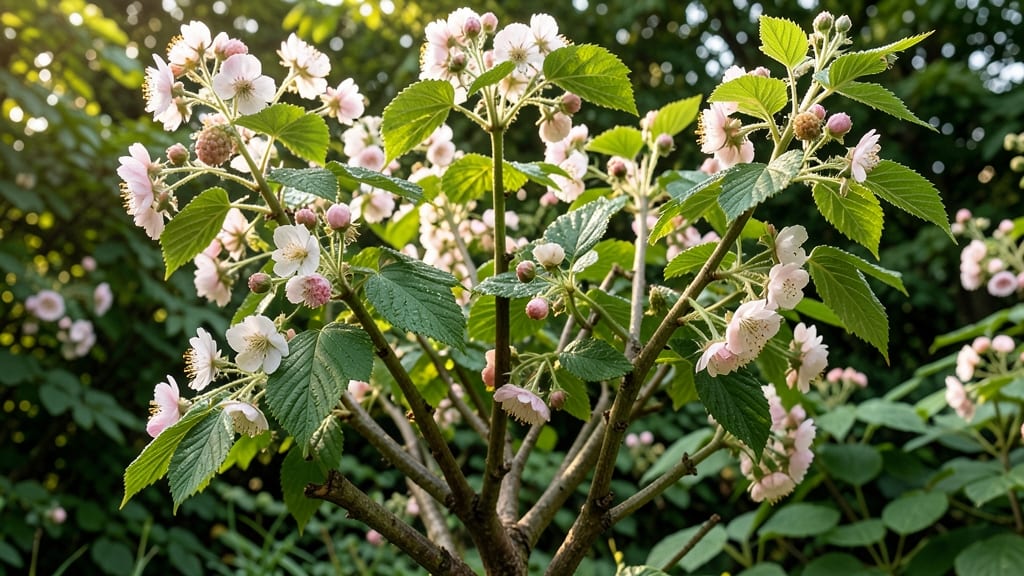
Love the sight of wild raspberry bush flowers but wish your bushes would bloom twice in one season? A simple pruning trick can transform your single summer flush of blooms into a second flowering cycle—and more berries to enjoy. This method works by encouraging the plant to produce new growth after the first harvest, creating a second chance for flowers and fruit.
Start by pruning your summer-bearing raspberries after the first harvest in early summer. Remove any remaining berries and spent flowers, then trim back the canes by about one-third to stimulate fresh growth. Focus on the younger, green canes (this year’s growth) and avoid cutting into last year’s fruiting canes. This shock to the plant triggers a second round of flowering, typically appearing in late summer. For fall-bearing varieties, this technique can even extend the harvest into early autumn.
This approach is perfect for gardeners who want to maximize both beauty and harvest from their wild raspberry bushes. With just a few strategic cuts, you’ll enjoy a second wave of stunning pink blooms and a longer berry-picking season. 🌟
Pruning for Disease-Resistant Raspberry Bush Flowers
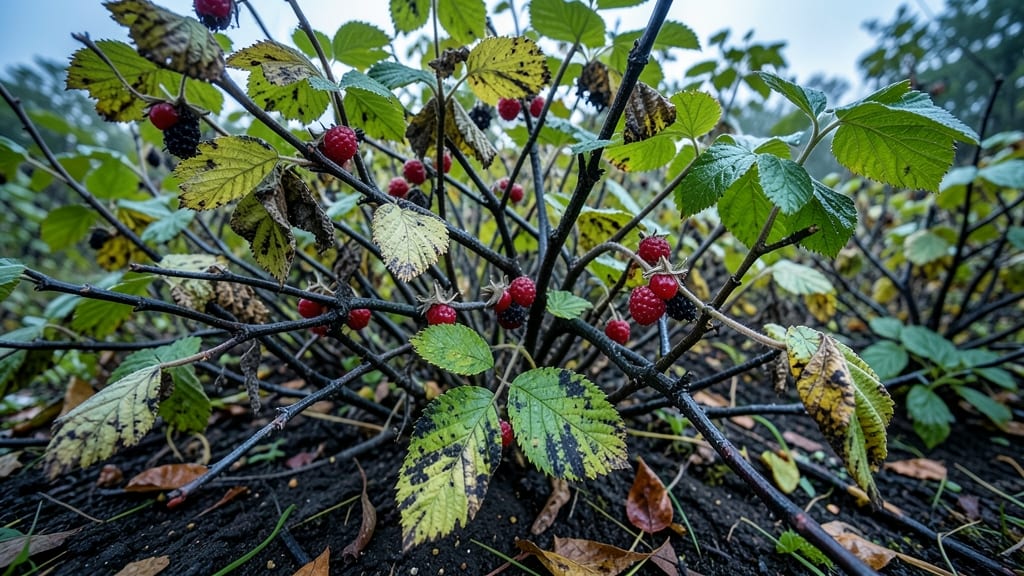
If your wild raspberry bushes struggle with moldy leaves or blackened canes in humid summers, the solution lies in strategic pruning for airflow. Unlike other pruning methods, this technique focuses on opening up the bush to prevent fungal diseases like cane blight and botrytis, which thrive in damp, crowded conditions.
Start by removing crossing or rubbing canes—these create wounds where moisture lingers. Next, thin out dense foliage by cutting back overgrown branches to expose the center of the bush to sunlight and breezes. For wild raspberries, aim to reduce canopy density by 20-30% while keeping the bush’s natural shape. Always use sterilized pruners (wipe with rubbing alcohol between cuts) to avoid spreading spores. This method works best in spring and early summer, when new growth is vigorous enough to fill gaps.
Gardeners in humid climates (like Zones 7-9) will see the biggest benefits, as improved air circulation drastically cuts down on fungal pressure. The result? Healthier canes, more abundant blooms, and fewer disease outbreaks—meaning your wild raspberries will thrive without constant chemical interventions. 💚
Wild Raspberry Bush Flowers Pruning for Pollinators
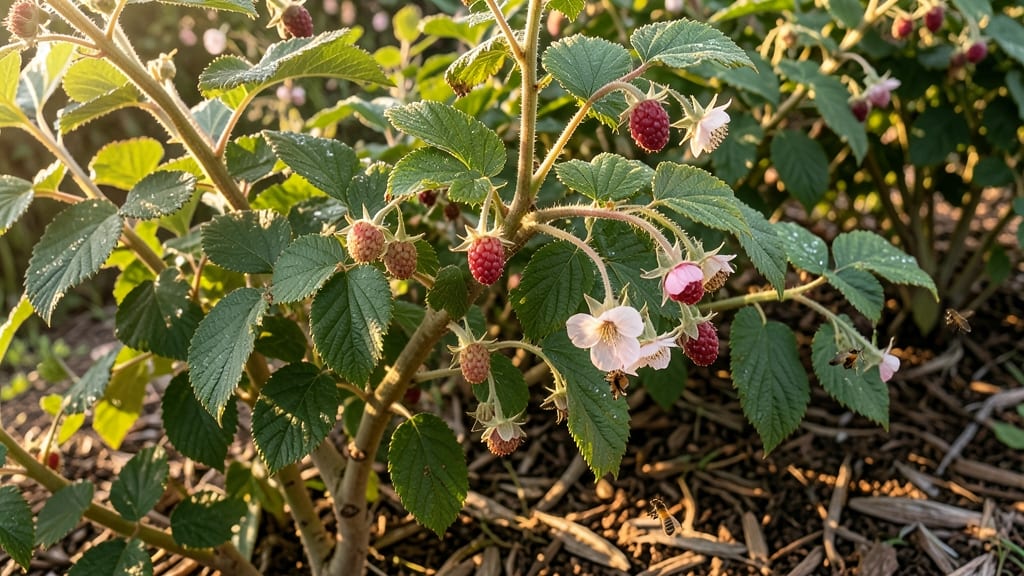
Turn your wild raspberry bush into a pollinator paradise without sacrificing berries! The key lies in selective pruning that keeps flowers accessible to bees and butterflies while maintaining healthy fruit production. Unlike aggressive pruning methods, this approach focuses on preserving flower clusters and improving canopy structure to create inviting pathways for pollinators.
Start by thinning crowded canes to open up the center of the bush, allowing sunlight to reach lower flowers and creating easy access for pollinators. Leave at least three strong, healthy canes per bush to ensure berry production while removing any that are crossing or rubbing against each other. When pruning flowers, avoid cutting back into the main cane—instead, focus on removing only the very tips of overcrowded clusters to maintain floral display while improving air circulation. This method works best in late spring to early summer when flowers first appear.
Eco-conscious gardeners will love this approach, as it transforms your raspberry patch into a year-round pollinator hotspot while still delivering a bountiful harvest. The result? More bees, butterflies, and even hummingbirds visiting your garden—all while enjoying plump, juicy berries. 🌿
Pruning for Winter-Hardy Raspberry Bush Flowers

Cold climates don’t have to mean sparse raspberry blooms—with the right winter pruning, your wild raspberry bush flowers can thrive even in freezing temperatures. The key is protecting the plant’s energy reserves while preserving next year’s flowering potential, ensuring vibrant pink blooms return year after year.
Start by pruning in late winter (just before buds swell) to remove any damaged or crossing canes, which improves air circulation and reduces frost pockets. For extra protection, wrap the base of the bush with burlap or straw mulch to shield tender buds from harsh winds and late frosts. Avoid heavy pruning—focus on shaping rather than removing large sections, as this preserves the plant’s ability to rebound quickly in spring. This method works especially well for Zone 3-5 gardeners, where winter survival is critical for consistent flowering.
This gentle approach ensures your raspberries emerge stronger in spring, with more buds developing into abundant flowers and eventually, a bountiful berry harvest. It’s the perfect strategy for gardeners who want to enjoy both beauty and fruit without sacrificing hardiness. ⚡