
Pruning
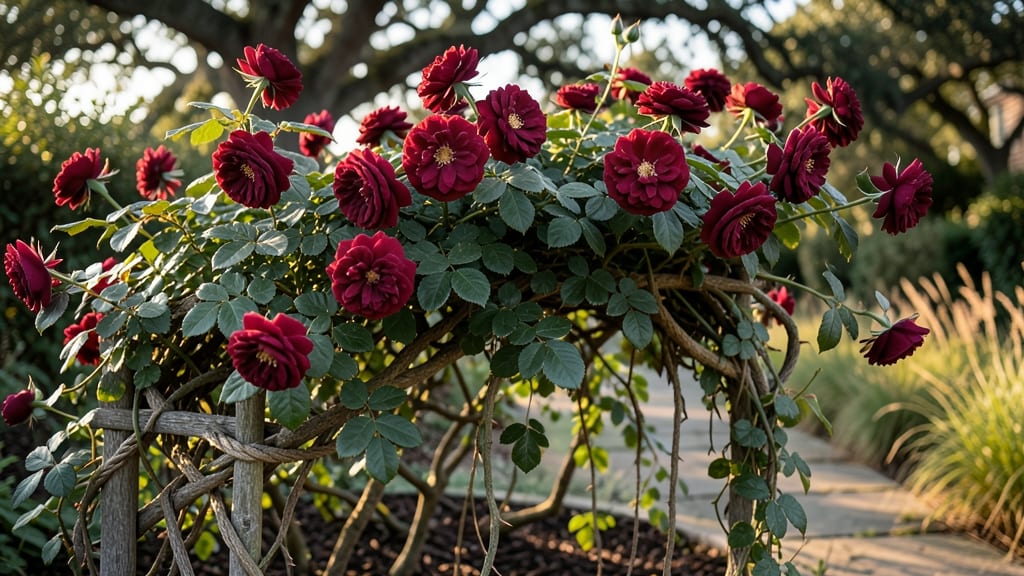
The World’s Largest Rose Bush Tombstone in Arizona is a 2,000-square-foot living memorial in Phoenix, created from a single cutting in 1937 to honor veterans. This sprawling rose garden maintains its health through precise pruning and desert-adapted irrigation, drawing thousands of visitors annually with its year-round blooms and deep historical roots.
The World’s Largest Rose Bush Tombstone in Arizona isn't just a botanical marvel—it's a testament to human ingenuity and the resilience of nature in Arizona's harsh desert climate. 🌹 What makes this monument so extraordinary is its origin: a single rose cutting planted in 1937 that's since expanded into a sprawling 2,000-square-foot tribute.
The care it receives—including seasonal pruning to maintain its massive size and specialized irrigation—ensures it continues to thrive despite the challenging environment.
Located in Veterans Memorial Park, this living memorial serves as both a floral spectacle and a place of remembrance. Visitors often marvel at how something so delicate can become so monumental through consistent care and attention to detail.
The rose's ability to bloom year-round in Phoenix's climate makes it a unique attraction that combines natural beauty with historical significance.
💡 In This Article
- How the World’s Largest Rose Bush Was Cultivated and Maintained
- Visiting the World’s Largest Rose Bush: Tips and Nearby Attractions
How the world’s largest rose bush was cultivated and maintained
This monumental rose bush began as a single cutting of the ‘Dr. Huey’ rose variety—a hybrid tea rose known for its hardiness and disease resistance.
The cutting was planted in 1937 by the Phoenix Rose Society on a 20-foot-square base, but its growth was carefully controlled through a technique called layering, where new stems were bent and buried to encourage root development.
Over time, the bush expanded through grafting—a method where new canes were attached to the existing rootstock, creating a dense, interconnected network of stems. 🌱
The bush now covers 2,000 square feet, thanks to its extensive root system that spreads up to 15 feet deep into the desert soil. Arizona’s climate—with hot days (100°F+) and cool nights (50°F)—actually benefits the rose by reducing fungal diseases common in humid regions.
The desert’s low humidity and high mineral content in the soil also strengthen the plant’s natural defenses. To maintain its size, seasonal pruning occurs every 3-4 months, removing 30-40% of the foliage to encourage new growth and prevent overcrowding.
Irrigation is another critical factor. Unlike traditional roses, this monument receives drip irrigation with recycled water—a necessity in Phoenix’s water-scarce environment. The system delivers 1-2 gallons per hour directly to the roots, avoiding wasteful evaporation. Mulching with gravel and organic compost helps retain moisture while regulating soil temperature.
The combination of pruning, irrigation, and soil management ensures the rose remains vibrant despite the desert’s challenges. 💧
Disease resistance is a key reason this rose thrives. The ‘Dr. Huey’ variety is naturally resistant to black spot and powdery mildew, two common rose diseases. The alkaline soil (pH 7.5-8.5) in Phoenix also inhibits harmful pathogens.
However, aphids and spider mites still pose occasional threats, requiring neem oil treatments applied 2-3 times per year. The rose’s ability to bloom year-round—including spring (March-May), summer (July-August), and fall (September-November)—is a testament to its adaptability and the care it receives.
What’s fascinating is how the rose’s canopy structure evolved. The bush now has hundreds of canes, some reaching 12 feet tall, supported by a metal trellis system installed in the 1980s to prevent collapse. The trellis also creates shade, reducing water loss during peak summer heat.
Without this support, the sheer weight of the blooms and foliage could have caused structural damage over time. The trellis’s design allows for easy pruning access while maintaining the bush’s natural aesthetic.
Visitors often ask how the rose’s color consistency is maintained. The ‘Dr. Huey’ variety naturally produces deep pink blooms, but the gardeners use organic fertilizers—like fish emulsion and bone meal—to enhance color vibrancy.
The lack of chemical pesticides ensures the blooms retain their natural fragrance, a trait that surprises many who expect roses to be scentless in desert climates. The result? A 2,000-square-foot sea of pink that dominates the skyline, visible from airplanes approaching Phoenix Sky Harbor Airport. 🌹