
Aphids
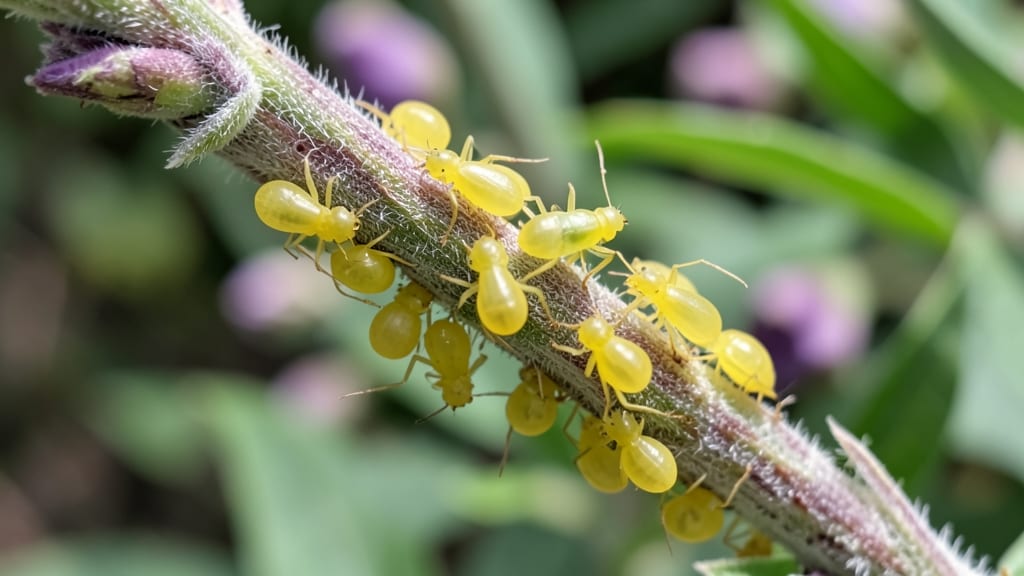
Yellow aphids on butterfly bush turn your fragrant blooms into sticky messes faster than you'd think. 🌿 I’ve battled these sap-sucking pests on my Buddleia for years, and this simple soap-and-water spray is the only remedy I trust—no harsh chemicals, just results.
The problem starts small: tiny yellow aphids clustering on new growth, leaving behind a shiny residue that attracts ants. Left unchecked, they weaken the plant, stunt flowers, and even attract sooty mold. But the good news?
A homemade spray made from 1 tablespoon mild soap per quart of water disrupts their life cycle without harming butterflies or bees. You’ll see improvement within 24 hours—aphids drop off, and new growth stays clean. The key is reapplying every 5-7 days until the infestation disappears.
For severe cases, add a few drops of neem oil for extra punch. This method works for all butterfly bushes, whether you’re growing them for their fragrance, pollinators, or drought tolerance. Let’s get your plants back to thriving!
Root Causes Of Butterfly Bush Infestations
When you spot tiny yellow aphids clustering on your butterfly bush, it’s rarely a random event—these pests are drawn to specific conditions that make your plant an all-you-can-eat buffet. Understanding the why behind their arrival helps you tackle the problem at its source.
Below, we break down the most common triggers, backed by science, so you can outsmart these sap-sucking invaders.
Butterfly bushes (Buddleia spp.) are hardy, but when they’re overpruned, root-bound, or nutrient-deficient, their weakened state triggers a chemical distress signal—volatile organic compounds (VOCs)—that aphids detect from up to 10 feet away. Think of it like a neon "Help! I’m vulnerable!" sign.
Why it happens:
- Poor air circulation: Dense foliage traps humidity, creating a cozy microclimate aphids love (they thrive in 60–80°F with high moisture).
- Nitrogen imbalance: Too much nitrogen (common in over-fertilized soil) produces lush but weak growth—aphids adore tender, fast-growing shoots.
- Root stress: Compacted soil or shallow roots limit water/nutrient uptake, forcing the plant to divert energy to survival instead of defenses like triterpenoid saponins (natural aphid repellents).
💡 Pro Tip: Prune butterfly bushes after flowering (late summer/fall) to avoid shocking the plant. If repotting, choose containers 20% larger than the root ball to reduce stress.
Aphids aren’t picky—they’re opportunistic. If your butterfly bush already has honeydew (their sugary waste), it’s a magnet for more aphids and ants, which protect aphids like bodyguards in exchange for honeydew snacks. This creates a vicious cycle:
1. Aphids arrive → 2. They feed → 3. Honeydew drips → 4. Ants recruit more aphids → 5. Infestation explodes.
Why it happens:
- Ant highways: Ants "farm" aphids by stroking them with their antennae to trigger more honeydew production. Some species even move aphid colonies to new plants!
- Sooty mold magnet: Honeydew attracts Capnodium fungus, which coats leaves in black mold—blocking sunlight and further stressing the plant.
- Secondary infestations: Wasps and ladybugs (aphid predators) avoid plants with heavy ant traffic, leaving aphids unchecked.
🔥 Action Step: Disrupt the ant-aphid alliance by applying borax bait stations (1 part borax to 3 parts sugar + water) near the base of the plant. For immediate relief, spray aphids with a soapy water mix (see our remedy guide) to break the cycle.
Not all butterfly bushes are equally appealing to aphids. These pests target plants with:
- High sap pressure: Young, fast-growing shoots are aphid favorites because they’re easy to pierce and packed with nutrients.
- Light-colored leaves: Studies show aphids prefer yellow-green or pale foliage because it reflects less UV light, making them harder for predators (like lacewings) to spot.
- Specific chemical profiles: Some Buddleia cultivars produce less triterpenoids (natural aphid deterrents), making them prime targets.
Why it happens:
| Plant Factor | Aphid Response | Scientific Reason |
|---|---|---|
| New growth | ↑ Aphid colonization | Aphids prefer phloem sap with high sucrose levels—common in tender, new shoots. |
| Shade exposure | ↑ Vulnerability | Low light reduces phenolic compounds (bitter defenses) in leaves. |
| Overhead watering | ↑ Honeydew production | Wet foliage dilutes leaf defenses and creates ideal aphid humidity. |
🌡️ Prevention Hack: Grow marigolds or garlic nearby—these release allicin and limonene, compounds that repel aphids. For existing infestations, prune infested stems back to healthy growth (sterilize shears with rubbing alcohol to avoid spreading pests).
By addressing these root causes, you’re not just treating the aphids—you’re making your butterfly bush less appealing to future visitors. Next, we’ll cover how to turn soap and water into a powerful, natural defense.
Quick Fixes for Butterfly Bush Pests
Yellow aphids on your butterfly bush aren’t just an eyesore—they can weaken your plant by sucking out sap and spreading diseases. But don’t stress! With the right approach, you can tackle these pests naturally and keep your butterfly bush thriving.
Below are practical, step-by-step solutions tailored to the root causes of aphid infestations, plus prevention tips to avoid future outbreaks.
If your butterfly bush is covered in yellow aphids, act quickly to prevent further damage.
🍳 Manual Removal: The Gentle Approach
- Rinse Off Aphids 💦
- Fill a spray bottle with water and a drop of mild dish soap (1 tsp per quart of water).
- Gently spray the undersides of leaves (where aphids love to hide) and stems.
- Repeat every 2–3 days until aphids disappear.
- Prune Infested Branches ✂️
- Use sterilized pruners to cut off heavily infested stems.
- Dispose of clippings in a sealed trash bag (not compost) to prevent reinfestation.
- Blast Them Away 🌬️
- Use a strong stream of water from a hose to knock aphids off leaves.
- Best done early in the morning when aphids are sluggish.
✨ Pro Tip: If aphids return within a week, your plant may be stressed—check for overwatering, poor drainage, or nutrient deficiencies (fix these first!).
If manual methods aren’t enough, try these homemade sprays that disrupt aphid life cycles.
🥘 Homemade Soap Spray (Best for Small to Medium Infestations)
Ingredients:
- 1 tbsp mild liquid castile soap (or insecticidal soap)
- 1 quart lukewarm water
- 1 tsp neem oil (optional, for extra pest control)
How to Use:
- Mix ingredients in a spray bottle and shake well.
- Spray directly on aphids (focus on undersides of leaves).
- Apply every 5–7 days until aphids are gone.
- Avoid spraying in direct sunlight (can burn leaves).
⚠️ Warning: Test on a small leaf first—some butterfly bushes are sensitive to soap.
🔪 Neem Oil Spray (For Severe or Repeated Infestations)
Neem oil disrupts aphid feeding and reproduction, making it great for stubborn cases.
Ingredients:
- 1 tbsp neem oil
- 1 tsp honey or dish soap (helps oil stick to leaves)
- 1 quart water
How to Use:
- Mix and spray evenly on all plant surfaces, including stems.
- Apply every 7–10 days for 2–3 weeks.
- Best used in the evening to avoid leaf burn.
💡 Pro Tip: Neem oil also prevents future infestations—use it as a preventive spray every 2–3 weeks during growing season.
The best way to deal with yellow aphids? Stop them before they start!
🎯 Strengthen Your Butterfly Bush
- Water Deeply but Less Often 💧 – Overwatering attracts aphids.
Let soil dry slightly between waterings. - Fertilize Right 🌱 – Use a balanced, slow-release fertilizer (too much nitrogen = softer leaves = aphid buffet). - Prune for Airflow 🌿 – Thin out crowded branches to reduce hiding spots for pests.
🛡️ Encourage Natural Predators
Aphids have natural enemies—bring them to your garden!
- Ladybugs 🐞 – Release them or plant dill, fennel, or marigolds to attract them.
- Lacewings 🕷️ – Their larvae devour aphids.
Plant cosmos or sweet alyssum to lure them. - Parasitic Wasps 🐝 – They lay eggs in aphids, killing them naturally.
🚫 Avoid Common Mistakes
- Don’t use chemical pesticides (they kill beneficial insects too).
- Avoid over-fertilizing (aphids love weak, nutrient-rich plants).
- Inspect new plants before bringing them home (aphids can hitch a ride!).
Final Thought: Yellow aphids on butterfly bush may seem like a lost cause, but with consistent care and natural methods, your plant can bounce back stronger. Start with manual removal and soap sprays, then shift to prevention to keep your butterfly bush aphid-free for good! 🌸
Frequently asked questions
Why are my butterfly bush leaves turning sticky after yellow aphids appear?
Aphids excrete honeydew, a sugary waste that coats leaves and attracts ants. This sticky residue can lead to sooty mold (black fungus) if left untreated. Wipe leaves with a damp cloth or apply a soap spray to break the cycle.
Will neem oil harm beneficial insects like bees or ladybugs?
Neem oil is least toxic when applied in the evening (avoids pollinators). Always spray after flowers close and avoid direct contact with blooms. For extra safety, use it every 7–10 days instead of daily.
Can I use vinegar spray for yellow aphids on butterfly bush?
Vinegar is too harsh for butterfly bushes—it can burn leaves and disrupt soil pH. Stick to mild soap (1 tbsp/quart water) or neem oil for safe, effective control. Test any homemade remedy on a small leaf first!
How do I know if my butterfly bush is stressed enough to attract aphids?
Check for these signs: yellowing leaves, stunted growth, or overly soft new shoots. Overwatering, poor drainage, or too much nitrogen fertilizer are common triggers. Prune for airflow and use a balanced fertilizer to strengthen defenses.
Are yellow aphids different from green aphids on butterfly bush?
Yellow aphids are simply a color variant of the same species—both suck sap and produce honeydew. The color change often happens when they molt or feed on stressed plants. Treat both types the same way with soap sprays or neem oil.