
Fertilization
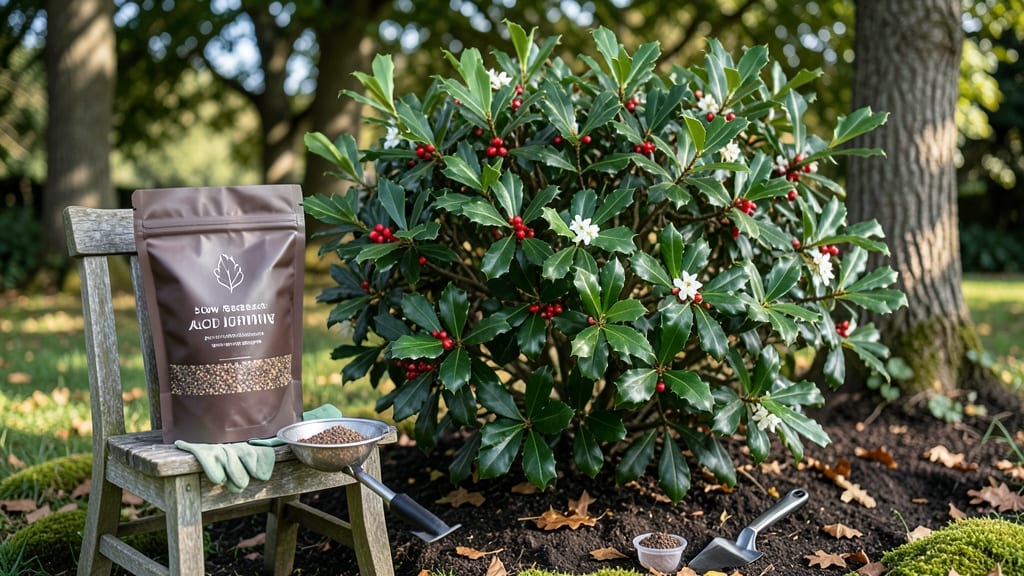
The best fertilizer for holly bushes nearby 🌿 is one that mimics the acidic, nutrient-rich soil they crave—think local compost, fish emulsion, or a slow-release organic blend.
If your holly bushes are struggling with sparse growth or yellowing leaves, it might be time to reassess what you're feeding them. Local soil often lacks the acidity and nutrients holly bushes thrive on, and synthetic fertilizers can disrupt the natural balance.
In this guide, I’ll walk you through the top organic options available nearby, how to apply them seasonally, and even DIY recipes using materials you can find at local farms or garden centers.
You’ll learn how to avoid over-fertilizing, spot signs of nutrient deficiency, and keep your holly bushes lush year after year—without breaking the bank or harming the environment.

Top 5 local organic fertilizers for holly bushes nearby
Your holly bushes deserve the best nutrients to thrive, especially in local soil that often lacks essential minerals. Organic fertilizers not only boost growth but also improve soil health naturally.
As someone who’s nurtured holly bushes for years, I’ve found these top 5 local options work wonders without breaking the bank or harming the environment.
Holly bushes prefer acidic soil with a pH between 4.5 and 5.5, so choosing the right organic fertilizer is key. Whether you’re sourcing from local garden centers, farmers' markets, or even your backyard compost pile, these options will give your holly bushes the nutrient boost they crave.
Let’s dive into the best choices and how to use them effectively.
Here’s a quick comparison to help you decide which fertilizer aligns best with your gardening goals and local availability:
First up is compost, the ultimate soil amendment for holly bushes. It improves soil structure, retains moisture, and provides a steady supply of nutrients. You can often find high-quality compost at local garden centers or even create your own from kitchen scraps and yard waste.
Spread a 2-3 inch layer around the base of your holly bushes in early spring to give them a nutrient-rich start.
Fish emulsion is another fantastic choice, especially if your holly bushes need a quick boost of nitrogen for lush green foliage. This liquid fertilizer is easy to apply—just mix 1 tablespoon per gallon of water and spray it around the base. It’s widely available at garden supply stores and even some grocery stores with gardening sections. Use it every 4-6 weeks during the growing season for best results.
For root development and flowering, bone meal is a powerhouse. It’s high in phosphorus, which encourages strong root systems and vibrant berries. Sprinkle 1/2 cup around each holly bush in early spring or fall, then lightly water it in.
You can find bone meal at local nurseries or feed stores, making it an accessible option for most gardeners.
If you’re looking for a gentle yet effective fertilizer, worm castings are a game-changer. These nutrient-rich droppings from earthworms provide a balanced blend of nutrients and beneficial microbes. Mix 1 cup of worm castings into the soil around your holly bushes or use them as a top dressing.
They’re often sold at garden shops or even by local vermicomposting setups.
Lastly, seaweed extract is perfect for adding potassium and trace minerals to your holly bushes. It helps them resist stress and stay vibrant, especially in hot or dry conditions.
Dilute 1 tablespoon per gallon of water and apply it as a foliar spray or soil drench. Coastal garden centers often carry seaweed extract, and it’s also available online.
When applying any of these fertilizers, always follow the recommended rates to avoid over-fertilizing, which can harm your holly bushes. Water thoroughly after application to help nutrients penetrate the soil. With these local organic options, your holly bushes will thrive without the need for synthetic chemicals.
Ready to give your holly bushes the care they deserve? Start with one of these fertilizers this spring and watch them flourish! 🌿
How to apply fertilizer for holly bushes: seasonal timing and techniques
Holly bushes thrive with the right fertilizer applied at the right time—especially in local climates where soil may lack essential nutrients. As someone who’s watched holly bushes transform from sparse to lush with proper care, I’ve learned timing is everything.
Fertilizing too early or too late can stress your plants, while the right approach in spring and early summer ensures vibrant growth without runoff waste.
Before diving into application, test your soil’s pH—holly bushes prefer acidic soil (5.0–6.0). If your local soil is alkaline, amend it with peat moss or sulfur before fertilizing. I always start with a balanced organic fertilizer like a 10-10-10 mix, but slow-release options work best to avoid overfeeding.
Let’s break down the steps to get your holly bushes flourishing.
Loosen the top 6 inches of soil around your holly bush with a garden fork. Mix in 2–3 inches of compost or aged manure to improve drainage and nutrient retention.
Opt for a slow-release organic fertilizer (e.g., fish emulsion, bone meal, or a granular 10-10-10 blend). For local sourcing, check nearby garden centers or co-ops for acid-loving plant mixes.
Sprinkle 1 tablespoon of fertilizer per foot of bush height around the drip line (not the trunk). Water thoroughly to activate nutrients. Repeat every 6–8 weeks during the growing season.
In June and July, reduce fertilizer to half the spring dose. Holly bushes need less stimulation in summer heat—overfeeding can lead to burnt foliage or weak growth.
Stop fertilizing by early September to let your holly bush prepare for dormancy. Resume in spring only—this mimics natural cycles and prevents winter stress.
One common mistake I see is fertilizing holly bushes in fall or winter, which encourages late-season growth that won’t harden off before frost. Instead, focus on mulching with pine needles or shredded bark to retain moisture and acidify the soil naturally.
This mimics the holly’s native woodland environment and reduces the need for frequent fertilizing.
For container-grown holly bushes, use a half-strength fertilizer every 4–6 weeks and flush the soil with water monthly to prevent salt buildup. I’ve found that liquid seaweed extracts (available at local nurseries) are excellent for containers—they provide micronutrients without overloading the roots.
Pro tip: If your holly bushes show yellowing leaves, it’s often a sign of iron deficiency. Apply a chelated iron supplement (like iron sulfate) in early spring to correct this quickly. Always water after applying iron to prevent leaf burn.
With these seasonal techniques, your holly bushes will reward you with dense foliage and vibrant berries—all while keeping your local ecosystem happy. Happy gardening! 🌿