
Planting
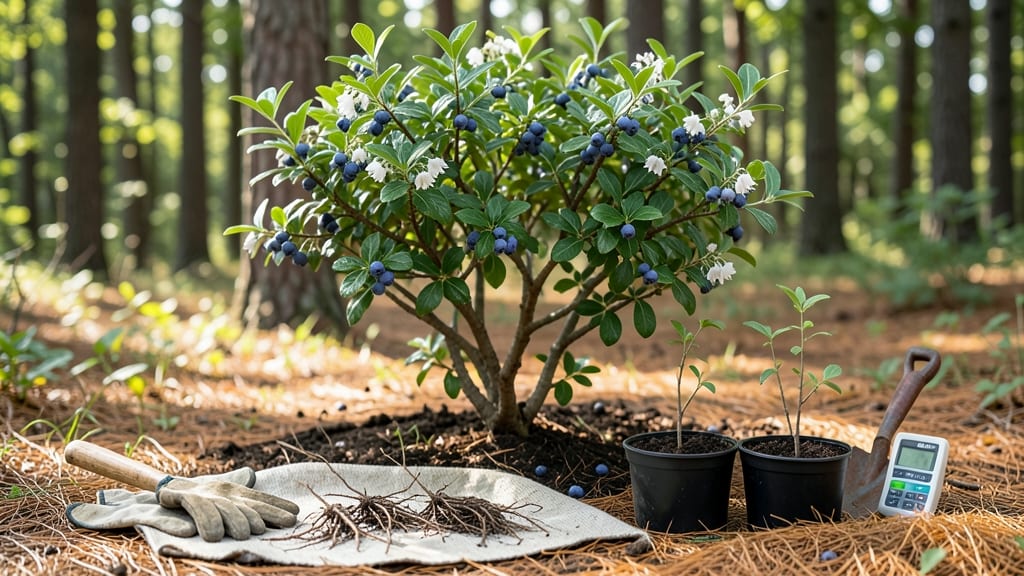
The best time of year to plant blueberry bushes is early spring or fall, when soil temperatures and frost risks align perfectly for root establishment 🫐.
Planting blueberry bushes at the wrong time can mean the difference between a bountiful harvest and years of frustration—yet most gardeners miss the optimal window for their climate zone.
In USDA Zones 3-9, early spring (after last frost) gives roots time to settle before summer heat, while fall planting (4-6 weeks before frost) lets them establish before winter dormancy.
Zone 6a gardeners like me know timing is everything—too early and roots freeze, too late and summer stress sets in.
Below, I break down the exact planting windows for your zone, soil prep secrets to lock in acidity, and how to adjust for containers or tricky microclimates. No more guessing—just thriving bushes and that first harvest you’ve been dreaming of.

Optimal planting windows by USDA hardiness Zones: when to plant for maximum growth
Blueberry bushes thrive when planted during their natural dormancy periods, which aligns with early spring or fall windows. The USDA hardiness zone determines your exact timing—planting too early or late can stunt root development or expose young plants to frost damage.
For example, gardeners in Zone 3 face shorter growing seasons, while those in Zone 10 must avoid summer heat stress.
Most blueberry varieties prefer cool soil temperatures (below 60°F) for root establishment. In Zones 4-7, spring planting (after last frost date) is ideal, while Zones 8-10 benefit from fall planting (4-6 weeks before first frost).
Microclimates—like urban heat islands or sheltered valleys—can shift these windows by 2-4 weeks, so always check local frost data.
Soil temperature is critical: roots struggle to establish in warm soil (above 70°F). Use a soil thermometer to confirm 50-60°F ranges before planting. In Zones 5-6, this often means waiting until mid-April, while Zone 9 gardeners should plant in September to avoid summer heat.
Here’s how your USDA zone dictates the best planting window for blueberry bushes:
In Zones 3-4, where winters are harsh, fall planting is riskier due to early frosts. Instead, focus on early spring (May) when soil thaws. For Zones 5-6, both windows work, but spring planting gives roots more time to establish before winter.
In warmer zones (7-10), fall planting avoids summer heat stress, while spring planting is limited to cooler months.
Regional microclimates can shift these windows. For example, urban areas may experience heat islands, delaying spring planting by 2-3 weeks. Conversely, mountain valleys can have later frosts, pushing fall planting to late October. Always monitor local frost-free dates and adjust accordingly.
Blueberries need 6-10 hours of sun daily, but late afternoon shade helps in Zones 8-10 to prevent heat stress. If planting in containers, choose acid-loving potting mix and ensure pots have drainage holes.
Container-grown bushes can be moved to shaded areas during peak summer heat in southern zones.
After planting, mulch heavily (3-4 inches) with pine needles or wood chips to retain acidity and moisture. In Zones 9-10, use shade cloth during summer to protect young plants. Water deeply 2-3 times per week for the first year, ensuring soil stays consistently moist but not waterlogged.
Common mistakes include planting in alkaline soil (blueberries need pH 4.5-5.5) or ignoring soil temperature. Always test soil 2 weeks before planting and amend with sulfur or peat moss if needed. In Zones 3-5, winter mulch (6-8 inches) is essential to protect roots from freeze-thaw cycles.
For gardeners in non-traditional zones, consider dwarf varieties (like 'Top Hat' or 'Peach Sorbet') that establish faster. These thrive in containers and can be moved to protected microclimates during extreme weather. Always prioritize root establishment over fruit production in the first year—patience leads to healthier, more productive bushes.
Signs your climate Zone is ready for blueberry planting (and what to avoid)
Blueberry bushes thrive when planted during their dormant season, but timing varies dramatically by USDA zone. In cooler zones (3-5), look for leaf bud swell as your green light—this signals the soil has warmed enough for roots to establish.
Meanwhile, gardeners in warmer zones (6-9) should aim for 4-6 weeks before first frost to avoid summer heat stress. Miss these cues, and you risk stunted growth or even plant death.
Don’t rely solely on the calendar—soil temperature is your true guide. Use a soil thermometer to confirm 45°F (7°C) minimum at 4 inches deep.
In northern climates, this often aligns with late April or early May, while southern zones may see ideal conditions as early as February or March. Cold soil slows root development, leaving plants vulnerable to winterkill or disease.
Fall planting must finish 6 weeks before frost—roots need time to harden. In Zone 5, this means late August to early September. Late plantings risk frost damage before roots establish. Never plant when soil is frozen or buds are swelling—this triggers stress.
Watch for frost-free dates in your area—these are non-negotiable. In Zone 7, for example, the average last frost is March 15, but microclimates (like valleys) can delay this by 2-3 weeks.
Use local cooperative extension service data or apps like PlantMap to avoid guessing. Pro tip: Plant bare-root blueberries in early spring when soil is workable but before buds burst.
Another critical sign? Soil thaw depth. In Zone 4, wait until you can dig 12 inches deep without hitting frozen layers. Test by pushing a shovel or screwdriver into the ground—if it resists, wait another 1-2 weeks.
Rushing leads to compacted roots and poor nutrient uptake, sabotaging your harvest before it starts.
Common mistakes derail even well-meaning gardeners. Planting in summer heat causes transplant shock, while fall planting too late leaves roots exposed to freeze-thaw cycles. In Zone 6, for instance, October 1st is the cutoff—any later, and your bushes may not survive winter.
Always mulch heavily (4-6 inches) after planting to insulate roots and retain moisture.
For container growers, timing shifts slightly. Since pots warm faster, you can plant 2-3 weeks earlier than in-ground. However, dwarf varieties still need 6+ hours of sun daily, so avoid shady spots.
If your zone’s frost dates are unpredictable (like Zone 8’s erratic winters), opt for everbearing varieties—they’re more forgiving with timing quirks.