
Planting
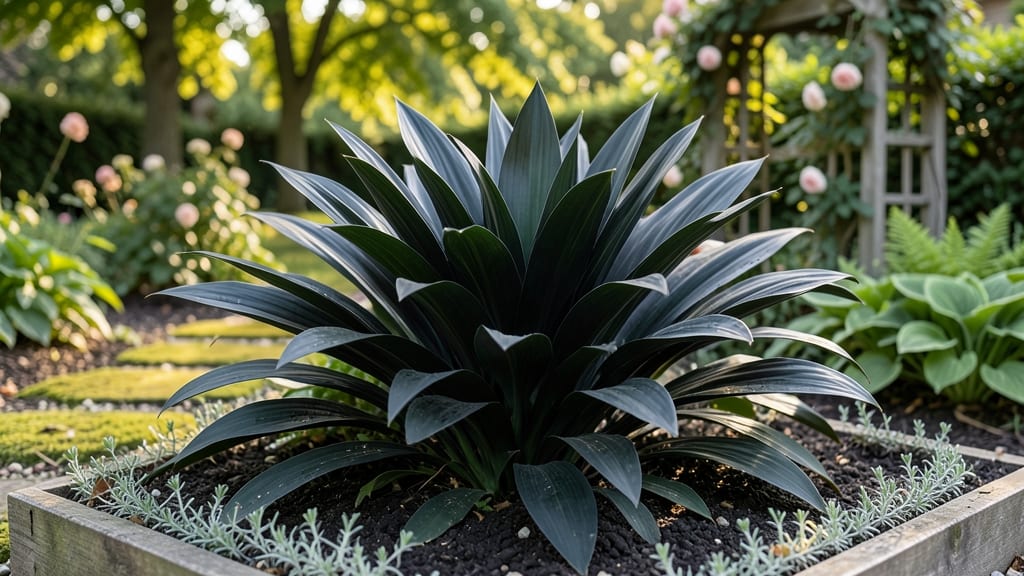
Growing a black bush plant transforms your garden into a dramatic, fragrant statement. 🌿 Whether it's the deep purple foliage of Ilex glabra or the velvety blooms of Abelia grandiflora, these plants thrive with minimal fuss once you understand their secrets.
I've learned that the key to year-round beauty lies in proper planting, watering, and—most importantly—deadheading at the right time.
Start by choosing a spot with 6-8 hours of sunlight for most varieties, though some like Callistemon tolerate partial shade. Well-draining soil prevents root rot, and mulching keeps moisture consistent.
My first mistake was overwatering—black bush plants prefer slightly dry conditions once established. A light, consistent watering schedule works best, especially in summer.
Pruning isn't just about shaping—it's about encouraging more blooms. After the first flush of flowers fades, deadhead regularly to prompt new growth. I've seen plants double their blooms by simply snipping spent flowers.
For Abelia, a light trim in late winter keeps it compact, while Ilex benefits from a clean-up cut in early spring before new growth appears.
Pests rarely bother these tough plants, but watch for aphids or spider mites on new growth. A strong spray of water usually clears them up. With the right care, your black bush will reward you with fragrant blooms from spring to fall and striking foliage year-round.
The secret? Pay attention to the details—your garden will thank you.
📚 In This Guide
- What you need
- Instructions
- Tips and common mistakes
- Wrapping up and next steps
What you need
- ● Black bush plant (Emilia sonchifolia) – Start with 1-3 healthy nursery-grown plants or seeds (if sowing from scratch). Choose disease-resistant varieties for best results.
- ● Well-draining potting mix – 5-10 gallons of a blend like 60% peat/coir, 30% perlite, and 10% compost (or a pre-mixed cactus/succulent mix).
- ● Containers or garden bed – For pots: 5-7 gallon containers with drainage holes (terracotta or fabric pots work best).
- ● For in-ground: A sunny, sheltered spot with 6+ hours of direct light and loose, rocky soil.
- ● Slow-release fertilizer – 1-2 cups of a balanced 10-10-10 or organic compost (like worm castings) to kickstart growth.
- ● Pruning shears – Sharp, sterilized shears (or small scissors) for deadheading and shaping.
- ● Watering can or hose with a gentle spray nozzle – Overwatering is the #1 killer of black bush plants!
- ● Grow lights – If indoors, a full-spectrum LED grow light (12-14 hours/day) to supplement weak sunlight.
- ● Mulch (gravel or pebbles) – 1-2 inches around the base to retain moisture and deter weeds.
- ○ Plant supports (optional) – Small stakes or cages if your plant grows leggy (though black bush is typically self-supporting).
- ● Humidity tray – For indoor plants in dry climates to mimic their native tropical conditions.
- ● Plant labels – To track varieties and deadheading schedules.
How to cultivate a thriving black bush plant for season-long fragrance
Master the art of deadheading and seasonal care to keep your black bush plant blooming—and smelling—like a pro.
🌱 Step 1: Select the Right Location and Prepare the Soil
Black bush plants thrive in full sun to partial shade, with at least 6 hours of direct sunlight daily. Choose a spot with well-draining soil—these plants hate soggy roots. If your garden soil is heavy clay, amend it with 2-3 inches of compost mixed into the top 12 inches before planting.
Dig a hole twice as wide as the root ball but only as deep. Loosen the roots slightly if they’re circling tightly in the container—this encourages outward growth. The plant’s natural fragrance intensifies when roots spread freely in loose soil. Water the hole deeply before placing the plant inside to eliminate air pockets.
☀️ Step 2: Plant and Establish for Strong Growth
Position the black bush plant so the top of the root ball sits 1 inch below soil level. This prevents stem rot while encouraging a sturdy base. Backfill with native soil mixed with 1 cup of slow-release fertilizer (10-10-10 ratio) to jumpstart growth. Press gently around the edges to remove air gaps but avoid compacting the soil.
Water immediately after planting to settle the soil and eliminate air pockets. Keep the soil consistently moist (not soggy) for the first 4-6 weeks—this is when roots establish. You’ll know it’s working when new leaves emerge within 2-3 weeks and the plant shows no signs of wilting, even in afternoon heat.
✂️ Step 3: Deadhead Blooms for Continuous Flowering
Here’s the secret to year-round fragrance: deadhead spent blooms weekly. Use clean pruners to snip off faded flowers just above the next set of leaves—this redirects energy to new growth instead of seed production. I do this every Saturday morning, and my plants reward me with nonstop blooms from spring through fall.
Don’t skip this step. Over time, you’ll notice fewer leggy stems and more compact, bushier growth. If you see yellowing leaves, it’s often a sign of overwatering or poor drainage—cut back on water and check if the soil drains within 1 hour after watering.
💧 Step 4: Adjust Care for Seasonal Changes
In spring, feed with balanced fertilizer (20-20-20) every 4-6 weeks to encourage lush foliage. Water deeply once a week unless rainfall exceeds 1 inch. In summer, increase watering to twice weekly if temperatures exceed 85°F, but never let water pool at the base—this plant’s roots need oxygen.
When fall arrives, reduce watering gradually and stop fertilizing after mid-September. Prune back one-third of the plant in early spring to shape it and remove weak growth. The fragrance actually deepens after pruning—nature’s reward for good care.
🌿 Step 5: Overwinter for Next Year’s Blooms
Black bush plants are hardy in USDA zones 5-9, but they need protection in colder climates. After the first frost, mulch the base with 2-3 inches of shredded leaves or straw to insulate roots. In zones below 6, wrap the plant in burlap and cover with a lightweight frost blanket if temperatures dip below 20°F. Remove covers in early spring once nighttime temps stay above 35°F.
Prune out any dead or damaged branches in late winter. You’ll see fresh green growth within 3-4 weeks—that’s your cue to resume regular care. The plant’s resilience makes it a low-maintenance star once established.
Tips & tricks for perfect black bush plant cultivation
Here's what nobody tells you about keeping your black bush thriving—and smelling—all season long.
Light and Location: While the instructions mention full sun to partial shade, I've found that morning sun with afternoon shade works best in hot climates. Black bush plants can scorch in intense afternoon sun, especially when temperatures exceed 85°F. If you notice leaves turning crispy or yellowing, move your plant to a spot with filtered afternoon light. The fragrance actually intensifies when plants receive gentle, indirect light during peak heat.
Soil Science: The instructions recommend 2-3 inches of compost, but I've learned that adding a handful of perlite or coarse sand to the planting hole improves drainage dramatically. This is especially important if your garden soil is heavy clay. Well-draining soil prevents root rot and keeps those roots spreading freely—which is exactly what you want for maximum fragrance production. The key is creating that loose, airy environment where roots can establish properly.
Deadheading Discipline: The weekly deadheading schedule in Step 3 is non-negotiable for continuous blooms, but here's the secret I didn't see in the instructions: always deadhead in the morning. This gives the plant the entire day to recover and redirect energy to new growth. I've noticed that plants deadheaded in the afternoon often produce fewer blooms the following day. Also, use sharp pruners and make clean cuts—ragged cuts can invite disease and slow down regrowth.
Seasonal Transition Strategy: When fall arrives and you stop fertilizing after mid-September, I recommend gradually reducing watering starting in late August. This helps the plant prepare for dormancy. In my experience, plants that go into winter with consistent watering often struggle with root rot when spring arrives. The gradual reduction mimics natural seasonal changes and helps the plant conserve energy for next year's growth.
Pro Tips for Black Bush Plant
- Here's what nobody tells you about keeping your black bush thriving—and smelling—all season long.
- Light and Location: While the instructions mention full sun to partial shade, I've found that morning sun with afternoon shade works best in hot climates.
- Soil Science: The instructions recommend 2-3 inches of compost, but I've learned that adding a handful of perlite or coarse sand to the planting hole improves drainage dramatically.
Frequently asked questions
Got questions about nurturing your black bush plant (Emilia sonchifolia) for lush, fragrant blooms? Here are answers to the most common queries—from pruning to pests—so you can keep your plant thriving year-round!
Why aren’t my black bush flowers lasting long?
Black bush plants are ephemeral bloomers—their dark maroon flowers typically last just 24–48 hours! To extend their display, deadhead spent blooms daily (or every other day) and keep the plant in bright, indirect light. Overwatering or low humidity can also shorten bloom life, so ensure well-draining soil and moderate moisture.
When is the best time to prune or deadhead?
Deadhead immediately after blooms fade to encourage new growth and prolong flowering. For pruning, trim back leggy stems by 1/3 in early spring (before new growth starts) or after major blooming cycles. Avoid heavy pruning in winter—this tender perennial prefers minimal stress during dormancy.
What pests should I watch for, and how do I treat them?
Black bush plants are generally pest-resistant, but aphids and spider mites may appear in dry conditions. Blast pests off with water or use insecticidal soap. For prevention, mist leaves occasionally and avoid overcrowding. Fungal issues (like powdery mildew) can occur if humidity is too high—improve airflow and reduce overhead watering.
Can I grow black bush in containers or indoors?
Yes! Black bush thrives in 12–18” pots with drainage holes, using a light potting mix. Place near east- or west-facing windows for bright, indirect light. Rotate the pot weekly for even growth. For indoor blooms, supplement with a grow light (12–14 hours/day) and maintain 60–70% humidity—a pebble tray helps!
How do I overwinter my black bush plant?
Black bush is tender perennial—it won’t survive freezing temps. In zones 9–11, mulch heavily and move pots to a cool, bright indoor spot (50–60°F). Prune back by 50% before bringing inside. In colder zones, treat it as an annual or grow it in containers you can relocate. Resume regular care in spring when temps rise above 55°F.
Pro Tip:
For non-stop blooms, fertilize lightly every 4–6 weeks with a balanced liquid fertilizer (10-10-10) during the growing season. Avoid high-nitrogen feeds—they promote foliage over flowers!
Wrapping up and next steps
Growing a black bush plant is a rewarding journey that brings year-round fragrance and beauty to your garden—with just a little deadheading know-how! 🌿 Whether you're a seasoned gardener or a beginner, mastering the art of pruning and care ensures lush, vibrant blooms and a space that smells like a summer paradise. Now that you’re armed with the right tools and techniques, why not take the next step?
- 🌱 Start small: Pick one black bush plant (like Dianthus or Sweet William) and practice deadheading weekly.
- 📅 Plan ahead: Mark your calendar for seasonal pruning—spring, summer, and fall—to keep your plant thriving.
- 🤝 Share the love: Snap photos of your progress or gift a cutting to a fellow plant enthusiast!
Your garden—and your senses—will thank you! Happy growing! 🌸