
Pests and Diseases
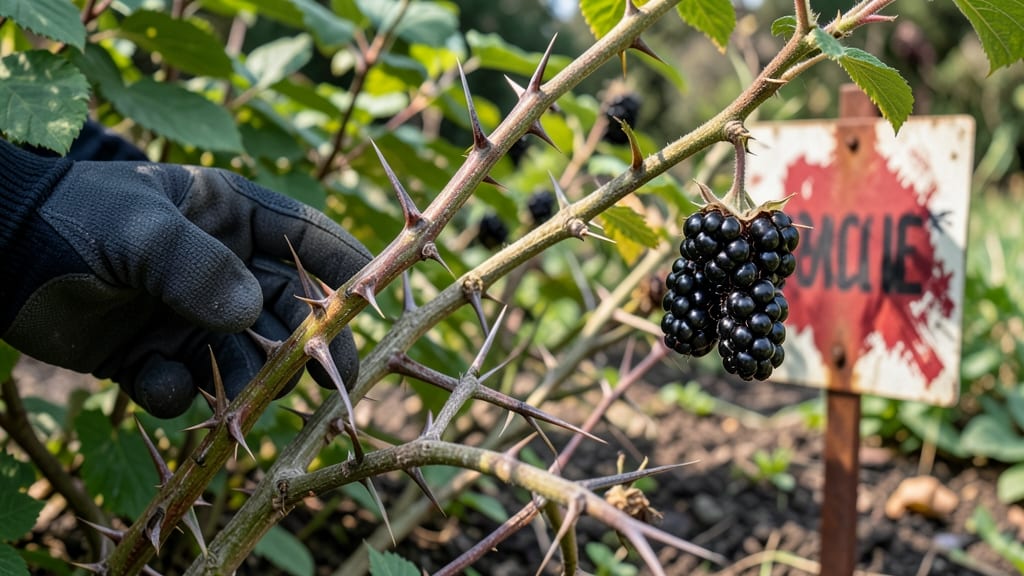
Blackberry bush thorns aren't poisonous, but they will draw blood—and fast. 🌿 I’ve spent years harvesting these berries, and let me tell you, those thorns have a way of turning a sunny afternoon into a prickly nightmare if you’re not careful.
The real danger isn’t toxicity; it’s the risk of infection from deep punctures or the sheer frustration of tangled gloves and torn sleeves.
Here’s the kicker: those thorns aren’t just annoying—they’re sharp. A single snag can leave a wound that feels worse than it looks, especially if you’re working with wet berries or sweaty hands. The good news?
With the right gear and techniques, you can prune, harvest, and maintain your bushes without turning into a pincushion. Long sleeves, thick gloves, and a pair of pruning shears with a loop handle (so you don’t stab yourself) make all the difference.
By the end of this, you’ll harvest berries without bleeding—and maybe even enjoy the process. The key is protection first: cover up, work smart, and keep your tools sharp.
I’ve gone from cursing my bushes to actually looking forward to harvest season, and you can too. Let’s get you set up safely.
The same rules apply whether you’re pruning in spring, harvesting in summer, or cleaning up in fall. No matter the season, these thorns don’t play fair—but you can outsmart them. Ready to tackle those bushes without the battle wounds?
The Science Behind Thorny Defense
Blackberry bushes don’t grow thorns just for show—they’re a highly effective evolutionary survival strategy. These sharp, hooked spines serve as a first line of defense against herbivores, pests, and even human interference.
But why do they feel so painful (and sometimes even "poisonous" in perception)? Let’s break down the key reasons behind their prickly nature.
Thorns act as a physical barrier to protect the bush from animals like deer, rabbits, and even insects. When herbivores attempt to nibble on leaves or fruits, the thorns puncture their mouths, discouraging further attacks.
This is especially critical for young plants that haven’t yet developed thick bark or chemical defenses.
Blackberries, in particular, rely on this dual defense system:
- Mechanical defense: Thorns create micro-tears in skin or fur, triggering pain and irritation.
- Chemical deterrents: Some thorns may exude mild irritants (like formic acid or tannins) that worsen the sting, making the bush even less appealing to predators.
💡 Pro Tip: If you’re pruning or harvesting, wear thick gloves—the combination of sharp thorns and mild irritants can lead to lingering discomfort.
Thorns also play a role in reducing pathogen spread. By discouraging animals from feeding on the plant, blackberry bushes minimize damage that could expose vulnerable tissues to fungi, bacteria, or viruses. For example:
| Threat | How Thorns Help |
|---|---|
| Anthracnose fungus | Prevents animals from spreading spores through saliva or physical contact. |
| Blackberry rust | Reduces leaf damage, limiting entry points for fungal spores. |
| Insect vectors (e.g., Japanese beetles) | Deters feeding, which can otherwise transmit plant diseases. |
🌡️ Fun Fact: Studies show that plants with thorns or spines often have lower disease rates compared to thornless varieties—proof that nature’s armor works!
Blackberry bushes are perennial climbers, meaning they grow aggressively along the ground or up supports. Thorns serve a dual purpose here:
- Anchoring: The hooked thorns help the plant climb and cling to trellises, fences, or other structures, giving it stability without relying solely on vines.
- Canopy protection: Dense thorn coverage shields the plant’s fruit and new shoots from wind, hail, or accidental trampling.
🔥 Key Insight: The more stressed or nutrient-deprived a blackberry bush is, the thicker and more aggressive its thorns become. Poor soil, drought, or overcrowding can trigger this defensive overdrive.
While blackberry thorns aren’t inherently toxic, they can feel like it due to:
- Physical trauma: The sharp, curved thorns can embed in skin, causing puncture wounds that may become infected if not cleaned properly.
- Allergic reactions: Some people experience contact dermatitis from sap or residual plant oils on the thorns, leading to redness or itching.
- Psychological aversion: The pain associated with thorns can make people associate them with danger, even if no actual poison is present.
🎯 Safety Note: If you suspect an infection (pus, swelling, or fever), wash the area with soap and water and apply an antibiotic ointment. Severe reactions should be checked by a medical professional.
Safe Ways To Remove Thorns
Dealing with blackberry bush thorns can feel like navigating a natural obstacle course—sharp, stubborn, and often painful! But with the right approach, you can tackle them safely without turning your garden into a battlefield.
Below are practical, step-by-step solutions tailored to common causes, from accidental pokes to full-scale bush removal. Plus, we’ll share prevention tips to keep future encounters at bay.
Thorns from blackberry bushes can cause minor cuts, scrapes, or even infections if debris gets lodged in the wound. Here’s how to clean and treat them properly:
- 🚰 Rinse Immediately
- Wash the affected area with soap and cool water to remove dirt, sap, or bacteria. Use a mild antibacterial soap if available.
- 🩹 Stop the Bleeding
- Apply gentle pressure with a clean cloth or gauze. If bleeding persists for more than 10 minutes, seek medical attention.
- 🧴 Clean and Protect
- Pat the area dry, then apply an antiseptic ointment (like Neosporin) to prevent infection.
- Cover with a sterile bandage if the wound is deep or in a high-risk area (hands, face).
- 💡 Pro Tip:
- If the thorn is embedded, don’t dig with your fingers—use sterile tweezers to gently extract it. Soak the area in warm water first to soften skin and make removal easier.
- ⚠️ Watch for Signs of Infection
- Redness, swelling, pus, or fever? See a doctor. Blackberry thorns can introduce bacteria or fungi, so don’t ignore persistent symptoms.
Thorns are the bush’s defense mechanism, but you can trim them back safely with the right tools and technique.
- 🔪 Use the Right Tools
- Heavy-duty pruning shears (for thicker stems) or loppers (for larger branches).
- Wear thick gloves—leather or garden-specific ones with reinforced palms.
- Long sleeves and pants to protect arms and legs.
- 🌿 Prune at the Right Time
- Late winter or early spring (before new growth) is ideal. Avoid pruning in summer heat, which can stress the plant and make thorns more aggressive.
- 🎯 Cut Strategically
- Remove thorny canes at the base—this encourages new, less thorny growth.
- Thin out crowded branches to improve airflow and reduce future thorn production.
- Avoid cutting into the main trunk unless absolutely necessary (this can harm the plant).
- 🔥 Pro Tip:
- Disguise thorns with mulch—apply a thick layer of wood chips or straw around the base to deter climbing and reduce exposure to thorns.
If the bush is overgrown, invasive, or too thorny to manage, complete removal may be the best option. Here’s how to do it without turning your yard into a thorny warzone:
- 🌱 Choose the Right Time
- Early spring or fall—when the plant is dormant and less aggressive.
- 🪓 Cut Down the Canes
- Use a pruner or saw to chop the main stems as close to the ground as possible.
- Wear protective gear (gloves, goggles, and long sleeves).
- 🌱 Dig Up the Roots
- Use a shovel or garden fork to loosen the soil around the base.
- Pull gently but firmly—blackberry roots can be deep and stubborn.
- Check for regrowth—any remaining root fragments can sprout new thorny canes.
- 🔥 Pro Tip:
- Smother remaining roots with cardboard or black plastic for 6–12 months to prevent regrowth.
- Apply vinegar or herbicide (like glyphosate) to the stump if roots persist—but avoid overspraying nearby plants.
Once you’ve dealt with the immediate issue, prevent future thorny encounters with these long-term strategies:
- 🌿 Plant Thorn-Less Varieties
- Some blackberry cultivars (like ‘Cheyenne’ or ‘Arapaho’) produce fewer thorns. Check with local nurseries for low-thorn options.
- 🌱 Regular Pruning Maintenance
- Trim canes twice a year (spring and fall) to keep the bush manageable and reduce thorn density.
- 🚫 Install Barriers
- Use wire mesh or fencing around the bush to contain it and prevent it from spreading into walkways or play areas.
- 💡 Pro Tip:
- Train vines vertically on a trellis—this not only reduces ground-level thorns but also makes harvesting berries easier!
- 🌱 Monitor for Invasiveness
- Blackberries spread via rhizomes (underground stems). If you notice new shoots popping up far from the main plant, dig them out immediately.
Blackberry thorns aren’t just a nuisance—they’re the plant’s way of protecting its berries (and your fingers!). By pruning strategically, choosing the right tools, and staying vigilant, you can enjoy the sweet rewards of blackberries without the painful surprises.
And if all else fails? A well-placed fence or a thorn-resistant variety might just save your sanity—and your skin!
Frequently asked questions
Are blackberry thorns actually poisonous?
No, blackberry thorns aren't poisonous—but they can feel like it! The sharp, curved spines cause painful punctures that may bleed, and some people experience mild irritation from plant sap. The real danger comes from infections if wounds aren't cleaned properly, not from any inherent toxicity in the thorns themselves.
What should I do if a blackberry thorn gets stuck in my skin?
First, don't panic! Soak the area in warm water for 5-10 minutes to soften skin, then use sterile tweezers to gently pull out the thorn. Wash thoroughly with soap and water, apply an antibiotic ointment, and monitor for signs of infection (redness, swelling, or pus) for 24-48 hours.
Can blackberry thorns cause allergic reactions?
Yes, some people develop contact dermatitis from blackberry sap or oils on the thorns. Symptoms include redness, itching, or small bumps at the puncture site. If you're prone to allergies, wear nitrile gloves (which are less likely to cause reactions than latex) when handling thorny bushes, and wash your hands immediately after contact.
How can I protect myself when harvesting blackberries?
Layer up with long sleeves, thick leather gloves, and closed-toe shoes. A wide-brimmed hat helps shield your face, and consider using long-handled pruners to avoid reaching into dense thorny areas. For extra protection, spray your sleeves with a water-repellent fabric spray to help thorns slide off more easily.
Will removing blackberry thorns hurt the plant?
No, pruning thorny canes actually benefits the plant! Removing thorns (by cutting back canes) encourages healthier growth and makes harvesting easier. Just avoid cutting into the main trunk, as this can damage the plant. The best time to prune is late winter or early spring before new growth begins.