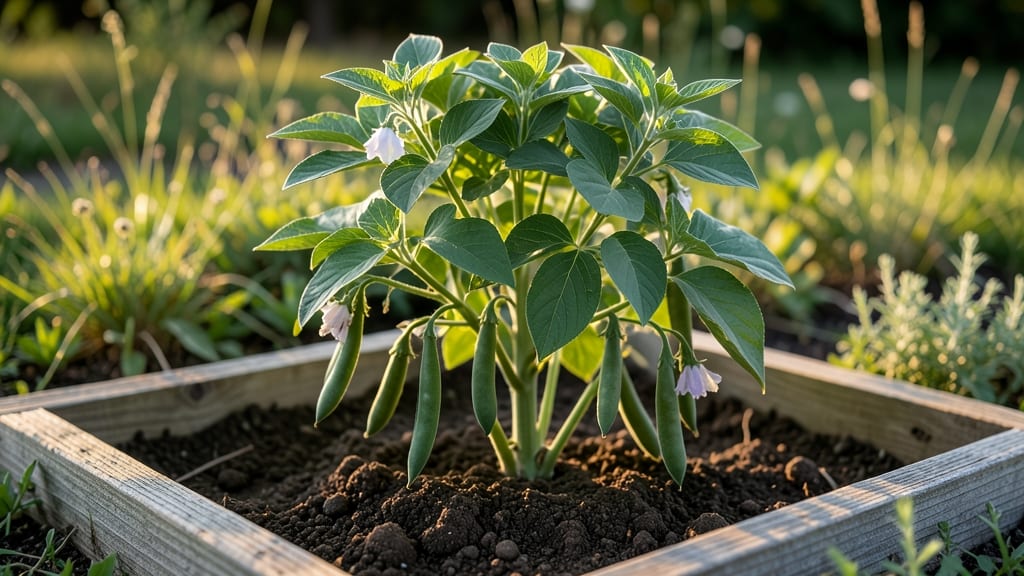
Buying guide: how to choose the right Blue Lake 274 bush bean seeds
1. Seed Treatment Type (Organic vs. Conventional) 💡
Not all seeds are created equal, and the treatment type can dramatically impact your harvest. Organic-certified seeds, like the non-GMO Blue Lake 274, are treated without synthetic chemicals, making them ideal for organic gardens or those avoiding residues.
These seeds often come with enhanced disease resistance and are a favorite among health-conscious gardeners. On the other hand, conventional seeds may be more affordable but could require additional organic practices to maintain soil health.
If you prioritize sustainability and flavor purity, organic is the way to go. For traditional gardeners, untreated conventional seeds offer a cost-effective alternative without compromising yield.
2. Germination Speed and Viability Guarantees ⚡
Germination speed can make or break your planting schedule, especially in shorter growing seasons. Look for seeds with pre-treated coatings or fast germination guarantees, like those promising sprouts in 7-10 days.
Some premium seed vault collections even offer 20+ year viability guarantees, ensuring you won’t waste money on old seeds. Counter-intuitively, bulk seed packs often have higher germination rates because they’re stored in optimal conditions.
If you’re planting in cooler climates, prioritize seeds with cold-hardy traits or those treated for faster growth. Always check the packaging date—older seeds, even if stored properly, may have reduced viability.
3. Disease Resistance for Your Climate Zone ✅
Your local climate dictates which disease-resistant traits matter most. For example, if you’re in a humid region, prioritize seeds resistant to bean blight and mosaic virus, common in warm, damp conditions. In drier climates, look for drought-tolerant varieties.
The Blue Lake 274 is already a resilient choice, but some hybrid versions add extra protection. Always verify the seed’s USDA zone compatibility—most Blue Lake 274 varieties thrive in zones 4-10. Pro tip: Pair resistant seeds with companion plants like marigolds or basil to further deter pests naturally.
If you’ve struggled with fungal diseases in past gardens, invest in seeds with explicit disease resistance labels.
4. Yield Potential: Seeds per Packet vs. Plant Productivity 🔍
Yield isn’t just about the number of seeds in a packet—it’s about plant productivity per square foot. A bulk seed pack with 500+ seeds might seem like a steal, but if each plant produces fewer pods due to poor spacing or weak genetics, your harvest could suffer.
Instead, focus on high-yield hybrids that deliver 6-8 weeks of continuous harvest per planting. For small gardens, prioritize compact bush varieties that maximize space. If you’re growing for preservation or large families, bulk packs save money but require careful planning to avoid overcrowding.
Always calculate your square footage needs—Blue Lake 274 bushes typically need 4-6 inches of spacing for optimal airflow and productivity.
5. Storage and Longevity for Future Plantings 🛡️
Seeds don’t last forever, but with the right storage, you can extend their viability for years. Premium seed vault collections often include mycorrhizal inoculants and airtight packaging to preserve freshness. Store seeds in a cool, dark place (like a fridge) with a silica gel packet to absorb moisture.
Most Blue Lake 274 seeds retain viability for 3-5 years under ideal conditions, but organic or untreated seeds may degrade faster. If you’re buying in bulk, split the seeds into smaller portions to avoid opening the packet repeatedly.
For long-term gardeners, investing in high-viability seeds with extended shelf life guarantees pays off in future seasons.
6. Budget Considerations: Short-Term vs. Long-Term Value 💰
Budget-friendly starter packs are perfect for testing the waters, but if you’re serious about gardening, mid-range organic or bulk seeds offer the best long-term value. Premium seed vaults are a significant investment upfront but deliver decades of use and superior genetics.
For example, a bulk pack of 500 seeds might cost slightly more than a small packet but could save you hundreds over time. If you’re new to gardening, start with a beginner-friendly pack to refine your technique before committing to larger quantities.
Remember: cheaper seeds often mean lower germination rates or weaker disease resistance, which can lead to wasted time and money. Balance your budget with your long-term gardening goals—will you replant annually, or are you building a seed library?
Frequently asked questions
Q: What's the best time to plant Blue Lake 274 bush bean seeds for maximum yield?
For optimal growth, plant these seeds 2-3 weeks after your last frost date when soil temperatures reach at least 60°F (15°C). In warmer climates (zones 8-10), you can even plant in early spring or late summer for a fall harvest. Avoid planting in cool, wet soil, as it slows germination. I recommend using a soil thermometer to track temperature—consistent warmth is key for these fast-growing beans.
Q: How much space should I allocate for Blue Lake 274 bush beans in my garden?
These bush beans thrive with 4-6 inches of spacing between plants and 18-24 inches between rows. If you're growing in containers, use 1-2 plants per 5-gallon pot with well-draining soil. Overcrowding reduces airflow, increasing the risk of fungal diseases. For high-density gardens, consider trellising (though Blue Lake 274 is a bush variety) to save space—just ensure sturdy support if you opt for this method.
Q: Why aren't my Blue Lake 274 seeds germinating, even after following planting instructions?
Slow or failed germination often stems from old seeds, improper soil moisture, or temperature issues. First, check the packaging date—seeds older than 2 years may have reduced viability. Plant in moist (not soggy) soil at a depth of 1-1.5 inches, keeping it consistently damp until sprouts appear (7-10 days for pre-treated seeds). If using untreated seeds, soak them overnight in lukewarm water before planting. Poor drainage or compacted soil can also suffocate roots—amend with compost if needed.
Q: Are Blue Lake 274 bush beans suitable for container gardening, and what pots should I use?
These beans adapt well to containers as long as you use pots at least 12 inches deep with drainage holes. Opt for 5-gallon buckets or fabric grow bags for 2-3 plants each. Ensure the container has supportive sides (like trellis netting) if you plan to grow companion plants nearby. Use a lightweight, well-draining potting mix with added compost, and fertilize lightly every 3-4 weeks with a balanced organic fertilizer. Containers dry out faster, so monitor soil moisture closely.
Q: How do I prevent pests and diseases in my Blue Lake 274 bush beans?
Start with disease-resistant seeds (like the organic-certified options) and practice crop rotation to avoid soil-borne pathogens. For pests, plant marigolds, basil, or nasturtiums nearby to repel aphids and Mexican bean beetles. Handpick larger pests like bean beetles early in the day. Avoid overhead watering to prevent fungal diseases—water at the base of plants in the morning. If you notice powdery mildew, spray with a baking soda solution (1 tsp baking soda + 1 quart water + a drop of dish soap). Regular harvesting also encourages healthy growth.
Q: Can I save seeds from my Blue Lake 274 harvest for next year, and how?
Yes! To save seeds, allow 2-3 pods per plant to mature fully on the vine until they turn dry and papery. Harvest the pods, dry them in a well-ventilated, dark place for 1-2 weeks, then extract the seeds. Store them in a cool, dry place (below 40°F/4°C) in an airtight container with a silica gel packet to maintain viability for 3-5 years. Label the container with the variety and year. For best results, save seeds from organic or heirloom varieties to preserve genetic integrity.
Q: What's the difference between Blue Lake 274 bush beans and pole beans like Blue Lake 274 pole varieties?
The key difference lies in growth habit and support needs. Blue Lake 274 bush beans grow 2-3 feet tall and don’t require trellising, making them ideal for small spaces or containers. Pole bean varieties (like Blue Lake 274 pole) grow 6-8 feet tall and need sturdy trellises or poles to climb. Bush beans produce slightly smaller yields but are faster to mature (50-60 days) compared to pole beans (60-70 days). Pole beans, however, offer higher yields per plant and continuous harvests as they grow taller. Choose bush beans for ease and space efficiency, or pole beans for maximized production in vertical gardens.
★★★★★4.8(11 reviews)