
How To
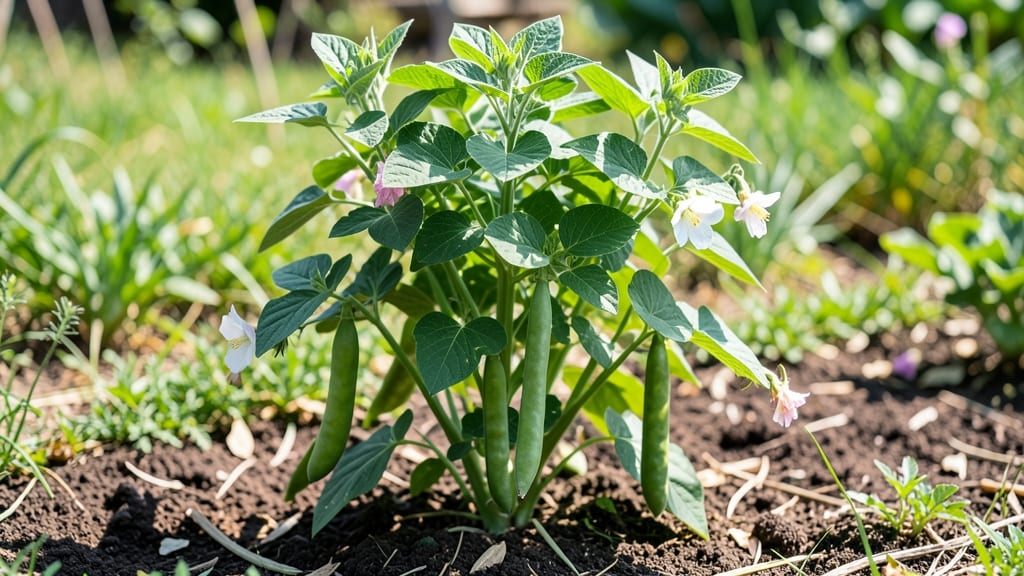
Bush beans grow between 1 and 3 feet tall, making them a compact powerhouse for small gardens 🌱—but their exact height depends on the variety you choose.
If you’ve ever squeezed too many plants into a tiny bed only to watch them sprawl or struggle, you know how critical sizing is. The wrong spacing leads to crowded vines, poor airflow, and fewer beans at harvest time.
Meanwhile, the right setup turns even a balcony pot into a productive patch.
Below, I’ll break down the height ranges of popular bush bean varieties—from dwarf types that stay under a foot to standard varieties that top out at 3 feet—so you can plan your garden layout with confidence.
You’ll also discover how height affects support needs (trellises vs. no trellises), spacing tricks for small spaces, and how to maximize yield without sacrificing growth.

Average bush bean heights by variety: what to expect in your garden
Bush beans are a gardener’s dream for small spaces—they deliver high yields in tight quarters without needing sprawling vines. But not all varieties grow the same height, and knowing the exact range helps you plan spacing, support, and companion plants for maximum productivity.
Some stay as short as 8 inches, while others reach nearly 3 feet, making variety selection critical for your garden layout.
If you’re working with containers or raised beds, dwarf varieties like Contender or Blue Lake will thrive, while taller types like Kentucky Wonder need more room to avoid shading smaller plants.
The key is matching the variety to your space—whether you’re growing in rows, hills, or pots—to ensure every plant gets the sunlight and airflow it needs.
Pro Tip: Always check seed packets for height ranges, as even within the same variety, growth can vary by 10-15% based on soil fertility and sunlight. For example, a Blue Lake bean might hit 18 inches in rich soil but only 14 inches in poorer conditions.
| Variety | Mature Height | Spacing (inches) | Growth Habit | Best For |
|---|---|---|---|---|
| Blue Lake | 12–18 inches | 3–4 inches apart | Compact bush | Containers, small gardens |
| Contender | 8–12 inches | 2–3 inches apart | Dwarf bush | Pots, window boxes |
| Roma | 18–24 inches | 4–6 inches apart | Semi-bush | Raised beds, trellises |
| Kentucky Wonder | 24–36 inches | 6–8 inches apart | Tall bush | Back of garden beds |
| Provider | 16–20 inches | 3–4 inches apart | Compact bush | Succession planting |
For small-space gardens, I recommend starting with Contender or Blue Lake—they’re the most space-efficient and produce heavy yields in just 50–60 square feet.
Place them in hills or containers to save even more room, and interplant with radishes or lettuce, which mature faster and won’t compete for space.
If you’re growing Kentucky Wonder or Roma, plan for taller spacing and consider a low trellis or cage to support their weight. These varieties can overwhelm smaller plants if placed too close, so give them at least 18 inches of clearance from neighboring crops like carrots or onions.
Visual Growth Tip: Sketch your garden layout before planting, marking each variety’s mature height and spacing needs. Use colored pencils to differentiate heights—this helps you visualize how sunlight will reach all plants throughout the day.
One mistake I see often is overestimating bush bean height, leading to crowded plants and poor airflow. For example, Kentucky Wonder at 3 feet tall needs double the space of a 12-inch Contender.
Always err on the side of more space—bush beans won’t mind, but overcrowding will stress them and reduce your harvest.
For container gardening, choose dwarf varieties like Contender and plant 2–3 seeds per 5-gallon pot. This gives roots enough room to spread while keeping the plant’s height manageable
How bush bean height affects your garden layout and support needs
Understanding bush bean height is the first step to designing a garden that thrives in limited space. Most varieties reach 12–18 inches tall, but some dwarf types stay as short as 8 inches, while taller varieties can hit 24 inches.
This range directly impacts where you place them in your layout—especially if you’re growing other plants nearby.
For compact gardens, shorter bush beans (like Contender or Blue Lake) work beautifully in front rows, leaving room for taller plants like tomatoes or peppers in the back. This vertical layering maximizes sunlight exposure for all plants and makes harvesting easier—no more bending over!
Here’s how bush bean height influences your garden’s success:
Trellis vs. No-Trellis
No-Trellis Approach
Sunlight Needs
Airflow & Yield
If you’re growing bush beans in containers, height matters even more. Dwarf varieties (like Mascotte) thrive in 5-gallon pots, while taller types need 10+ gallons to support their roots. Always check the variety’s mature height before choosing a container—root-bound beans grow slower and produce fewer pods.
For limited-space gardens, mix heights strategically. Place taller varieties in the back of raised beds or along fences, and shorter ones in front. This creates a natural sunlight gradient and makes weeding easier.
Just ensure all plants get at least 6 hours of sun daily—bush beans won’t pod well in shady spots.
Finally, don’t underestimate the role of support structures. Even compact bush beans benefit from light staking (like tomato cages) if they’re planted densely. A few inches of extra support can mean the difference between a bountiful harvest and a struggling crop in windy areas.