
Pruning
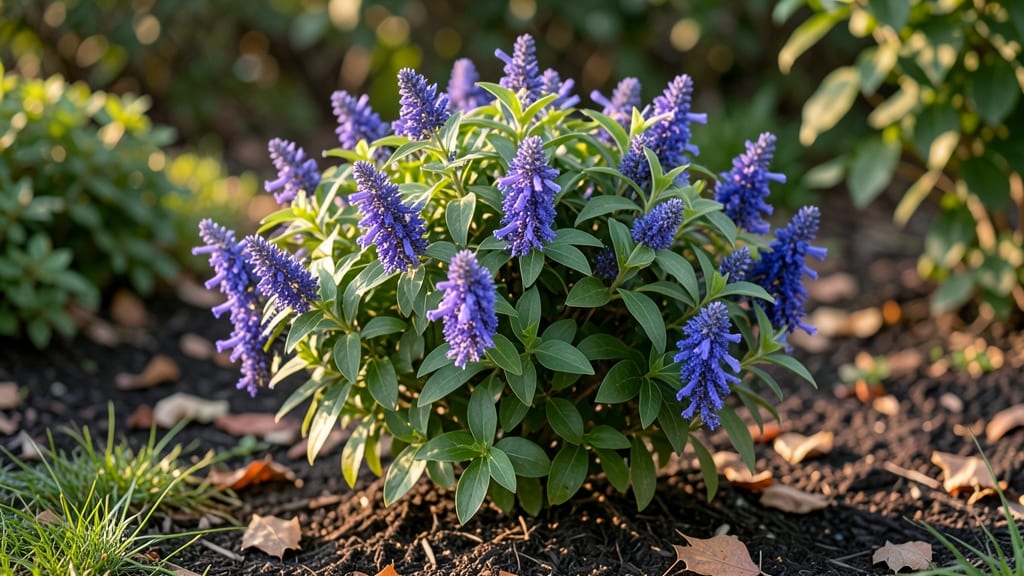
Growing a Blue Pugster butterfly bush means purple blooms from summer through frost—no fancy tricks needed. 🌿 I’ve watched this compact beauty transform bare branches into a magnet for butterflies while requiring less fuss than most shrubs.
The secret lies in its love for sun, well-draining soil, and a simple pruning routine that keeps it tidy without sacrificing flowers. This bush thrives in full sun (6+ hours daily) and tolerates most soil types, though it rewards you with bigger blooms when planted in slightly alkaline conditions.
Water it deeply once established, and you’ll spend less time fussing with wilting leaves. The real magic happens when you prune correctly: a late-winter cleanup followed by light trims after flowering keeps it lush and productive.
By mid-summer, you’ll be surrounded by clusters of violet-blue flowers that attract monarchs, swallowtails, and more. The fragrance? Subtle but intoxicating—like a summer breeze through a meadow. Place it near seating areas or pathways for maximum enjoyment, and pair it with coneflowers or salvia for a pollinator paradise.
Works in both formal and cottage gardens, urban patios, and even containers (with proper support). The only mistake I’ve made? Over-pruning in spring—learn from my error and time your cuts right. Let’s get those blooms going!
📚 In This Guide
- What you need
- Instructions
- Tips and common mistakes
- Wrapping up and next steps
What you need
- ● Blue Pugster Butterfly Bush plant: 1 healthy nursery-grown specimen (check for vibrant purple blooms and sturdy stems).
- ● Well-draining potting mix or garden soil: 5+ gallons (amend with compost for nutrient-rich soil).
- ● Organic fertilizer: Slow-release 10-10-10 or butterfly bush-specific formula (follow label for application rates).
- ● Mulch: 2–3 inches of shredded bark or pine straw to retain moisture and suppress weeds.
- ● Pruning shears: Sharp, bypass-style shears (sterilize with rubbing alcohol between cuts).
- ● Garden gloves: Heavy-duty (to protect from thorns and sap).
- ● Watering can or hose with nozzle: For deep, even watering (aim for 1–1.5 inches per week).
- ● Trowel or spade: For planting or amending soil (if needed).
- ● Butterfly attractants: Native milkweed or nectar-rich flowers to boost pollinator visits.
- ● Plant support: Stakes or cages (if your bush grows tall or leggy).
- ● Slow-release granules: For extra nutrition during peak blooming seasons.
- ● Weatherproof cover: Frost cloth (for tender young plants in chilly climates).
Step-by-step instructions for planting and pruning Blue Pugster butterfly bush
This hardy shrub thrives with minimal fuss—just follow these steps for vibrant blooms all season.
🌱 Step 1: Choose the Perfect Planting Spot
Blue Pugster loves full sun—select a location with at least 6-8 hours of direct sunlight daily. I always check the site in late afternoon when shadows are longest to confirm sunlight exposure. The bush tolerates partial shade but may flower less prolifically.
Well-draining soil is critical—amend heavy clay with 2-3 inches of compost mixed into the top 12 inches of soil. Dig a hole twice as wide as the root ball but only as deep. Loosen the roots slightly if they're circling in the container before placing the plant in.
✂️ Step 2: Prune for Shape and Season-Long Blooms
Prune immediately after planting to remove any damaged branches and shape the bush. Use clean, sharp pruners to make 45-degree cuts just above a leaf node. This encourages bushier growth and more flowers. I always prune on a dry day to reduce disease risk.
For year-round blooms, prune lightly every 4-6 weeks during the growing season. Cut back 1/3 of the oldest stems to the ground in early spring to stimulate new growth. Avoid heavy pruning in fall—it removes next year's flower buds.
💧 Step 3: Water Deeply and Mulch Properly
Water deeply once a week during the first growing season to establish strong roots. The soil should be dry 2-3 inches down before watering again. Overwatering causes root rot, so always check moisture levels with your finger before adding more water.
Apply 2-3 inches of mulch around the base, keeping it 6 inches away from the trunk. I use shredded bark mulch because it breaks down slowly and improves soil structure over time. Replenish mulch annually to maintain moisture and suppress weeds.
☀️ Step 4: Fertilize for Vibrant Purple Blooms
Feed with a balanced, slow-release fertilizer (10-10-10) in early spring as new growth appears. Apply ½ cup per shrub and water thoroughly to activate the granules. Avoid high-nitrogen fertilizers—they promote leafy growth at the expense of flowers.
For extra purple intensity, add 1 tablespoon of Epsom salt to the soil in early summer. This magnesium boost enhances flower color and plant vigor. Always water after applying to prevent root burn.
⏰ Step 5: Winter Care for Next Year's Blooms
In fall, cut back dead or weak stems to 6-12 inches from the ground. This prevents disease buildup and prepares the plant for dormancy. I never prune into old wood—always cut back to live growth.
Mulch heavily (4-6 inches) around the base for winter protection. Remove mulch in early spring to prevent rot. Blue Pugster is cold-hardy to Zone 5, but young plants benefit from extra protection in their first winter.
Tips & tricks for perfect Blue Pugster butterfly bush care
These insider tips will help you coax the most stunning purple blooms from your Blue Pugster all year long—without the guesswork.
Sunlight Strategy: The 6-8 hours of daily sunlight is non-negotiable for peak blooming, but here's the secret: position your bush where it gets morning sun and afternoon shade in hot climates. I've seen Blue Pugsters in Zone 8 thrive with 5 hours of morning sun and 3 hours of afternoon shade—just watch for leaf scorch if you push it beyond that. Use a simple shadow analysis by checking the site at noon for 3 consecutive days to confirm.
Pruning Precision: When making those 45-degree cuts in Step 2, aim for the spot just above where leaves emerge from the stem—this is called the "leaf node." I always count 3-4 nodes down from the branch tip to maintain shape while encouraging new growth. For the spring pruning, focus on removing stems that are thicker than a pencil—they're the oldest and least productive. Pro tip: Prune on a dry morning when the shrub is fully hydrated to reduce stress.
Soil Science: That 2-3 inches of compost isn't just about drainage—it's about creating a sponge-like environment that holds moisture while allowing excess to drain. For heavy clay soils, I mix in perlite or coarse sand to create pockets of air. The key is to create a 12-inch deep zone where roots can spread freely without becoming waterlogged. Test your soil's drainage by digging a 12-inch hole, filling it with water, and timing how long it takes to drain—ideal is 4-6 hours.
Fertilizer Timing: The ½ cup of 10-10-10 fertilizer in early spring is your foundation, but here's what nobody tells you: split that dose in half and apply it twice—once when you see the first green shoots in early spring, and again when you notice buds forming in late spring. This two-step approach prevents fertilizer burn while ensuring continuous blooms. The Epsom salt in summer? Sprinkle it on dry soil first, then water thoroughly to distribute it evenly without creating concentrated salt pockets.
Pro Tips for Blue Pugster Butterfly Bush
- These insider tips will help you coax the most stunning purple blooms from your Blue Pugster all year long—without the guesswork.
- Sunlight Strategy: The 6-8 hours of daily sunlight is non-negotiable for peak blooming, but here's the secret: position your bush where it gets morning sun and afternoon shade in hot climates.
- Pruning Precision: When making those 45-degree cuts in Step 2, aim for the spot just above where leaves emerge from the stem—this is called the "leaf node."
Frequently asked questions
about the Blue Pugster® Butterfly Bush—because even the best gardeners need a little help! Here are answers to the most common questions to keep your plant thriving and blooming.When is the best time to trim my Blue Pugster Butterfly Bush?
Trim your Blue Pugster® in early spring (before new growth starts) and again after blooming in late summer or early fall. Avoid heavy pruning in fall if you live in cold climates, as tender new growth can be damaged by frost. Light shaping in spring keeps it neat and encourages more blooms!
How much should I prune back my Blue Pugster Butterfly Bush?
For first-year plants, trim back by 1/3 to 1/2 to encourage bushiness. In subsequent years, cut back 1/3 of the oldest stems to the ground to rejuvenate growth and promote dense flowering. Never remove more than 1/3 of the plant at once—this can stress it!
Why aren’t there any butterflies visiting my Blue Pugster Butterfly Bush?
Butterflies love Blue Pugster® for its nectar-rich blooms, but if they’re absent, check these factors:
- Timing: Butterflies are most active in warm, sunny days (70°F+).
- Location: Plant it near host plants for caterpillars (like milkweed for monarchs).
- Pesticides: Avoid chemicals—opt for neem oil or insecticidal soap if pests appear.
Can I grow a Blue Pugster Butterfly Bush in a pot?
Yes! This compact shrub thrives in large containers (at least 18-24" wide) with well-draining soil. Choose a pot with drainage holes and move it indoors or to a sheltered spot if temperatures drop below 10°F (-12°C). Just remember to water regularly—potted plants dry out faster!
What if my Blue Pugster Butterfly Bush looks leggy or sparse?
Leggy growth often means too little light or over-pruning. Try these fixes:
- Move it to a sunnier spot (6+ hours of direct sun daily).
- Fertilize with a balanced, slow-release fertilizer in spring.
- Prune back overly long stems to encourage bushier growth.
Wrapping up and next steps
Transforming your garden into a vibrant haven with Blue Pugster Butterfly Bush is easier than you think! 🌸 With the right tools, timing, and techniques, you’ll enjoy year-round purple blooms and a thriving pollinator paradise. Remember, pruning is key—consistent care keeps your bush lush, healthy, and full of life.
Ready to take the next step? Grab your shears, mark your calendar, and give your Blue Pugster the love it deserves. Watch as your garden becomes a buzzing, blooming masterpiece! 🐝✨