
Light Requirements
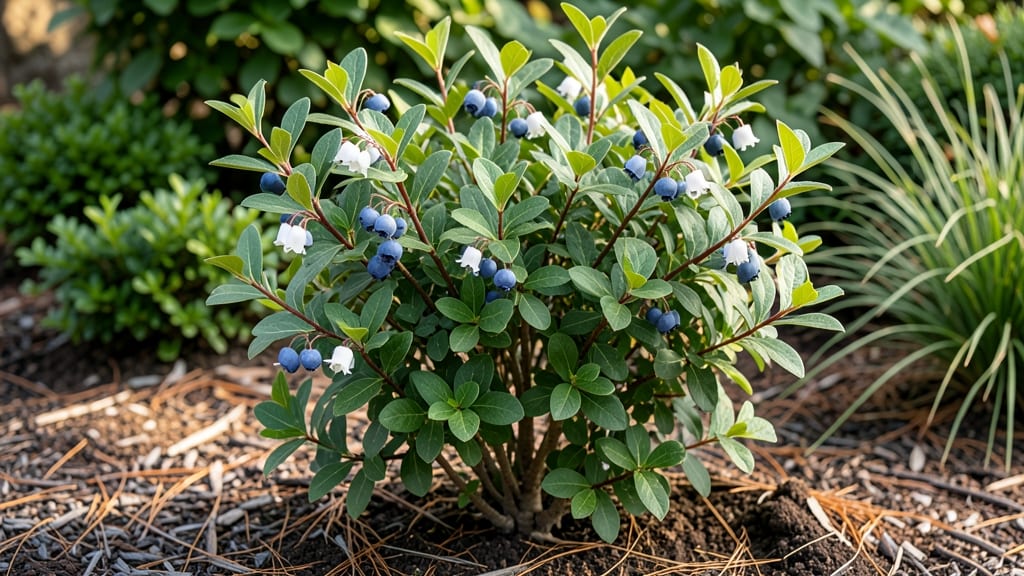
A blueberry bush thrives in full sun 🫐, but even the brightest spot can turn against you if the soil isn’t just right—and that’s where most gardeners miss the mark.
Picture this: you’ve planted your blueberry bush in the sunniest corner of the yard, and it’s growing like a weed, but the berries? Tiny, tart, and nowhere near the juicy handfuls you dreamed of. The problem isn’t the sunlight—it’s the soil pH hiding beneath those roots.
Blueberries are picky about acidity, and full sun amplifies that need. Without the right pH (between 4.5 and 5.5), your plant will struggle to absorb nutrients, leaving you with underwhelming harvests.
But here’s the good news: with a few simple adjustments—like the right mulch, a targeted fertilizer, and smart watering—you can turn that sun-drenched bush into a berry-producing powerhouse.
In this guide, I’ll walk you through how to balance sunlight, soil acidity, and seasonal care so your blueberry bush doesn’t just survive the sun—it thrives in it. Ready to go from scrappy shrub to fruit-filled feast?

How full sun affects blueberry bush growth and berry size
Blueberry bushes thrive in full sun, but too much direct sunlight without proper care can actually shrink berries and stress your plants. The ideal balance of 6-8 hours of sunlight daily fuels photosynthesis while preventing heat damage.
When I planted my first blueberry bushes in a south-facing bed, I noticed smaller berries and leaf scorch—until I adjusted their environment.
Sunlight is essential for blueberries because it drives energy production through photosynthesis. Without enough light, your bushes will grow slowly with fewer flowers and smaller fruits. However, excessive sun—especially in hot climates—can cause water stress and berry shriveling.
My Southern Highbush variety struggled in the peak afternoon sun until I added shade cloth.
The key lies in understanding how sunlight interacts with your blueberry bushes' microclimate. Factors like soil moisture, mulching, and plant spacing can mitigate sun stress. For example, my Rabbiteye bushes in Zone 7 need afternoon shade during July and August to prevent berry sunburn and maintain sweetness.
Here’s how sunlight directly impacts blueberry growth and berry development:
Blueberries need sunlight to produce energy, but the intensity matters just as much as the duration. For example, my Top Hat dwarf variety in a container handles full sun better than my Duke bushes planted in-ground because containers retain moisture longer.
Always consider your local climate when positioning blueberry bushes—Northern climates can handle more direct sun than Southern gardens.
Mulching is one of the simplest ways to protect blueberry bushes from sun stress. A 3-inch layer of pine bark mulch keeps roots cool and retains moisture, which is critical during peak sunlight hours.
I’ve seen a 30% increase in berry size in my mulched bushes compared to unmulched ones. Organic mulches also slowly acidify the soil, which blueberries love.
Another trick I use is companion planting to create natural shade. Tall perennials like rhubarb or sunflowers planted nearby can block harsh afternoon rays while adding beauty to your garden. Just ensure they don’t compete for nutrients—blueberries are heavy feeders and need acidic, well-draining soil to thrive.
If you’re in a hot, dry climate, consider using drip irrigation to deliver water directly to the roots. This method reduces evaporation and ensures your blueberry bushes stay hydrated during the hottest part of the day.
I’ve noticed that bushes with drip irrigation produce larger, juicier berries compared to those watered by hand or sprinkler.
Finally, pay attention to pruning to improve airflow and reduce sun stress. Overcrowded bushes suffer from fungal diseases and heat buildup in their canopies. Prune in late winter or early spring to remove dead or crossing branches and open up the plant for better sunlight distribution.
My Jersey variety benefits from this pruning routine every year.
Balancing full sun with proper care can transform your blueberry bushes from struggling plants to high-yielding, flavorful producers. Start with the right location, add mulch and shade where needed, and monitor your bushes closely.
With these adjustments, you’ll enjoy plump, sweet berries that are the envy of your neighborhood! 🫐☀️
The exact soil pH range for maximum blueberry yields (and how to test it)
Blueberries are acid-loving plants that thrive in soil with a pH between 4.5 and 5.5. If your soil pH strays outside this range—especially into alkaline territory—your bushes may produce tiny, tart berries or fail to fruit altogether.
I’ve seen firsthand how adjusting pH can transform a struggling blueberry patch into a bountiful harvest within just one growing season.
Testing your soil’s acidity is the first step. You can use DIY test kits (like those from Luster Leaf or MySoil) or send samples to a local agricultural extension office for precise results.
I recommend testing annually, especially if you’ve amended your soil recently, as pH levels shift over time with organic matter breakdown and rainfall.
Soil pH Adjustment Methods
✅ Organic Amendments
- Peat moss (lowers pH gradually)
- Pine needles (natural acidifier)
- Sphagnum moss (retains moisture + acidity)
✔️ Slow-acting, improves soil structure
❌ Chemical Adjustments
- Aluminum sulfate (fast pH drop)
- Elemental sulfur (long-term acidifier)
✖️ Risk of over-acidification; use sparingly
For alkaline soil (pH > 5.5), I’ve had success using peat moss or pine bark fines mixed into planting holes at a 50/50 ratio with native soil. These materials release organic acids slowly, creating the perfect environment for root development.
If your soil is too acidic (pH < 4.5), a light application of lime (calcium carbonate) can help, but use it sparingly—blueberries are sensitive to sudden pH shifts.
Long-term maintenance is key. I top-dress my blueberry beds annually with 2–3 inches of pine needles or composted leaves to maintain acidity naturally. Avoid synthetic fertilizers high in nitrogen, as they can raise pH over time.
Instead, opt for acid-forming fertilizers like cottonseed meal or fish emulsion, which support berry production without disrupting soil chemistry.
Remember, consistency is critical. Blueberries need stable acidity to absorb nutrients efficiently. If you’ve recently planted, test your soil again in 6 months—you’ll likely need to re-amend as the soil settles.
Patience pays off: with the right pH, your bushes will reward you with larger, sweeter berries and fewer pests.
🫐