
Shrubs
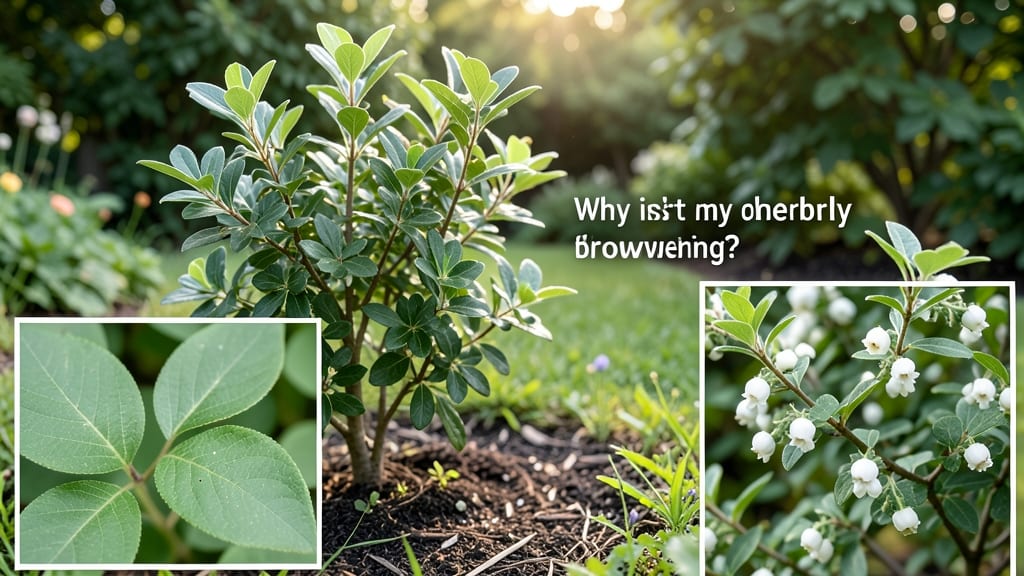
A blueberry bush not flowering can turn a dreamy harvest into a frustrating mystery—but the good news is, most causes have simple fixes.
Picture this: You’ve nurtured your 🫐 blueberry bush for years, only to wake up in spring with no blooms in sight. What went wrong? The answer might be hiding in plain sight, from soil pH to pruning mistakes.
Blueberries are picky, but not impossible. The key is understanding their needs—like acidic soil, proper chilling hours, and the right pruning timing—to coax those buds back to life.
Below, I’ll walk you through the top 5 reasons your bush is skipping flowers, plus step-by-step solutions to get it blooming again this season.
5 Most common reasons why blueberry bushes stop flowering
If your blueberry bush is standing tall but refusing to produce those coveted spring blooms, don't panic—you're not alone. Blueberries are finicky, and even well-loved bushes can skip flowering due to overlooked care factors.
The good news? Most issues are fixable with targeted adjustments. Let's diagnose the 5 most common reasons your bush might be playing hard-to-get with flowers—and how to coax it back into bloom.
Blueberries are perennial shrubs that rely on precise conditions to trigger flowering. When these needs aren't met, the plant focuses energy on foliage instead of reproductive growth. Understanding these triggers is key to restoring fruit production.
Whether it's a chilling hour deficit, nutrient imbalance, or pruning mistakes, each problem has a specific solution tailored to your bush's needs.
Young bushes (2-3 years old) need time to establish. Mature bushes (over 10 years) often decline in vigor. Rejuvenate by pruning out old wood and fertilizing with acid-loving plant food.
Blueberries require 800-1,000 hours below 45°F annually. In warm climates, use artificial chilling (refrigerator storage) or choose southern-highbush varieties like 'Southern Belle'.
Over-pruning removes flower buds (found on 1-year-old wood). Prune only dead or diseased wood in late winter, and never cut more than 25% of the bush at once.
Blueberries need acidic soil (pH 4.5-5.5) and balanced NPK fertilizer. Yellow leaves? Add iron sulfate. Poor growth? Use organic compost or cottonseed meal.
Drought, extreme heat, or poor drainage stress bushes. Mulch with pine needles, water deeply 1-2 times weekly, and ensure well-draining soil.
Let's start with the most common culprit: age-related decline. If your bush is past its prime (typically 10+ years old), it may have lost its vigor. Older bushes often produce fewer flowers because their energy shifts toward maintaining existing growth rather than new blooms.
The solution? Rejuvenation pruning—cut back up to one-third of the oldest canes to stimulate new, flowering wood. Pair this with a spring fertilizer application using an acid-loving plant food like cottonseed meal or a 10-10-10 NPK blend.
This combo tricks the bush into thinking it's younger and encourages robust flowering.
Another frequent offender is insufficient chilling hours, especially in warmer climates. Blueberries are dormant plants that require a specific number of cold hours to break dormancy and flower. If your region doesn't provide enough chilling (800-1,000 hours below 45°F), your bush might skip flowering entirely.
For gardeners in USDA Zones 8-10, consider southern-highbush varieties like 'Southern Blue' or 'Misty'. If you're already growing a traditional variety, you can try artificial chilling by storing cuttings in a refrigerator for 4-6 weeks before planting.
Many gardeners unintentionally sabotage their blueberries with improper pruning. Unlike fruit trees, blueberry bushes flower on 1-year-old wood, meaning last year's growth produces this year's blooms. If you prune too aggressively—especially in late winter—you risk removing next season's flowers.
The key is selective pruning: remove only dead, diseased, or crossing branches, and never cut more than 25% of the bush at once. Always prune just after harvest (late summer) or in early spring before buds swell.
Don't overlook nutrient deficiencies, which can silently rob your bush of its flowering potential. Blueberries thrive in acidic soil (pH 4.5-5.5), and even a slight pH drift can stunt growth. Test your soil annually—if the pH is too high, amend with elemental sulfur
How to prune and fertilize for maximum blueberry blooms
Pruning and fertilizing are the two most powerful tools to coax your blueberry bush into producing abundant spring blooms. When done correctly, these practices stimulate new growth and set the stage for fruit production.
The key is timing—prune at the right moment and feed with the right nutrients to avoid shocking your plant.
Many gardeners make the mistake of pruning too late in the season or using the wrong fertilizer type. Blueberries thrive on acidic, nutrient-rich soil with a balanced fertilizer that won’t raise the pH. Organic options like cottonseed meal or fish emulsion are excellent choices, while synthetic fertilizers should be specifically formulated for acid-loving plants.
Pruning & Fertilizing for Blueberry Blooms
DO ✅
- Prune in late winter (before buds swell)
- Use sharp, clean shears to avoid disease
- Remove dead or crossing branches first
- Apply acid-loving fertilizer (pH 4.5-5.5)
- Water deeply after fertilizing to prevent root burn
DON'T ❌
- Prune in fall or spring (removes next year's blooms)
- Use high-nitrogen fertilizers (promotes leafy growth, not flowers)
- Over-fertilize with lime or basic amendments
- Skip mulching with pine needles (helps maintain acidity)
- Prune more than 1/3 of the bush at once
Start your pruning in late winter (just before buds swell) to remove dead, diseased, or weak wood.
Focus on opening the center of the bush for better airflow and sunlight penetration. Blueberry blooms form on one-year-old wood, so avoid cutting back into old, woody stems—this removes potential bloom sites for next season.
For fertilizing, split your efforts into two seasons: early spring (after pruning) and late spring (when new growth appears). Use a balanced acid-loving fertilizer like 10-10-10 or a specialized blueberry blend. Organic options such as peat moss or sulfur can also help maintain the ideal acidic soil pH of 4.5-5.5.
After fertilizing, water deeply to help nutrients reach the roots. Avoid fertilizing in fall or winter, as this can stimulate late-season growth that won’t harden off before frost. Instead, focus on mulching with pine needles (2-3 inches) to preserve moisture and acidity.
Consistent care pays off—within 1-2 seasons, your blueberry bush should reward you with vibrant blooms and a bountiful harvest. The key is patience and precision: prune correctly, feed wisely, and maintain that acidic environment your blueberries crave. 🌱