
Diseases
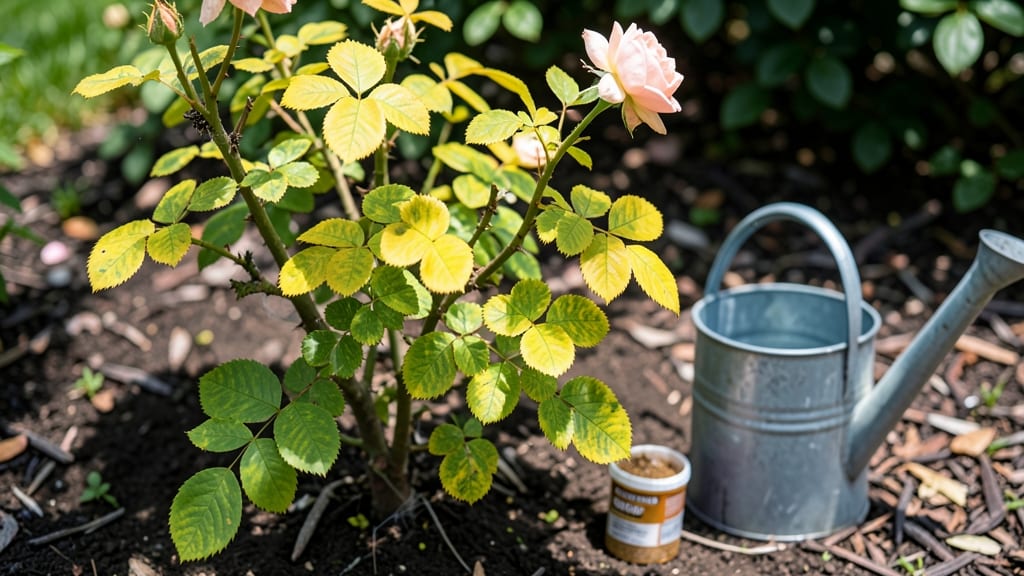
Your rose bush has yellow leaves and you’re desperate to save it—don’t panic. 🌿 The good news is most causes have quick fixes, and I’ve seen roses bounce back from this in just a few weeks with the right approach.
Yellow leaves usually mean one of three things: too much water, not enough nutrients, or an unseen pest or disease. The key is identifying the root cause fast so you can act before the problem spreads.
First, check the soil—it’s often the culprit. Overwatering drowns roots, while underwatering stresses them both, leading to yellowing. Stick your finger an inch deep: if it’s soggy, cut back watering; if it’s bone-dry, give it a deep drink.
Nutrient deficiencies (like iron or nitrogen) also turn leaves yellow, especially on older foliage. A simple soil test or balanced fertilizer can turn things around in 2-3 weeks.
Pests and diseases sneak up quietly. Spider mites, aphids, or fungal spots (like black spot) love roses and leave yellowing in their wake. Inspect the undersides of leaves—tiny webs or sticky residue mean pests, while dark spots mean fungus.
A strong spray of water or neem oil tackles pests, while pruning affected leaves stops fungal spread. Most roses recover fully once the threat is gone.
Prevention is your best tool. Mulch around the base to keep soil moist but not soggy, prune regularly to improve airflow, and fertilize in early spring. With these tweaks, your roses will stay vibrant green all season. Let’s get those leaves back to their best!
Root Causes Behind Leaf Discoloration
When your rose bush starts sporting yellow leaves, it’s often a cry for help—your plant is trying to tell you something’s off. Understanding the why behind the discoloration is the first step to saving your roses.
Below, we break down the most common culprits, from environmental stressors to hidden pests, with science-backed explanations to help you diagnose the issue accurately.
Yellow leaves on roses are frequently linked to root stress, and overwatering is a top offender. Roses need well-draining soil, but when roots sit in soggy conditions, they suffocate, starving the plant of oxygen.
This triggers chlorosis—a condition where leaves lose their green pigment (chlorophyll) due to nutrient uptake failure.
Here’s how it happens:
- Waterlogged soil disrupts root respiration, leading to anaerobic conditions (lack of oxygen). Roots can’t absorb water or nutrients efficiently, causing leaves to yellow, especially on lower branches.
- Compacted or clay-heavy soil worsens drainage issues, trapping excess moisture and promoting root rot (often caused by Phytophthora fungi).
- Overhead watering keeps foliage damp, encouraging fungal diseases like black spot, which can mimic nutrient deficiencies.
💡 Pro Tip: Stick your finger 2 inches into the soil—if it’s damp, wait to water. Amend heavy soil with compost or perlite to improve aeration, and ensure your rose bush has a slight slope for better runoff.
Yellowing leaves can signal a mineral imbalance, particularly if the discoloration starts between leaf veins (interveinal chlorosis). Roses are heavy feeders, and deficiencies in key nutrients often trigger this symptom. Here’s what to watch for:
| Nutrient | Symptoms | Why It Happens |
|---|---|---|
| Nitrogen (N) | Older leaves turn yellow first, then brown and crispy. | Nitrogen is crucial for chlorophyll production. A deficiency stalls leaf growth, causing older leaves to remobilize nutrients, turning yellow. |
| Iron (Fe) | Young leaves yellow between veins (chlorosis) while veins stay green. | Iron is essential for chlorophyll synthesis. In alkaline soil (pH > 7.0), iron becomes unavailable to roots, even if present. Roses can’t access it, leading to yellowing. |
| Magnesium (Mg) | Yellow patches appear older leaves first, with veins remaining green. | Magnesium is a central atom in chlorophyll. Deficiencies often occur in sandy or acidic soils where nutrients leach away. |
| Zinc (Zn) | New growth is small, and leaves show interveinal yellowing with possible cupping. | Zinc aids enzyme function in chlorophyll production. Cool, wet soils or high phosphorus levels can bind zinc, making it inaccessible. |
🔥 Fix It: Conduct a soil test to identify deficiencies. For iron chlorosis in alkaline soil, apply chelated iron or sulfur to lower pH. Use a balanced rose fertilizer (10-10-10) in early spring and mid-summer to replenish nitrogen and micronutrients.
Not all yellow leaves are caused by environmental factors—some are invaders. Pests and pathogens can drain nutrients or block sunlight, leading to discoloration. Here’s what to suspect:
🐜 Sap-Sucking Insects (Aphids, Spider Mites, Scale)
These tiny pests pierce leaves to feed on sap, injecting toxins that cause yellowing, curling, or stippling. Heavy infestations weaken the rose, making it prone to secondary infections.
🔍 Look for:
- Sticky honeydew on leaves (aphids).
- Fine webbing (spider mites).
- White, waxy bumps (scale insects).
💡 Solution: Blast pests off with a strong stream of water or use neem oil (1 tsp per quart of water). Introduce ladybugs or lacewings for natural control.
🍄 Fungal Infections (Black Spot, Powdery Mildew)
Fungal diseases thrive in humid, shady conditions and can cause yellowing as they disrupt photosynthesis. Black spot (Diplocarpon rosae) creates dark spots with yellow halos, while powdery mildew coats leaves in a white, powdery film, blocking light.
🔥 Prevention:
- Space roses for good airflow (3–4 feet apart).
- Water at the base (avoid wetting foliage).
- Apply copper fungicide or baking soda spray (1 tbsp baking soda + 1 quart water + drop of soap) every 7–10 days.
⚠️ Warning: Remove and destroy infected leaves immediately to prevent spread.
Roses are resilient, but heat stress or cold damage can cause yellowing as the plant conserves energy. Here’s how to spot it:
🔥 Heat Stress
In prolonged temperatures above 90°F (32°C), roses may wilting and develop yellow leaves as a survival mechanism. High heat also increases transpiration (water loss), leading to nutrient deficiencies.
🌡️ Solutions:
- Provide afternoon shade (use shade cloth if needed).
- Mulch with 2–3 inches of organic matter to retain moisture.
- Water deeply in the morning to reduce evaporation.
❄️ Cold or Frost Damage
If yellowing appears after a hard freeze, the damage is likely irreversible. However, if only the leaf edges turn yellow/brown, it may be winter desiccation—when dry winds suck moisture from exposed canes.
🛡️ Protect Your Roses:
- Apply mulch (6+ inches) before winter.
- Use burlap wraps or rose cones to shield canes from wind.
- Avoid pruning in late fall—wait until spring to assess damage.
Now that you’ve identified the likely cause, the next step is action! Check out our diagnostic guide to match symptoms and find targeted fixes for your rose bush’s yellowing leaves.
Quick Fixes for Reviving Your Rose Bush
Yellow leaves on your rose bush can be alarming, but with the right approach, you can restore your plant’s health and prevent further damage. Below are targeted solutions for each common cause of yellowing leaves, along with practical steps to revive your roses and keep them thriving.
Fix: Adjust your watering habits and improve soil drainage to prevent root rot and suffocation.
- 🍳 Step 1: Check the Soil Moisture Stick your finger 1-2 inches deep into the soil. If it feels soggy or smells foul, your roses are overwatered. Wait until the top 1-2 inches are dry before watering again.
- 👨🍳 Step 2: Improve Drainage Amend heavy or compacted soil with organic matter like compost, perlite, or coarse sand. For container roses, ensure pots have drainage holes and use a well-draining potting mix.
- 🥘 Step 3: Water Deeply but Less Frequently Water slowly and deeply (about 1-1.5 inches per week, including rain) rather than frequent shallow watering. This encourages strong root growth.
- ⏰ Step 4: Prune Affected Leaves Remove yellowed or mushy leaves with clean pruners to redirect energy to healthy growth.
💡 Prevention Tip:
- Test your soil’s drainage by digging a small hole, filling it with water, and timing how long it takes to drain. If it takes more than 6 hours, improve drainage immediately.
Fix: Hydrate your roses properly and protect them from extreme heat.
- 🍳 Step 1: Water at the Right Time Water early in the morning (before 10 AM) to reduce evaporation and fungal risks. Avoid evening watering, which can promote mildew.
- 👨🍳 Step 2: Mulch to Retain Moisture Apply 2-3 inches of organic mulch (like wood chips or straw) around the base (but not touching the stem) to lock in moisture and regulate soil temperature.
- 🥘 Step 3: Provide Shade During Peaks If your roses are in a hot, sunny spot, use light shade cloth (30-50% coverage) during the hottest hours (11 AM–3 PM).
- ⏰ Step 4: Increase Humidity (If Needed) For container roses, place them on pebble trays with water or mist leaves lightly in extreme heat (avoid wetting flowers).
💡 Prevention Tip:
- Group roses with other plants to create a microclimate that retains moisture and reduces heat stress.
Fix: Treat infections promptly with fungicides and improve airflow.
- 🔪 Step 1: Remove Infected Leaves Prune all yellow, spotted, or powdery leaves and dispose of them in the trash (not compost) to prevent spread.
- 🍳 Step 2: Apply Fungicide Use a copper-based or neem oil fungicide (follow label instructions). For severe cases, try baking soda spray (1 tsp baking soda + 1 quart water + a drop of dish soap).
- 👨🍳 Step 3: Improve Air Circulation Prune overcrowded branches and space roses 3-4 feet apart to allow airflow. Avoid watering leaves (water at the base instead).
- 🥘 Step 4: Water Properly Water only at the base in the morning to keep foliage dry. Use a soaker hose or drip irrigation to minimize leaf wetness.
💡 Prevention Tip:
- Space out watering—avoid frequent light waterings that keep leaves damp. Early morning watering is key!
Fix: Test your soil and amend with the right fertilizers.
- 📊 Step 1: Conduct a Soil Test Use a home soil test kit or send a sample to a local extension office to identify deficiencies (e.g., low iron = chlorosis).
- 🍳 Step 2: Apply Iron Supplement (For Chlorosis) If leaves are yellow with green veins, sprinkle iron chelate or Epsom salt (1 tbsp per gallon of water) around the base. Reapply every 4-6 weeks.
- 👨🍳 Step 3: Fertilize with Balanced Rose Food Use a slow-release rose fertilizer (10-10-10 or 5-10-5) in early spring and mid-summer. Avoid high-nitrogen fertilizers if your soil is already rich.
- 🥘 Step 4: Improve Soil pH (If Needed) Roses prefer slightly acidic soil (6.0–6.5). If your soil is too alkaline, add sulfur or peat moss to lower pH.
💡 Prevention Tip:
- Mulch annually with compost to gradually improve soil fertility and structure.
Fix: Identify pests and use natural or chemical controls.
- 🔪 Step 1: Inspect Leaves for Pests Check the undersides of leaves for aphids (sticky residue), spider mites (fine webbing), or beetles (chewed leaves).
- 🍳 Step 2: Blast Off Pests with Water For aphids and spider mites, spray leaves with a strong stream of water to dislodge them.
- 👨🍳 Step 3: Use Insecticidal Soap or Neem Oil Mix 1 tbsp insecticidal soap or neem oil per quart of water and spray directly on pests (test on a small area first).
- 🥘 Step 4: Introduce Beneficial Insects Release ladybugs or lacewings (available at garden centers) to eat aphids naturally.
💡 Prevention Tip:
- Encourage natural predators by planting marigolds, nasturtiums, or dill nearby—these attract beneficial insects!
- Prune for Better Airflow: Trim dead, diseased, or crossing branches to improve circulation.
- Feed with Compost Tea: Brew compost tea (steep compost in water for 24 hours) and use as a foliar spray or soil drench for nutrients.
- Monitor Regularly: Check leaves weekly for new yellowing or pests—early action prevents spread.
With these targeted fixes, your rose bush should bounce back with vibrant green leaves in no time! 🌹💚
Frequently asked questions
Why are my rose bush leaves yellowing only on the bottom?
Bottom leaf yellowing usually signals root stress from overwatering or poor drainage. When roots suffocate in soggy soil, they can't absorb nutrients, causing older (bottom) leaves to yellow first as the plant prioritizes new growth. Check soil moisture—if soggy, reduce watering and improve drainage with compost or perlite.
Can yellow leaves spread to healthy parts of my rose bush?
Yes, if caused by fungal diseases (like black spot) or pests, yellowing can spread quickly. Remove infected leaves immediately and treat with copper fungicide or neem oil. For nutrient deficiencies, yellowing won't spread but will worsen without correction. Act fast to prevent further damage!
How do I tell if my rose bush needs iron or nitrogen?
Check the leaf pattern: Yellow between veins (green veins remain) = iron deficiency (common in alkaline soil). Yellow on older leaves first = nitrogen deficiency. Test soil pH—if above 7.0, use chelated iron; for nitrogen, apply a balanced rose fertilizer (10-10-10) in spring.
Will pruning yellow leaves help my rose bush recover?
Yes! Pruning removes stressed leaves, redirecting energy to healthy growth. Cut back to green leaf nodes (buds) below yellow areas. For severe cases, prune 1/3 of the bush to improve airflow. Always sterilize pruners with rubbing alcohol to prevent disease spread.
Could my rose bush be getting too much sun?
Unlikely—roses thrive in full sun (6+ hours daily). However, heat stress in extreme temps (>90°F/32°C) can cause yellowing. Provide afternoon shade with light shade cloth and water deeply in the morning. Yellowing from sunburn usually appears as brown crispy edges, not uniform yellow.