
Diseases
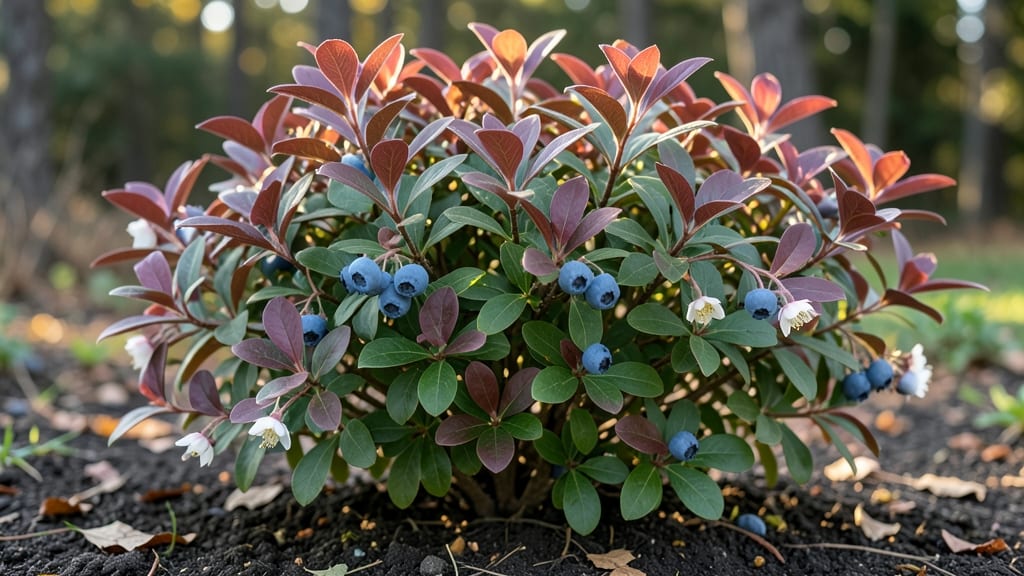
Your blueberry bush turning reddish leaves isn’t just cosmetic—it’s a distress call from the plant. 🌿 I’ve seen this happen after a harsh winter or when fungal blight creeps in, and the good news is you can diagnose and treat it before the bush declines.
The key is acting quickly, because what starts as a few discolored leaves can spread to the whole plant if ignored.
First, check the soil—reddish leaves often mean nitrogen deficiency or fungal infection. Fungal blight thrives in wet conditions, so look for dark spots or powdery growth on the undersides of leaves. If it’s a nutrient issue, the leaves might also feel brittle, while fungal damage often spreads in patches.
Grab a soil test kit to confirm what’s missing—it’s the fastest way to rule out deficiencies.
Treatment starts with pruning away infected leaves and stems (sterilize your pruners with rubbing alcohol first). For fungal blight, a copper fungicide or baking soda spray (1 tbsp baking soda + 1 quart water + a drop of dish soap) works fast.
If it’s nitrogen, apply a balanced fertilizer (10-10-10) in early spring, but avoid overdoing it—too much can burn roots. Water at the base, not overhead, to keep leaves dry and discourage fungal growth.
Prevention is easier than cleanup: mulch around the base to retain moisture without soggy soil, and space bushes properly for airflow. If you’ve had this issue before, consider planting resistant varieties like ‘Duke’ or ‘Bluecrop’—they handle stress better.
The goal is to get those leaves back to a healthy green within 2-3 weeks of treatment, so don’t wait to act.
Understanding Leaf Color Shifts
When your blueberry bush starts showing reddish leaves, it’s often a cry for help—whether from stress, disease, or environmental factors. Below, we break down the most common reasons behind this color change, so you can diagnose the issue and take action.
---
Reddish or purplish leaves in blueberry bushes are often a sign of nutrient imbalances, particularly phosphorus or magnesium deficiency. These nutrients play a critical role in chlorophyll production and overall plant health.
- Phosphorus Deficiency: - Phosphorus helps with energy transfer and root growth.
Without enough, leaves may develop a deep red or purple hue, especially along the veins. - Actionable Fix: Apply a balanced fertilizer (look for a 10-10-10 or 5-10-10 ratio) or a bone meal to boost phosphorus levels. Test your soil first to confirm the deficiency.
- Magnesium Deficiency: - Magnesium is essential for chlorophyll production. A deficiency often causes interveinal red or purple discoloration, starting on older leaves. - Actionable Fix: Use Epsom salt (magnesium sulfate)—mix 1 tablespoon per gallon of water and spray it on the leaves.
Repeat every 2-4 weeks until improvement is seen.
---
Fungal diseases like anthracnose, leaf spot, or powdery mildew can cause reddish or brownish discoloration on blueberry leaves. These pathogens thrive in humid, wet conditions and weaken the plant’s ability to photosynthesize.
- Anthracnose: - Causes dark red or purple spots with yellow halos, often leading to leaf curling and premature drop. - Actionable Fix: Prune infected leaves immediately and apply a copper-based fungicide (e.g., Bordeaux mixture). Improve airflow by spacing plants properly and avoiding overhead watering.
- Leaf Spot Diseases: - Red or brown spots with reddish margins may appear, especially in warm, damp weather. - Actionable Fix: Remove and destroy infected leaves. Use a fungicide with chlorothalonil or neem oil for prevention. Water in the early morning to allow foliage to dry quickly.
---
Extreme temperatures, drought, or sun scorch can trigger reddish leaves as the plant struggles to cope. Blueberries are sensitive to heat stress and poor soil moisture, which can lead to cellular damage.
- Heat or Sun Scorch: - Leaves may develop reddish or crispy edges, especially on the south or west sides of the bush. - Actionable Fix: Provide afternoon shade (use shade cloth if needed) and ensure consistent watering (1-2 inches per week).
Mulch around the base to retain moisture.
- Drought Stress: - Insufficient water causes leaves to wilting and turn reddish or brown at the edges. - Actionable Fix: Water deeply 2-3 times per week (rather than frequent shallow watering). Use drip irrigation to target roots directly.
---
Blueberries are acid-loving plants (ideal pH: 4.5–5.5). If the soil pH rises above 6.0, nutrient uptake—especially iron and manganese—becomes difficult, leading to reddish or yellowish leaves.
- High pH (Alkaline Soil): - Causes chlorosis (yellowing between veins) with reddish undertones, as the plant can’t absorb iron. - Actionable Fix: Test your soil’s pH and amend with elemental sulfur (for lowering pH) or peat moss (for acidity). Reapply annually if needed.
---
While less common, spider mites, aphids, or scale insects can stress blueberry bushes, leading to reddish or stippled leaves as the plant diverts energy to recovery.
- Spider Mites: - Tiny pests that suck sap, causing reddish or bronze discoloration, especially on the undersides of leaves. - Actionable Fix: Spray with water to knock them off, or use neem oil or insecticidal soap. Introduce predatory mites for natural control.
- Aphids: - Cluster on new growth, causing leaves to curl and turn reddish. - Actionable Fix: Blast them off with a strong stream of water or apply soapy water spray. Encourage ladybugs for biological control.
--- Pro Tip 💡: Before treating, take a close look at the pattern of discoloration—is it uniform redness, spotted, or vein-specific? This can help narrow down the exact cause and save your blueberry bush faster!
Fixing Reddish Leaves Fast
Now that you’ve identified why your blueberry bush has reddish leaves—whether it’s fungal blight, nutrient deficiencies, or environmental stress—it’s time to act! The good news? Most issues are reversible with the right care.
Below, we’ll break down practical, step-by-step solutions tailored to the root cause, plus prevention tips to keep your bush thriving.
---
If reddish, crinkled, or spotted leaves are your culprit, fungal blight is likely the villain. Act quickly to prevent it from spreading to other plants.
#### 🔥 Step 1: Prune Infected Areas - Remove affected leaves and stems using sterilized pruners (wipe with rubbing alcohol between cuts). - Dispose of debris in a sealed bag—do not compost it, as spores can survive. - Focus on airflow: Thin out dense foliage to reduce humidity around the bush.
#### 🍳 Step 2: Apply Fungicide - Copper-based fungicides (like copper sulfate or copper hydroxide) are effective for fungal blight. - Organic option: Mix 1 tsp baking soda + 1 quart water + a few drops of dish soap (spray on leaves). - Reapply every 7–10 days until new growth appears healthy.
#### 👨🍳 Step 3: Adjust Watering Habits - Water at the base (avoid overhead spraying, which spreads spores). - Ensure proper drainage—fungi thrive in soggy soil. If your bush is in a pot, check for drainage holes.
#### 💡 Prevention Tip ✨ Space plants 3–4 feet apart to improve airflow. ✨ Mulch with pine needles (natural fungicide) or wood chips to keep soil dry.
---
Reddish leaves can also signal low nitrogen, phosphorus, or magnesium. A simple soil test (available at garden centers) confirms the issue.
#### 🥘 Step 1: Test Your Soil - DIY test: Grab a handful of soil, moisten it, and smell it. Sour or rotten smell = too much nitrogen. Dry, dusty = needs organic matter. - For accuracy, use a home soil test kit (like Luster Leaf).
#### 🔪 Step 2: Amend the Soil | Deficiency | Symptoms | Fix It With | |----------------------|----------------------------|------------------------------------------| | Nitrogen (N) | Pale green/yellow leaves | Blood meal or composted manure | | Phosphorus (P) | Dark red/purple leaves | Bone meal or rock phosphate | | Magnesium (Mg) | Yellow between veins | Epsom salt (1 tbsp/gallon water) | | Iron (Fe) | Bright red leaves | Iron chelate or used coffee grounds |
#### ⏰ Step 3: Fertilize at the Right Time - Spring (before blooms): Use a balanced 10-10-10 fertilizer. - After harvest: Switch to a low-nitrogen, high-potassium (5-10-10) to boost root health. - Avoid over-fertilizing—too much salt can burn roots!
#### 🎯 Prevention Tip 🌡️ Mulch annually with well-rotted compost to maintain nutrient levels. 💪 Rotate crops if growing blueberries in a garden bed (don’t plant them in the same spot yearly).
---
If reddish leaves appear after heatwaves, drought, or frost, your blueberry bush is crying out for better conditions.
#### 🌡️ Step 1: Adjust Watering - Drought stress? Water deeply 1–2 times per week (1 inch total). - Overwatering? Let the top 1–2 inches of soil dry out between waterings. - Morning watering is best—avoids evening moisture that invites fungus.
#### 🏡 Step 2: Provide Shade & Windbreaks - Young bushes need partial shade (especially in hot climates). - Use shade cloth (30–50%) or plant near taller shrubs. - Windburn? Wrap the bush in burlap or plant it sheltered from strong winds.
#### ✨ Prevention Tip 🔥 Mulch with straw or pine bark to retain moisture and regulate soil temp. 🌿 Group blueberries with companion plants like comfrey or thyme (they improve soil and deter pests).
--- If reddish leaves persist despite treatments, tiny spider mites, aphids, or scale insects might be sucking sap, causing stress.
#### 🐜 Step 1: Inspect Leaves - Look for webbing (spider mites), sticky residue (aphids), or white fluffy spots (scale). - Rub leaves between fingers—tiny bugs or eggs may cling to them.
#### 🧼 Step 2: Treat Infestations - Neem oil spray (1 tsp neem oil + 1 quart water + drop of soap). - Horticultural oil (for scale insects—apply when leaves are dry). - Blast off aphids with a strong stream of water (repeat every few days).
#### 💡 Prevention Tip 🌿 Encourage beneficial insects like ladybugs (plant dill, fennel, or marigolds nearby). 🌱 Keep weeds down—they harbor pest eggs.
--- | Cause | Immediate Fix | Prevent Next Time | |----------------------|--------------------------------------------|----------------------------------------| | Fungal Blight | Prune + copper fungicide | Improve airflow, mulch with pine needles | | Nutrient Deficiency | Soil test + targeted fertilizer | Mulch yearly, rotate crops | | Drought/Heat | Deep watering + shade cloth | Mulch, water in mornings | | Pests | Neem oil or water spray | Plant pest-repelling companions |
--- Remember: Consistency is key! Monitor your blueberry bush weekly, and don’t hesitate to adjust treatments if symptoms return. With the right care, those reddish leaves will fade—and soon, you’ll be harvesting juicy, plump blueberries again! 🫐✨
Frequently asked questions
Why do some blueberry leaves turn reddish while others stay green?
This often happens when older leaves suffer from nutrient deficiencies (like phosphorus or magnesium) while new growth remains healthy. Check if the redness appears on lower leaves first—this is classic for nutrient issues. Younger leaves stay green because the plant prioritizes feeding them.
Can I still harvest blueberries if the leaves are reddish?
Yes, but only if the redness is from environmental stress (like drought) and not disease. If fungal blight is present, remove infected berries immediately—they may harbor spores. For nutrient deficiencies, wait until leaves return to green before harvesting to ensure sweetness.
How quickly should I expect to see improvement after treatment?
With proper care, you should notice changes within 2-3 weeks. Nutrient deficiencies respond fastest (7-10 days), while fungal diseases may take longer (3-4 weeks) since you need to eliminate spores. Monitor weekly and adjust treatments if symptoms persist.
Is it safe to use baking soda spray on blueberry bushes?
A baking soda spray (1 tbsp baking soda + 1 quart water + dish soap) is a gentle, organic fungicide that works well for early-stage fungal issues. Apply every 7-10 days, focusing on the undersides of leaves where spores hide. Use in the morning for best results.
Why do my blueberry leaves turn reddish in winter?
This is normal! Many blueberry varieties develop reddish or purple tones in cold weather as a natural protection against frost. The leaves won't produce energy but won't harm the plant. If they stay green all winter, check for heat stress from nearby structures or insufficient cold acclimation.