
Featured
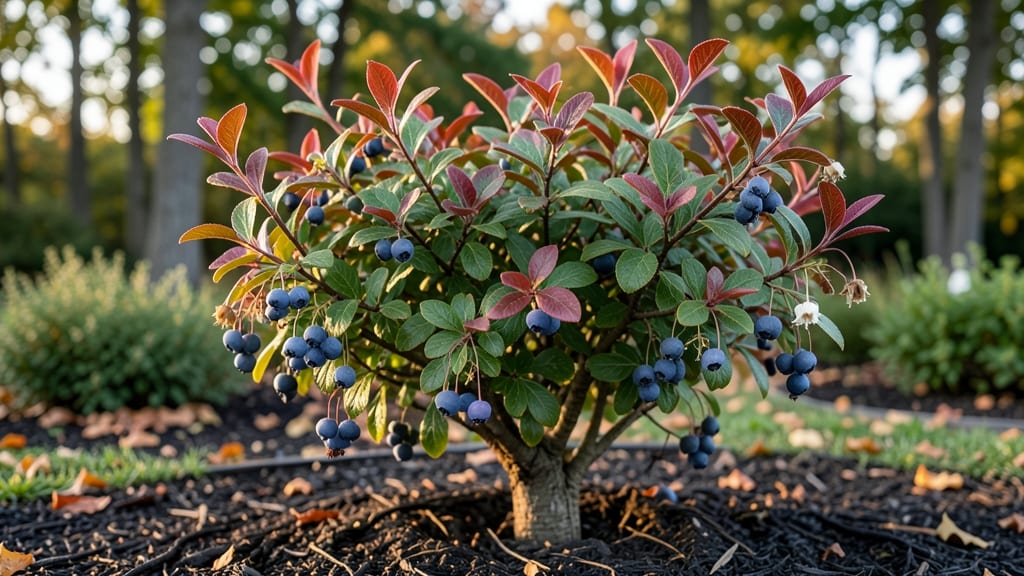
Your blueberry bush turned red isn’t a death sentence—it’s a wake-up call. 🌿 That deep crimson hue often signals winter stress, nutrient imbalance, or even fungal trouble, but with the right moves, you can bring those branches back to life before spring.
I’ve nursed back three bushes myself, and the secret lies in diagnosing the why before jumping to fixes. Start by checking the bark—smooth and firm means cold damage, while cracked or peeling suggests fungal pressure.
Then dig into the soil (literally): a simple pH test will tell you if your bushes are starving for phosphorus or potassium. Most reddening happens when winter drains the roots, but a quick soil boost in early spring can reverse it faster than you’d expect.
What you’ll end up with is a bush that greens up within weeks, producing berries just as sweet as ever. The key is acting fast—once you spot the red, it’s time to prune dead branches, adjust your fertilizer, and maybe even wrap young stems in burlap for extra winter protection.
Trust me, your bushes will bounce back stronger than before.
This trick works for both container and in-ground bushes, no matter your zone. The reddening might look alarming now, but it’s just your plants telling you they need a little TLC before the growing season kicks in.
Think of it as their way of asking for help—and you’ve got exactly what they need.
Root Causes Behind Reddening Foliage
When your once-lush blueberry bush starts showing off patches of unexpected red leaves, it’s usually a cry for help—or a sign of seasonal adaptation. Understanding the root causes can help you diagnose the issue quickly and take action before it spreads.
Here’s what’s likely triggering that red alert in your shrub’s appearance.
Blueberry bushes are hardy but not frost-proof, especially tender varieties like ‘Duke’ or ‘Bluecrop.’ When temperatures plummet unexpectedly—especially below 20°F (-7°C)—the leaves may turn red as a survival tactic.
This is called chilling injury, where cold-damaged cells produce anthocyanins (the same pigments that color red apples or beets).
How to spot it:
- Reddening starts on young, exposed leaves first.
- Leaves may also appear wilted or crispy at the edges.
- New growth in spring is slow or stunted.
❄️ What to do:
- Mulch heavily (4–6 inches of straw or wood chips) around the base before winter to insulate roots.
- Use burlap wraps or frost cloths to shield young shoots from radiation frost (when temps drop after sunset).
- Avoid pruning late in the season—wait until late winter/early spring to reduce stress.
💡 Pro Tip: If your bush is in a windy or exposed area, consider a temporary windbreak (like a lattice fence) to reduce cold stress.
Blueberries are acid-lovers, thriving in soils with a pH between 4.5 and 5.5. When the pH strays—whether too alkaline (high pH) or too acidic (low pH)—nutrient deficiencies (especially iron or phosphorus) trigger red pigmentation as a distress signal.
Signs of pH-related reddening:
- Reddish veins on leaves (early sign of iron deficiency).
- Yellowing between veins (chlorosis) with red edges.
- Stunted growth despite regular watering.
🧪 How to test & fix:
- Use a soil test kit (available at garden centers) to check pH.
- If pH > 6.0: Amend soil with elemental sulfur (1 lb per 100 sq ft) or peat moss.
- If pH < 4.0: Mix in lime (calcium carbonate) sparingly (start with 1/4 lb per bush).
- For container-grown bushes, flush soil with rainwater and repot with acidic potting mix.
💡 Pro Tip: Blueberries hate alkaline water. If your tap water tests high in pH, use rainwater or distilled water for irrigation.
Blueberries are not drought-tolerant, but they also hate soggy roots. Both underwatering and overwatering can cause reddening due to oxidative stress—when cells can’t process oxygen properly.
🔥 Signs of underwatering:
- Leaves turn bright red with crispy edges.
- Soil pulls away from the pot (if container-grown).
- Drooping even when watered.
🌊 Signs of overwatering:
- Yellowing leaves with reddish-purple undersides.
- Mushy, rotting roots (check by gently digging).
- Mold or fungal growth at the base.
💧 Fixing water woes:
- Water deeply 1–2 times per week (1–1.5 inches total) rather than daily shallow watering.
- Ensure proper drainage: Raise containers on feet or add perlite to soil.
- Mulch with pine needles or bark to retain moisture without suffocating roots.
- Avoid watering late in the day to prevent fungal growth.
🌡️ Pro Tip: Stick your finger 2 inches into the soil—if it’s dry, water; if it’s soggy, hold off for a few days.
While reddening is rarely the first sign of pests or disease, some invaders trigger stress responses that manifest as red leaves. The most common culprits:
| Pest/Disease | Red Flag Symptoms | Action Steps |
|---|---|---|
| Spider Mites | Reddish-brown speckling on leaves; webbing on undersides. | Spray with neem oil or introduce predatory mites. |
| Blueberry Gall Midge | Reddish swollen growths on stems; distorted leaves. | Prune infested branches in early spring; avoid overwatering. |
| Fungal Leaf Spot | Reddish-brown spots with yellow halos; defoliation. | Remove fallen leaves; apply copper fungicide. |
| Verticillium Wilt | Reddish leaf edges; wilting even when hydrated. | No cure—remove and destroy infected plants; sterilize tools. |
🔍 How to diagnose:
- Check leaf undersides and new growth for pests.
- Look for unusual spots, mold, or webbing.
- Isolate affected plants to
Revive Your Shrubs Naturally
A red-tinged blueberry bush isn’t necessarily a death sentence—it’s often a sign of stress that can be reversed with the right care. Below, we break down the most common causes of discoloration and provide practical, step-by-step fixes to restore your bush to its vibrant, berry-producing glory.
Plus, we’ll share preventive tips to keep your plants thriving long-term.
If your bush turned red due to harsh winter conditions, it’s likely suffering from cold stress or winter burn. The good news? These issues are usually temporary, and your plant can bounce back with a little TLC.
How to Treat It:
🔥 Prune Damaged Branches
- Use clean, sharp pruners (sterilized with rubbing alcohol) to trim back any brown, crispy, or dead branches—cut just above a healthy bud or leaf.
- Avoid over-pruning; remove no more than 25% of the bush at once to prevent further shock.
👨🍳 Apply a Protective Mulch Layer
- Spread 3–4 inches of organic mulch (like shredded bark or straw) around the base of the bush, keeping it 2–3 inches away from the stem to prevent rot.
- This insulates roots and retains moisture, helping the plant recover faster.
🥘 Water Deeply (But Not Too Much)
- Water slowly and deeply (about 1–1.5 inches per week) to encourage root growth. Avoid wetting the foliage to prevent fungal issues.
- Morning watering is best—it allows leaves to dry before nightfall.
Prevention Tips for Next Winter:
✨ Mulch Early – Apply mulch before the first hard freeze to protect roots. 🌡️ Choose Cold-Hardy Varieties – If you live in a Zone 5 or colder, opt for ‘Duke,’ ‘Jersey,’ or ‘Patriot’ blueberries—they tolerate frost better. 💡 Use Burlap Wraps – For extreme cold snaps, wrap young bushes in breathable burlap to shield them from windburn.
Red or purple leaves can signal a lack of iron (chlorosis) or nitrogen, which are essential for healthy growth. Blueberries, especially in alkaline soil, often struggle with iron uptake.
How to Treat It:
🔥 Test Your Soil
- Use a home soil test kit (or send a sample to a local extension office) to check pH and nutrient levels.
- Blueberries thrive in acidic soil (pH 4.5–5.5)—if yours is higher, you’ll need to lower the pH.
🍳 Amend Soil with Organic Matter
- Mix in peat moss, pine needles, or sulfur to acidify the soil gradually.
- For nitrogen boost, add compost, well-rotted manure, or a balanced organic fertilizer (like 10-10-10) in early spring.
👨🍳 Apply Iron Supplement (If Needed)
- If chlorosis persists, use an iron chelate (like Ironite) following package instructions.
- Avoid overdoing it—too much iron can be toxic.
Prevention Tips:
🌱 Mulch with Acidic Materials – Use pine straw or oak leaves to maintain soil acidity naturally. 📊 Fertilize Annually – Apply a slow-release acid-loving plant fertilizer in early spring before new growth starts. ✨ Monitor Soil pH Regularly – Test every 1–2 years and adjust as needed.
If reddening is accompanied by spots, holes, or sticky residue, pests (like spider mites or aphids) or diseases (such as anthracnose) may be to blame.
How to Treat It:
🔪 Inspect for Pests
- Check undersides of leaves for tiny webs (mites), soft clusters (aphids), or chewed edges.
- Blast them off with a strong spray of water first thing in the morning.
🥘 Use Natural Pest Control
- Neem oil spray (mix 1 tbsp neem oil + 1 tsp mild soap + 1 quart water) – Spray every 7–10 days until pests disappear.
- Introduce beneficial insects like ladybugs or lacewings to eat aphids naturally.
💡 Treat Fungal Issues
- If you see black spots or powdery growth, prune affected leaves and remove debris from the base.
- Apply copper fungicide or a baking soda spray (1 tbsp baking soda + 1 quart water + a drop of soap) every 2 weeks until the problem clears.
Prevention Tips:
🌡️ Keep the Area Clean – Remove fallen leaves and weeds where pests hide. 💪 Encourage Airflow – Prune for spacing to reduce humidity (which fungi love). 🎯 Rotate Treatments – If pests return, switch between neem oil and insecticidal soap to prevent resistance.
Yellowing or reddening leaves can also mean root rot from soggy soil—blueberries hate wet feet!
How to Treat It:
⏰ Check Drainage Immediately
- Stick your finger 2 inches into the soil—if it’s cold and muddy, your bush is overwatered.
- Stop watering until the top 1–2 inches of soil dry out.
👨🍳 Improve Soil Drainage
- Dig a shallow trench around the bush to redirect water away from the roots.
- Mix sand or perlite into the soil (if it’s clay-heavy) to improve aeration.
🥘 Repot if Necessary (For Container Grown)
- If your bush is in a pot, ensure it has drainage holes and use a well-draining mix (like 50% peat moss, 30% pine bark, 20% perlite).
Prevention Tips:
💡 Water Only When Needed – Stick your finger in the soil before watering; if it’s damp, wait. 🌱 Raise Beds or Use Containers – If your yard has poor drainage, consider elevated beds or pots. ✨ Mulch Properly – Use straw or wood chips (not plastic) to prevent soil compaction and improve drainage.
Final Thought: Most blueberry bushes recover quickly with the right care—patience and consistency are key! Monitor your plant’s progress, adjust treatments as needed, and soon, you’ll be back to harvesting juicy, deep-blue berries instead of red-tinged leaves. 🌿💙
Frequently asked questions
Why does my blueberry bush turn red in winter?
This is often a survival response to cold stress, called chilling injury. When temperatures drop below 20°F (-7°C), damaged cells produce anthocyanins (the same pigments in red apples) to protect themselves. Check for crispy leaf edges or slow spring growth—these confirm cold damage.
Can red leaves mean my blueberry bush is dying?
Not necessarily! While red leaves signal stress, most bushes recover fully with proper care. The key is identifying the cause: cold damage, nutrient deficiency (like iron), or pests. If leaves are crispy or falling off, it’s likely recoverable with mulching and pruning. If stems are mushy or black, root rot may require repotting.
How do I tell if red leaves are from pests or cold?
Pest-related reddening often includes speckling, webbing (mites), or sticky residue (aphids). Cold damage shows as uniform reddening on young leaves with no visible pests. Flip leaves over—pests hide on undersides, while cold damage affects entire leaf surfaces.
Will pruning red leaves help my bush?
Only prune dead or severely damaged branches—never healthy red leaves. Cut back to green buds to encourage new growth. Avoid heavy pruning in winter; wait until late winter/early spring when new growth signals recovery.
Can I still harvest berries from a red-leafed bush?
Yes, but only if the leaves are red but not crispy and the bush shows signs of recovery (new green growth). Red leaves won’t affect berry quality, but severe stress may reduce yield. Focus on reviving the bush first—healthy leaves = better fruit production next season.