
Pests
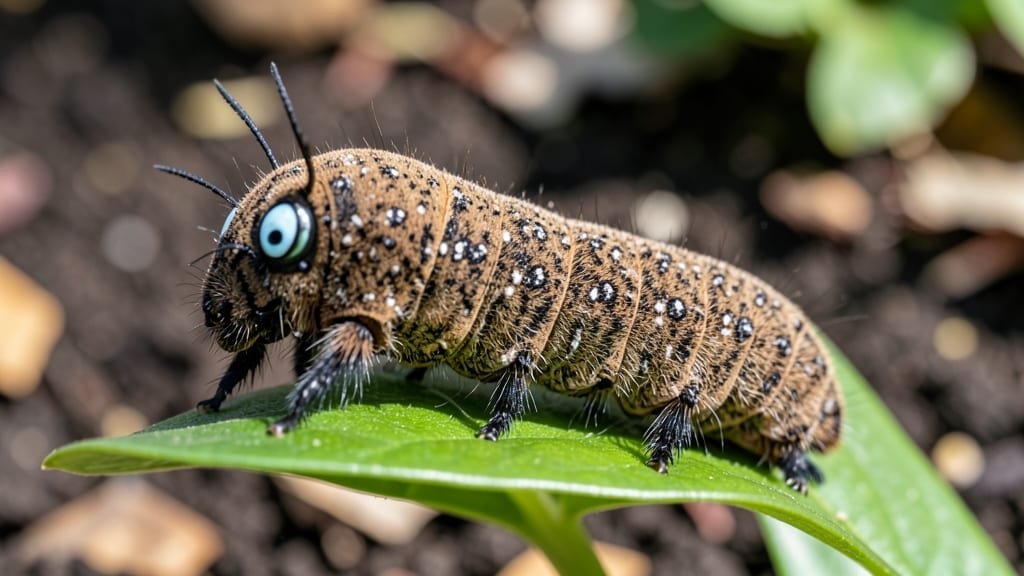
Those swallowtail caterpillars with brown stripes devouring your spicebush leaves? That’s the brown spicebush swallowtail—and while they’re harmless to humans, they can strip plants bare in days. 🌿 I’ve battled these chewers before, and I’ll show you how to keep your host plants thriving without toxic sprays.
The damage is obvious: skeletonized leaves, defoliated branches, and caterpillars that vanish when you approach. These caterpillars target spicebush, sassafras, and even birch trees, but they’re also food for birds, lizards, and parasitic wasps—nature’s cleanup crew. The key is working with them, not against.
You’ll learn to spot early signs, use physical barriers, and introduce natural predators like tachinid flies. By the end, your plants will bounce back faster than you’d expect—no chemicals required. The secret? Timing and a few simple tools most gardeners already have.
This works for small gardens, large landscapes, or even container-grown spicebush. Let’s get your plants back to full, lush growth—naturally.
Root Causes Of Caterpillar Outbreaks
When you spot a sudden surge of brown spicebush swallowtail caterpillars munching away on your prized plants, it’s rarely just bad luck. Behind every caterpillar feast lies a mix of environmental, ecological, and even human-influenced factors.
Understanding these causes helps you address the problem at its source—naturally and effectively. Let’s break down why these caterpillars show up in force and how their lifecycle plays into the chaos.
The brown spicebush swallowtail caterpillar thrives on a specific menu: spicebush (Lindera benzoin), sassafras (Sassafras albidum), and sometimes tulip poplar (Liriodendron tulipifera). When these plants are plentiful—whether in your yard, a nearby forest, or even a wild patch—caterpillars get a all-you-can-eat invitation. Here’s why this happens:
- Natural Regrowth: After pruning, storms, or even controlled burns, host plants sprout fresh, tender leaves—caterpillar catnip. New growth is packed with nutrients, making it irresistible.
- Urban Sprawl Encroachment: As suburbs expand, wild spicebush and sassafras thickets become more accessible. Caterpillars migrate from wooded areas to feast on "easy pickings" in gardens.
- Lack of Predators: In dense plantings, caterpillars face fewer natural threats (like birds or parasitic wasps), so their populations explode unchecked.
Actionable Fix: If you’re growing these plants intentionally, thin them out to reduce caterpillar hotspots. For ornamental spicebush, consider male-only cultivars (they lack berries, deterring some wildlife but not caterpillars—so pair with organic repellents).
Temperature and rainfall directly influence caterpillar activity. Brown spicebush swallowtails are cold-hardy but thrive in warm, humid conditions. Here’s how weather patterns fuel their outbreaks:
| Factor | Why It Matters | What It Means for Caterpillars |
|---|---|---|
| Mild Winters | Less frost = higher survival rates for eggs and pupae. | More caterpillars hatch in spring. |
| Early Springs | Host plants leaf out sooner, providing food before predators wake up. | First generation caterpillars grow unopposed. |
| Heavy Rains | Washes away natural predators (like ants) and dilutes pheromone trails. | Caterpillars spread faster and face fewer enemies. |
Pro Tip:🌡️ Monitor your local National Weather Service for unusually warm winters. If you’re in a region with two broods per year (common in the Southeast), expect peak caterpillar activity in May and August.
Caterpillars are a food source for birds, wasps, and other insects. When their predators vanish—or their habitats shrink—the caterpillars take over. Common disruptors include:
- Pesticide Overuse: Broad-spectrum insecticides (like neonicotinoids) kill caterpillar predators alongside pests, creating a vacuum effect where caterpillars dominate.
- Habitat Fragmentation: Clearing land for development removes nesting sites for birds and insectivorous bats, leaving caterpillars with no checks.
- Invasive Species: Plants like Japanese honeysuckle outcompete native hosts, but they don’t support the caterpillars’ natural predators—leading to unchecked populations on remaining spicebush.
Solution: Restore balance by planting native flowers (like milkweed or coneflowers) to attract predator species. Avoid systemic pesticides—opt for targeted, organic sprays (like Bt kurstaki) that spare beneficial insects.
Sometimes, we create the perfect caterpillar party without realizing it. Here’s how:
- Over-Fertilizing: Rich soil = faster plant growth = more tender leaves = caterpillar buffet. Nitrogen-heavy fertilizers make host plants extra appealing.
- Planting Monocultures: A single spicebush hedge is a caterpillar’s dream—no diversity = no natural barriers.
- Ignoring Early Signs: Missed egg clusters or small caterpillars mean the infestation escalates exponentially by the time you notice them.
Quick Fix:💡 Diversify your landscape with non-host plants (like rosemary, lavender, or boxwood) to disrupt caterpillar movement. Prune host plants in early spring to remove egg masses before they hatch.
Natural Ways to Manage Caterpillar Infestations
If you’ve spotted brown spicebush swallowtail caterpillars munching on your garden, don’t panic—there are plenty of effective, chemical-free solutions to keep them in check. Below, we’ll break down targeted fixes based on the root cause of the problem, along with preventive tips to stop future outbreaks.
These methods are safe for plants, pets, and pollinators while keeping your garden thriving.
If you’re seeing visible damage to leaves, stems, or fruit, the first line of defense is manual removal. These caterpillars are relatively slow-moving, making them easy to spot and relocate.
🔥 Step 1: Handpick the Pests
- When to do it: Early morning or late evening when caterpillars are least active.
- How to do it:
- Wear gloves (some plants, like spicebush, can cause skin irritation).
- Gently pluck caterpillars from leaves and stems.
- Drop them into a bucket of soapy water (1 tsp dish soap per gallon) to kill them humanely.
- Pro tip: 💡 Check undersides of leaves and new growth—these are favorite hiding spots!
🍳 Step 2: Use a Drop Cloth or Sheet
- When to do it: If infestations are widespread.
- How to do it:
- Shake plants over a large drop cloth to dislodge caterpillars.
- Collect them and dispose of them far from your garden (or feed them to chickens if you have them).
- Pro tip: 🌡️ Do this on cool days—caterpillars are sluggish and easier to catch.
👨🍳 Step 3: Prune Damaged Foliage
- When to do it: If leaves are heavily skeletonized (only veins remain).
- How to do it:
- Cut away severely damaged leaves and dispose of them in a sealed bag.
- Avoid composting infested plant material—eggs may still be present.
- Pro tip: ✨ Prune in the morning so the plant has time to recover before evening pests return.
If your garden is overrun with spicebush swallowtails, the issue may be that your plants are too appealing to them. These caterpillars love spicebush, sassafras, and tulip trees, so reducing their food sources can help.
🔪 Step 1: Limit Host Plants in Your Garden
- If you love spicebush/sassafras:
- Plant them far from other desirable crops (e.g., not next to your vegetable garden).
- Consider container gardening for these plants to control spread.
- If you don’t need them:
- Remove young spicebush or sassafras trees—adult swallowtails lay eggs on them.
- Pro tip: 🎯 Plant alternatives like butterfly bush (Buddleia)—it attracts adult swallowtails but is less preferred for egg-laying.
🌿 Step 2: Trap Cropping
- What it is: Using a sacrificial plant to lure caterpillars away from your prized plants.
- How to do it:
- Plant a small patch of spicebush or sassafras in an isolated area.
- Monitor and remove caterpillars from this patch before they spread.
- Pro tip: 🔥 Rotate trap crops seasonally to prevent caterpillars from adapting.
If you catch an infestation early, you can prevent caterpillars from hatching by removing eggs before they become a bigger issue.
⏰ Step 1: Inspect Leaves Regularly
- When to do it: Spring and early summer (peak egg-laying season).
- How to identify eggs:
- Look for small, round, yellowish eggs (about the size of a pinhead) on undersides of leaves.
- They’re often laid in clusters near leaf veins.
- Pro tip: 💡 Use a magnifying glass—eggs are tiny and easy to miss!
🧼 Step 2: Scrape or Brush Off Eggs
- How to do it:
- Gently scrape eggs off leaves with your fingernail or a soft brush.
- Drop them into soapy water to kill them.
- Alternative method:
- Spray leaves with a strong stream of water to dislodge eggs.
- Pro tip: ✨ Do this every 3-5 days during egg-laying season for best results.
Once you’ve eliminated the current infestation, take steps to keep caterpillars away without chemicals.
🌡️ Step 1: Encourage Natural Predators
- Birds: Install birdhouses and feeders—robins, chickadees, and wrens love eating caterpillars.
- Parasitic Wasps: These tiny wasps lay eggs inside caterpillars, killing them naturally. No action needed—just avoid pesticides!
- Ladybugs & Lacewings: Release or attract these beneficial insects with neem oil sprays (they also eat caterpillar eggs).
🍎 Step 2: Use Plant-Based Repellents
- Neem Oil Spray:
- Mix 1 tbsp neem oil + 1 tsp mild soap + 1 quart water.
- Spray directly on caterpillars and leaves (reapply every 5-7 days).
- Why it works: Disrupts caterpillar feeding and growth.
- Garlic & Chili Pepper Spray:
- Blend 3 garlic cloves + 1 tbsp cayenne pepper + 1 quart water.
- Strain and spray on plants—caterpillars hate the smell!
- Pro tip: 🔥 Spray in the evening to avoid harming helpful pollinators like bees.
🌿 Step 3: Maintain Garden Health
- Healthy plants = fewer pests!
- Water deeply but less frequently to avoid weak, pest-prone growth.
- Mulch around plants to reduce stress and improve resilience.
- Avoid over-fertilizing—soft new growth attracts caterpillars.
While it’s tempting to reach for chemical pesticides, these can: ❌ Kill beneficial insects (bees, ladybugs, parasitic wasps). ❌ Harm pets and wildlife that eat treated plants. ❌ Leave harmful residues on fruits and vegetables.
Stick to organic methods—they’re safer, cheaper, and just as effective when done consistently!
By combining physical removal, plant management, and natural deterrents, you can keep brown spicebush swallowtail caterpillars under control without harming your garden’s ecosystem. Act early, stay vigilant, and enjoy a pest-free, thriving garden! 🌱🐛🚫
Frequently asked questions
What do brown spicebush swallowtail caterpillars look like?
These caterpillars are black with striking yellow stripes along their sides and orange spots near their head. They grow up to 2 inches long and have a distinctive horn-like projection at the tail. Their coloration helps them blend into spicebush foliage while feeding.
Are these caterpillars harmful to humans?
No, they’re completely harmless to humans. While they may look intimidating, they can’t bite or sting. However, some gardeners report mild skin irritation from handling spicebush leaves—always wear gloves when working with these plants. The real concern is their appetite for your host plants!
How do I tell if my plants have caterpillar eggs?
Look for tiny, round, yellowish eggs (about the size of a pinhead) clustered on the undersides of leaves, especially near leaf veins. Use a magnifying glass and check spring and early summer when egg-laying peaks. Eggs hatch in 5-10 days, so early removal is key.
Will neem oil really work on these caterpillars?
Yes, neem oil is highly effective when applied correctly. Mix 1 tbsp neem oil + 1 tsp mild soap + 1 quart water and spray directly on caterpillars and leaves. Reapply every 5-7 days—it disrupts their feeding and growth hormones. For best results, spray in the evening to protect pollinators.
What should I do if my spicebush is completely defoliated?
Don’t panic! Spicebush is tough and will regrow. Prune severely damaged branches to encourage new growth, and focus on removing remaining caterpillars manually. Avoid fertilizing—new growth attracts more caterpillars. Most plants recover fully within 4-6 weeks if the roots are healthy.