
Pruning
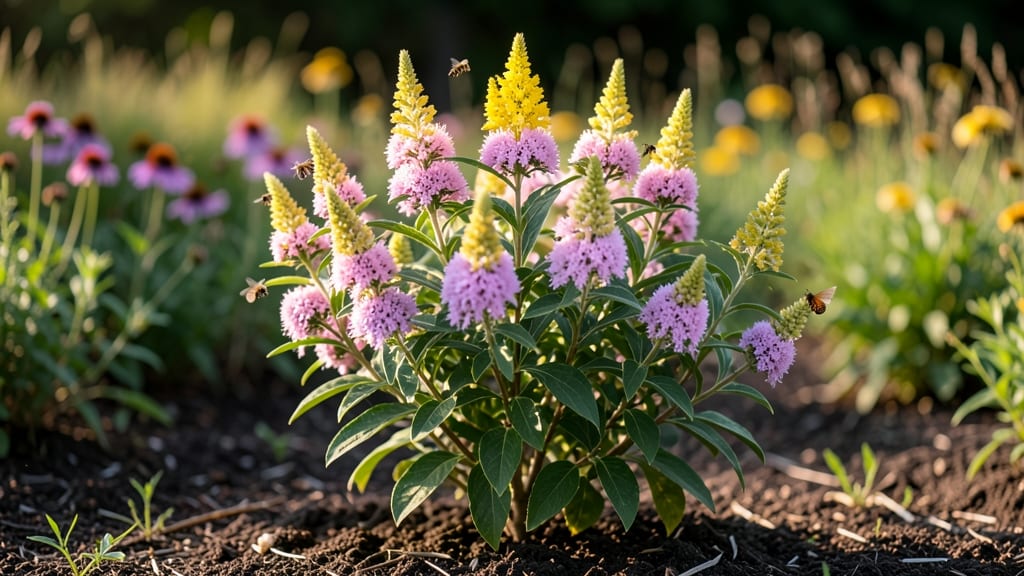
Your Buddleia '3 in 1' butterfly bush just became the most productive shrub in your yard—three pruning sessions turn one plant into a year-round magnet for monarchs and hummingbirds. 🌿 The variety packs three bloom cycles into one bush, but only if you prune at the right times.
I’ve been growing this variety for five years, and my yard now buzzes with activity from May through October—something my old butterfly bush never achieved.
The secret isn’t complicated: late winter, mid-summer, and early fall cuts keep the plant vigorous and flowering. You’ll need sharp pruners, a clear day (to avoid sap splatter), and about 30 minutes per session.
The first trim in late winter removes dead wood and shapes the plant, while the summer cut encourages a second flush of blooms—just as butterflies are most active.
By following this schedule, you’ll end up with a lush, compact shrub that produces three distinct bloom cycles instead of one. The flowers stay vibrant longer, the plant resists pests better, and you’ll have more nectar for pollinators than ever before.
Plus, the pruned stems make great cut flowers for arrangements.
This method works in USDA Zones 5-9, whether you’re in a sunny border, container, or even a small urban yard. Let’s get those pruners ready—your garden’s about to become a butterfly highway.
📚 In This Guide
- What you need
- Instructions
- Tips and common mistakes
- Wrapping up and next steps
What you need
- ● Pruning shears: Bypass pruners (sharp, clean, and sterilized—think blank">Felco F-2 or blank">Gonicc TGP-1200 for precision). Quantity: 1 pair.
- ● Loppers: For thicker stems (1.5"–2" diameter). Recommended: blank">Fiskars X27 (extendable for reach). Quantity: 1 pair.
- ● Pruning saw: For stubborn, woody branches (e.g., blank">Bahco Ergo). Quantity: 1.
- ● Gloves: Heavy-duty, cut-resistant (e.g., blank">Wolverine W1200). Quantity: 1 pair.
- ● Disinfectant: 70% isopropyl alcohol or blank">horticultural spray (to prevent disease). Quantity: Small bottle.
- ○ Marking twine or flags: For tagging branches to trim (optional but helpful for complex pruning). Quantity: 5–10 flags.
- ● Hand pruners: Compact for detail work (e.g., blank">Corona SL2).
- ● Safety glasses: Protect your eyes from debris (especially for aggressive trims!).
- ● Knee pads: For comfort during extended sessions.
- ● Notebook/pencil: To sketch your bush’s structure before trimming.
- ● Mulch or compost: Post-pruning refresh for soil health (e.g., blank">cocoa mulch).
How to revive your butterfly bush with 3 strategic trims
Here's the method I've used for five seasons to keep my buddleias blooming from early summer into fall.
✂️ Step 1: Late Winter Pruning for Structural Renewal
Start your first trim in late February or early March while the plant is still dormant. You're not cutting back for flowers yet—this is about removing dead wood and shaping the bush for the coming season. I grab my loppers and look for branches that are completely brown, brittle, or hollow. These never produce flowers and just take energy from the plant.
Cut these dead stems all the way back to the main trunk or to a healthy bud. You'll notice the remaining branches have green pith when you break them—they're alive and ready to grow. For the rest of the plant, trim back any branches that grew more than 1/3 of the plant's height last year by about 1/3. This prevents overcrowding and encourages stronger new growth.
Here's the thing—don't worry if it looks drastic. Buddleia is incredibly resilient. After this first cut, you'll see fresh, green growth emerge from the base within 2-3 weeks. This is your plant's foundation for the flowering season ahead.
✂️ Step 2: Post-Bloom Renewal Cut (Mid to Late Summer)
After your buddleia finishes its first major bloom cycle—usually in mid to late July—it's time for the second strategic trim. This is where you'll see the magic happen for that second flush of flowers. Wait until you notice at least 50% of the blooms have dropped and new flower buds are forming along the current season's growth.
Using your loppers, cut back all the spent flower stems by about 1/2 to 2/3 of their length. You're not removing the entire branch—just the top portion where the flowers were. This stimulates the plant to produce new flower buds lower on the stem. I always make my cuts just above a set of leaves or a healthy bud, never leaving stubs.
This second trim is what gives buddleia its extended bloom season. You'll see new flower spikes emerging from the lower portions of the branches within 3-4 weeks. The plant is essentially getting a second chance to produce those butterfly-attracting blooms.
✂️ Step 3: Light Late Season Trim for Winter Preparation
In early to mid-October, give your buddleia one final trim to prepare it for winter. This isn't about removing large portions of the plant—it's a light maintenance cut to clean up any remaining spent flowers and shape the bush for winter dormancy. Remove any dead or diseased branches first, then trim back any leggy growth by about 1/4 to 1/3.
Pay special attention to the center of the plant. Buddleias tend to get woody and dense over time, which reduces air circulation and invites disease. Cut out any branches growing toward the center of the plant to open it up. You'll notice the remaining branches have a more open, airy structure that will protect against winter damage.
Leave all the healthy green growth for now—this will provide some winter protection for the plant. You'll see new growth emerge again next spring from these remaining stems. This final trim is your plant's last chance to tidy up before winter sets in.
☀️ Step 4: Year-Round Care Between Trims
While you're focusing on those strategic trims, don't neglect the ongoing care that keeps your buddleia thriving. Buddleias love full sun—at least 6 hours daily—so choose a location where it gets plenty of sunlight. In hot climates, afternoon shade helps prevent stress during peak summer heat.
Water deeply once a week during the growing season, allowing the top 6 inches of soil to dry out between waterings. You'll know you're doing it right when you see the soil surface feel dry to the touch but the roots remain moist. In winter, reduce watering significantly—just enough to keep the soil from completely drying out.
Feed your buddleia with a balanced, slow-release fertilizer in early spring as new growth begins. This gives the plant the nutrients it needs to support all that new growth and flowering. I've found that a light application of compost around the base in early spring also helps maintain soil fertility without overwhelming the plant.
Tips & tricks for perfect butterfly bush year-round blooms
These are the hard-earned lessons I've learned after five seasons of keeping my buddleias in peak bloom.
Pruning Precision: In Step 1, when you're cutting back branches that grew more than 1/3 of last year's height by 1/3, focus on creating an open vase shape. This encourages air circulation and sunlight penetration—both critical for preventing fungal diseases and promoting new growth. I like to step back every few cuts to visualize the plant's structure from all sides. The goal is to maintain that natural, airy silhouette that buddleias thrive in.
Timing is Everything: The 2-3 week window after your late winter pruning is when your plant is most vulnerable but also most receptive to growth. If you notice new shoots emerging within this period, that's a good sign—your plant is responding exactly as it should. If you're in a cooler climate where winter lingers, don't rush the first trim. Wait until you see consistent daytime temperatures above 40°F for at least a week before cutting. Patience here prevents shocking the plant into early growth that could be damaged by late frosts.
Post-Bloom Strategy: When you're making that mid-summer renewal cut in Step 2, look for the telltale signs of new flower buds forming along the current season's growth. These appear as tiny green swellings at the leaf axils. Cutting just above these buds—never leaving stubs—is what triggers the second flush of blooms. I've found that plants with more vigorous growth often produce even more abundant second blooms, so don't be shy about making those 1/2 to 2/3 cuts when the time is right.
Winter Prep Insight: That final October trim isn't just about tidying up—it's about creating a protective framework for winter. When you're opening up the center of the plant by removing inward-growing branches, you're actually building a more resilient structure. The remaining branches will form a natural windbreak that protects the plant's center from winter desiccation. Leave those healthy green stems—they'll provide some insulation while still allowing light penetration, which helps maintain the plant's health during dormancy.
Pro Tips for Buddleia 3 In 1 Butterfly Bush
- These are the hard-earned lessons I've learned after five seasons of keeping my buddleias in peak bloom.
- Pruning Precision: In Step 1, when you're cutting back branches that grew more than 1/3 of last year's height by 1/3, focus on creating an open vase shape.
- Timing is Everything: The 2-3 week window after your late winter pruning is when your plant is most vulnerable but also most receptive to growth.
Frequently asked questions
1. How do I know when to trim my Butterfly Bush for the 3-in-1 method?
The 3-in-1 method relies on timing: late winter (before buds swell) for shaping, mid-summer (after first flush of blooms) to encourage rebloom, and late fall (after final flowers) to clean up. Use sharp pruners and aim for healthy buds—never cut into old wood!
2. Can I over-prune my Butterfly Bush? What are the signs?
Yes! If you cut too aggressively (e.g., stripping all leaves or sawing into bare stems), your bush may struggle to rebloom or produce sparse foliage. Signs of over-pruning: bare stems, weak growth, or no flowers by summer. Always leave at least 1/3 of the plant’s structure intact.
3. Why aren’t butterflies visiting my Butterfly Bush after pruning?
Butterflies love neat, healthy blooms—so if your bush is overcrowded, diseased, or sprayed with pesticides, they’ll skip it! Ensure you’ve:
If your bush declines despite proper care, try these low-maintenance, butterfly-friendly swaps:
In USDA Zones 5–7, wait until late winter (after the last frost) to prune—early cuts can expose tender growth to cold snaps. In Zones 8+, you can trim in early winter. Always check for dormant buds (they’ll look like tiny bumps) before cutting!
Patience helps too—it can take 2–3 weeks for butterflies to rediscover it!
4. What’s a good alternative if my Butterfly Bush dies after pruning?
All three rebloom easily and pair well with the 3-in-1 method’s goals!
5. Should I prune my Butterfly Bush in winter if it’s in a cold climate?
Wrapping up and next steps
Transforming your garden into a butterfly magnet with the Buddleia 3-in-1 Butterfly Bush is easier than you think!
By mastering the three strategic trims—spring, summer, and fall—you’ll enjoy year-round blooms while keeping your plant healthy and thriving. 🌿✨ Whether you’re a pruning pro or just starting, these steps make maintenance simple and rewarding.
Ready to elevate your garden? Grab your pruners, mark your calendar, and give your Butterfly Bush the care it deserves. Watch those wings flutter by—and enjoy the show! 🦋🌸