
Pruning
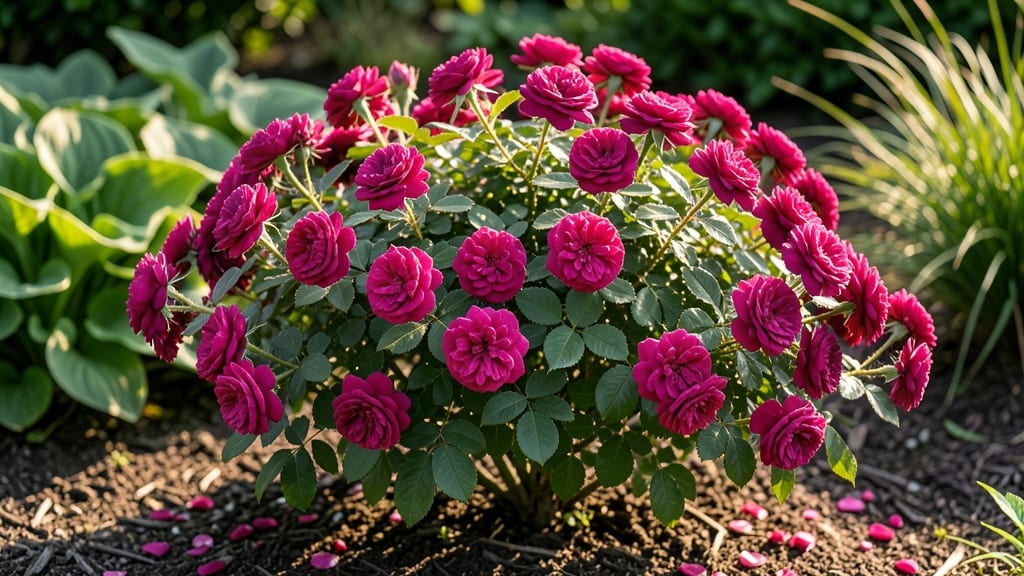
Your everblooming rose bush could be the garden's star performer—if you time those pruning cuts just right. ✂️ The secret isn't just cutting back; it's understanding how roses grow and when to encourage new blooms instead of letting them fade into leggy stems.
My first attempt ended with three sad blooms and a bush that looked like a tangled mess, but now I know exactly when to prune for nonstop flowers.
Start with the basics: full sun (at least 6 hours daily), well-draining soil, and consistent watering (deep soaks, not light sprinkles). Everblooming roses thrive when you mimic their natural cycle—prune lightly after the first flush of spring blooms, then again in summer to shape and encourage more flowers.
The key is removing spent blooms and shaping the bush to open it up for airflow, which keeps diseases at bay.
By mid-summer, you'll see a bush covered in buds, with flowers appearing every 2-3 weeks instead of just once a year. The fragrance alone makes it worth the effort—imagine walking past a bush heavy with blooms, each one releasing that classic rose scent.
The best part? These bushes keep producing until frost, giving you months of color and perfume.
For advanced gardeners, experiment with different pruning tools (concave cutters for thick canes) and fertilize lightly after each pruning to fuel new growth.
Even in challenging climates, everblooming roses adapt with the right care, proving that year-round blooms aren't just for lucky gardeners—they're for anyone willing to learn the rhythm of the plant.
📚 In This Guide
- What you need
- Instructions
- Tips and common mistakes
- Wrapping up and next steps
What you need
- ● Everblooming rose bush: Choose a hybrid tea, floribunda, or grandiflora variety (e.g., 'Knock Out,' 'Earth Song,' or 'Double Delight'). Ensure it’s disease-resistant and labeled for repeat blooming.
- ● Pruning shears: Bypass pruners (sharp, 5–7" blades) for clean cuts—1 pair is a must!
- ● Gloves: Heavy-duty gardening gloves (thorn-proof!) to protect your hands.
- ● Disinfectant: 70% isopropyl alcohol or a pruner sanitizer to prevent disease spread.
- ● Compost/fertilizer: Balanced rose fertilizer (10-10-10 or 20-20-20) + 2–3 lbs of compost per bush.
- ● Mulch: Organic mulch (3–4" layer of shredded bark or straw) to retain moisture.
- ● Loppers: For thicker stems (8–12" blades).
- ● Rake: To clear debris after pruning.
- ● Rose food: Liquid bloom booster (e.g., Fish emulsion or seaweed extract).
- ● Support stakes: If your rose is climbing or needs structure.
- ○ Pruning sealant: (Optional) For large cuts to prevent sap loss.
Instructions for cultivating an everblooming rose bush
Here's how to coax your rose bush into continuous blooms—no fancy tricks, just smart timing and care.
🌱 Step 1: Choose the Right Location and Prepare the Soil
Pick a spot with 6+ hours of direct sun daily—roses crave sunlight like we crave coffee. I always test the site by observing how much sun it gets over a week, especially in summer when shadows shrink. Dig in a 2-inch layer of compost mixed with the native soil to loosen it up and improve drainage—roses hate soggy roots.
Spread 2-3 inches of mulch around the base (keeping it 2 inches away from the trunk to prevent rot). This keeps roots cool in summer and insulated in winter. I use shredded hardwood bark because it breaks down slowly and adds organic matter over time. Water the area thoroughly before planting to help the roots settle in.
☀️ Step 2: Plant at the Right Depth and Stake for Support
Dig a hole twice as wide as the root ball but only as deep as the container. You'll see a soil line on the roots—this marks where the graft was made. Plant so that line sits 2-3 inches below the soil surface; burying it deeper can cause the bush to produce suckers from below the graft. Tap the soil gently to remove air pockets as you fill the hole.
Install a 5-6 foot stake next to the bush, driving it in at a 45-degree angle toward the prevailing wind. Tie the main stem loosely to the stake with soft plant ties—tighten only enough to keep it upright. Overly tight ties strangle stems as they grow. Water deeply after planting to encourage root expansion into the surrounding soil.
✂️ Step 3: Prune for Continuous Blooms After Each Flowering Cycle
Cut back spent blooms to the first 5-leaflet leaf below the flower cluster—this is called "deadheading." I use clean, sharp pruners and make cuts at a 45-degree angle, about ¼ inch above the leaf node. This encourages the bush to send out new growth from that point, leading to more flowers.
For everblooming varieties, repeat this process every 2-3 weeks throughout the growing season. You'll see new buds forming within 4-6 weeks after pruning. Avoid cutting into old wood—look for green stems with leaves. If you're unsure, err on the side of leaving the stem; roses are forgiving but not magic.
💧 Step 4: Water Deeply and Fertilize Strategically
Water your rose bush 1-2 inches per week, either from rainfall or supplemental watering. I check moisture by sticking my finger 2 inches into the soil
Feed with a balanced rose fertilizer (10-10-10 or similar) every 4-6 weeks during the growing season. I mix the fertilizer into the soil around the drip line—not the trunk—so roots can access nutrients without burning the plant. Stop fertilizing in late summer to allow the bush to harden off for winter. Yellowing leaves often mean over-fertilizing; flush the soil with water if this happens. When temperatures drop below 40°F at night, it's time to protect your rose bush. I mound 4-6 inches of soil or mulch around the base of the plant, leaving the graft union exposed. This insulates the roots while allowing the top growth to survive winter's chill. Wrap the canes loosely with burlap or rose cones, securing with twine but not too tightly. In early spring, remove the winter protection as soon as the soil warms to 50°F. Prune out any dead or broken canes with clean pruners, then give the bush a light feeding to kickstart new growth. Watch for buds swelling in the creases between stems—this is your signal that spring is truly here and the blooming season is about to begin again.⏰ Step 5: Protect and Prepare for Winter
Tips & tricks for cultivating an everblooming rose bush
Here's what nobody tells you—these small details make all the difference between a struggling rose bush and one that blooms beautifully all season long.
Location is Everything: That 6+ hours of sun is non-negotiable, but timing matters too. I test potential spots by observing shadows during the longest day of summer—what looks like full sun in spring might turn out to be dappled shade during peak heat. If you're in a hot climate, afternoon shade can actually help prevent scorching while still giving you plenty of morning sun for blooms.
Pruning Precision: When deadheading in Step 3, look for the first 5-leaflet leaf below the spent bloom—this is your target. I use a small notepad to track my last pruning date so I never go more than 3 weeks without deadheading. The ¼-inch gap above that leaf node is crucial; cutting too close can damage the stem, while cutting too far back wastes potential growth. Think of it like giving your rose a tiny haircut—just enough to shape, not enough to shave.
Watering Wisdom: The 1-2 inches per week guideline works for most climates, but I adjust based on soil type. Sandy soil drains quickly, so I water more frequently but less deeply, while clay soil holds moisture longer, so I water less often but more thoroughly. Always water at the base—wetting leaves creates the perfect environment for fungal diseases. I set a timer to remind me because roses hate inconsistent watering patterns.
Winter Protection: That 4-6 inch mound of soil or mulch is your rose's winter blanket, but don't smother it. Leave the graft union exposed—it's like the rose's belly button, and covering it can cause rot. I use straw rather than leaves for mulch because leaves can compact and trap moisture. When spring arrives and soil hits 50°F, I remove the protection gradually over 2-3 days to avoid shocking the plant with sudden warmth.
Pro Tips for Everblooming Rose Bush
- Here's what nobody tells you—these small details make all the difference between a struggling rose bush and one that blooms beautifully all season long.
- Location is Everything: That 6+ hours of sun is non-negotiable, but timing matters too.
- Pruning Precision: When deadheading in Step 3, look for the first 5-leaflet leaf below the spent bloom—this is your target.
Frequently asked questions
Got questions about keeping your everblooming rose bush in peak condition? Here are answers to the most common ones—so you can enjoy nonstop blooms and lush greenery year-round!
How often should I prune an everblooming rose bush?
Prune your everblooming rose bush three times a year: late winter (to shape and remove dead wood), early summer (to encourage new blooms), and after each major flush of flowers. Light trims between heavy prunings help maintain airflow and prevent disease. Aim for 1/3 of the plant’s height in winter and 1/4 in summer.
When is the best time to plant an everblooming rose bush?
The ideal times are early spring (after the last frost) or early fall (6–8 weeks before the first frost). Planting in spring gives roots time to establish before summer heat, while fall planting allows roots to grow before winter dormancy. Avoid planting in extreme heat or cold—both stress young plants.
Why aren’t my everblooming roses flowering as much as they should?
Lack of blooms often stems from over-pruning, poor sunlight (they need 6+ hours of sun daily), or nutrient deficiencies. Check for yellow leaves (nitrogen deficiency) or weak stems (phosphorus/potassium lack). Feed with a rose-specific fertilizer in spring and mid-summer, and ensure proper watering (deep but infrequent).
Can I use regular pruning shears on an everblooming rose bush?
Yes, but invest in sharp, bypass pruners (not anvil shears) to make clean cuts. For thick canes, use loppers or a pruning saw. Always sterilize tools with rubbing alcohol between cuts to prevent spreading disease. Avoid tearing the bark—cut at a 45-degree angle just above a bud or outward-facing leaf.
How do I protect my everblooming rose bush in winter?
In USDA Zones 5–7, mound soil or mulch around the base (up to the graft union) and wrap the bush in burlap or rose cones. In colder zones (below 5), add a thick layer of straw or leaves over the mulch. Avoid plastic—it traps moisture and can rot stems. Never prune in winter unless absolutely necessary (wait until late winter).
Are there low-maintenance alternatives to everblooming roses?
If you want year-round color with less upkeep, consider:
- Knock Out® roses – Disease-resistant, bloom nonstop, and require minimal pruning.
- Dwarf butterfly bush (Buddleia) – Fragrant, attracts pollinators, and thrives with occasional trimming.
- Hydrangeas (e.g., ‘Endless Summer’) – Rebloom with proper care and tolerate partial shade.
- Lavender – Drought-tolerant, fragrant, and only needs light pruning after flowering.
For true roses, Floribunda or Grandiflora varieties are slightly easier than hybrid teas but still require seasonal pruning.
Wrapping up and next steps
An everblooming rose bush isn’t just a dream—it’s a rewarding reality with the right care, especially when it comes to strategic pruning. By mastering the when, how, and why of trimming, you’ll unlock year-round blooms and a bush that thrives with health and fragrance. 🌹✨
Ready to transform your garden? Start small—pick one bush this season to practice your new pruning skills. With patience and consistency, your efforts will pay off in a cascade of vibrant, fragrant blooms that keep giving all year long. Happy pruning!