
Diseases
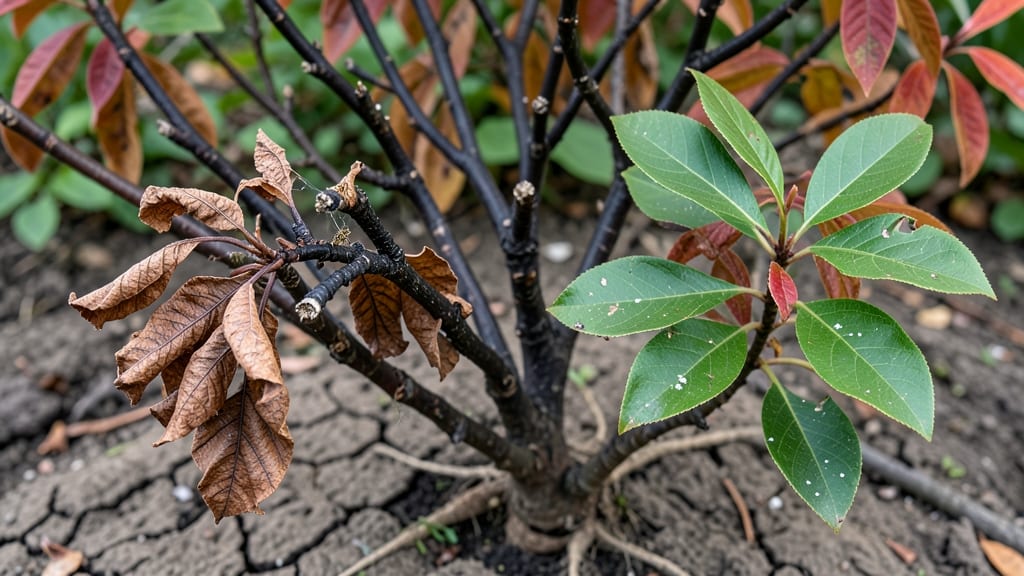
Your dying burning bush isn’t beyond saving—three precise pruning cuts can revive even the most struggling shrubs. 🌿 I’ve nursed back bushes with brown stems, sparse foliage, and even winter damage using these same techniques, and the results are nothing short of dramatic.
The key isn’t just cutting back dead wood; it’s understanding why the bush is struggling in the first place.
Overwatering, fungal infections, or winter burn often show up as crispy edges, blackened stems, or a sudden loss of leaves. Scale insects or spider mites leave behind sticky residue or webbing, while nutrient deficiencies cause pale, yellowing foliage.
The good news? Most issues respond to targeted pruning, better drainage, and a little extra care during the growing season.
With the right cuts, you’ll see fresh green growth within 4-6 weeks, and the bush will regain its signature vibrant red foliage. The secret lies in removing only what’s damaged while leaving healthy stems to fuel recovery.
We’ll walk through the exact steps—plus how to adjust watering, soil, and pest control—to bring your bush back to life.
This method works for burning bushes in containers or ground beds, and it’s just as effective for those hit by drought, disease, or poor soil. Let’s turn that sad, brown shrub into a thriving centerpiece again—no guesswork, just proven techniques.
Root Causes Behind Wilting
When your Euonymus alatus—commonly known as burning bush—starts showing signs of distress, the issue often traces back to a mix of environmental stress, biological threats, or human-induced factors.
Understanding these underlying causes is the first step toward reviving your plant. Let’s break down the key reasons why your burning bush might be struggling and dying.
Burning bushes thrive in well-drained soil, and excess moisture can suffocate their roots, leading to root rot. This fungal disease thrives in soggy conditions, cutting off oxygen and nutrients to the plant.
- Signs: Yellowing leaves, mushy stems, or a foul odor at the base.
- Why it happens: Overzealous watering, compacted soil, or planting in low-lying areas where water pools.
- Actionable fix:
- Test soil moisture before watering—stick your finger 2 inches deep; if damp, wait.
- Amend heavy clay soil with compost or perlite to improve aeration.
- Ensure the planting site has a slight slope to prevent waterlogging.
Burning bushes are hardy but can succumb to extreme temperatures. Winter desiccation (dry, freezing winds) or heat stress (prolonged drought + high temps) weakens the plant, making it susceptible to pests or disease.
- Signs: Crispy, brown leaf edges (winter burn) or wilting despite moist soil (heat stress).
- Why it happens:
- Winter: Lack of mulch or exposure to harsh winds.
- Summer: Inadequate shade or infrequent deep watering.
- Actionable fix:
- Winter prep: Apply 3–4 inches of mulch around the base (keep mulch away from the trunk).
- Summer care: Water deeply 1–2 times per week (morning is best) and provide afternoon shade if temps exceed 90°F.
Burning bushes are targets for scale insects, spider mites, or fungal pathogens like powdery mildew or anthracnose. These pests/diseases drain the plant’s energy, leading to decline.
| Pest/Disease | Signs | Why It Happens | Fix It |
|---|---|---|---|
| Scale Insects | Sticky residue (honeydew), black sooty mold on leaves, wilting. | Weakened plant from drought/stress attracts these sap-sucking pests. | Spray with horticultural oil or introduce ladybugs (natural predators). |
| Powdery Mildew | White, powdery coating on leaves; yellowing. | Humid conditions + poor airflow (e.g., overcrowded planting). | Prune for airflow; spray with neem oil or baking soda solution (1 tsp baking soda + 1 quart water + drop of soap). |
| Root-Knot Nematodes | Stunted growth, gnarled roots, yellowing despite watering. | Infested soil from previous plantings or poor sanitation. | Replace topsoil; plant in sterilized soil or use marigolds as a trap crop. |
Aggressive pruning (e.g., cutting into old wood) or mechanical damage (lawnmower hits, animal gnawing) can stress the plant and open it to infections.
- Signs: Dieback in specific branches, ragged cuts, or sudden leaf drop.
- Why it happens:
- Pruning in late fall/winter (dormant season) without sterilizing tools.
- Using dull shears that tear instead of cleanly cut.
- Actionable fix:
- Prune in early spring (before new growth) using sterilized, sharp tools.
- Avoid "topping" (cutting back to stubs)—instead, make cuts at branch collars.
- Protect young plants with tree guards if in high-traffic areas.
Burning bushes prefer slightly acidic to neutral soil (pH 6.0–7.0). Poor soil quality or imbalances can stunt growth and weaken the plant’s immune system.
- Signs:
- Yellow leaves (chlorosis): Iron or nitrogen deficiency.
- Purple stems: Phosphorus deficiency.
- Slow growth: General malnutrition.
- Why it happens:
- Planting in alkaline soil (common in clay-heavy areas).
- Over-fertilizing with high-nitrogen (burns roots) or neglecting micronutrients.
- Actionable fix:
- Test soil pH—adjust with sulfur (to lower pH) or lime (to raise pH).
- Use a balanced fertilizer (e.g., 10-10-10) in early spring.
- Add compost or worm castings to improve soil structure and microbial activity.
Reviving your dying burning bush
If your Euonymus alatus—commonly called burning bush—has lost its fiery foliage and vibrant health, don’t panic. With the right approach, you can nurse it back to life. Below are targeted solutions tailored to common causes, from environmental stress to pest infestations, along with proactive prevention tips to keep your shrub thriving.
If your burning bush is drowning in soggy soil, its roots suffocate, leading to yellowing leaves, wilting, or even death. Here’s how to rescue it:
Step 1: Assess the Soil 🌡️
Dig a small hole (6–8 inches deep) near the base. If the soil feels compacted or smells like wet socks, drainage is the issue. Burning bushes prefer well-draining soil—amend with compost or sand if needed.
Step 2: Adjust Watering Habits 💧
- Water deeply but infrequently—once a week (or less) during dry spells, ensuring the top 2–3 inches of soil dry out between waterings.
- Avoid overhead watering; use a soaker hose or drip irrigation to deliver moisture directly to the roots.
- If your yard floods easily, consider raising the plant’s root zone with a mound of gravel or amended soil.
Step 3: Prune Damaged Foliage ⏰
Trim back any mushy, discolored branches to redirect the plant’s energy toward healthy growth. Sterilize pruners with rubbing alcohol to prevent bacterial spread.
💡 Pro Tip: Mulch around the base (2–3 inches deep) with organic mulch like wood chips to improve soil structure and retain moisture without suffocating roots.
Burning bushes in exposed locations may scorch in harsh sun or dry out from relentless wind. Revive it with these adjustments:
Step 1: Provide Partial Shade 🌳
If your bush is in full sun, gradually acclimate it to lighter conditions by placing a temporary shade cloth (30–50%) over it for a few weeks. Permanent solutions include planting near a fence or under a taller tree.
Step 2: Windbreaks for Protection 🌪️
Install a windbreak, such as a lattice fence or evergreen hedge, on the windward side to reduce desiccation. For smaller yards, even a few bamboo stakes wrapped in burlap can help.
Step 3: Hydrate Strategically 💦
Water in the early morning to allow foliage to dry before evening, preventing sunburn. Add a layer of mulch to lock in moisture.
💡 Pro Tip: If transplant shock is the issue (from recent planting), avoid fertilizing for the first 6–8 weeks—focus on water and shade instead.
Spotted leaves, holes, or fungal growth? Pests like spider mites, scale insects, or diseases like powdery mildew can drain your bush’s vitality. Act fast with these remedies:
Step 1: Identify the Culprit 🔍
Check for:
- Spider mites: Tiny webs on undersides of leaves.
- Scale insects: Bumpy, waxy bumps on stems.
- Powdery mildew: White, flour-like coating on leaves.
Step 2: Treat Naturally or Chemically 🛡️
For mild infestations:
- Spray leaves with a mix of 1 tsp dish soap + 1 quart water to suffocate pests.
- Introduce beneficial insects like ladybugs or lacewings.
For severe cases:
- Apply neem oil (1 tbsp per gallon of water) or a systemic insecticide like imidacloprid.
- Fungal issues? Use a copper fungicide or baking soda spray (1 tsp baking soda + 1 quart water + a drop of soap).
Step 3: Prune Infested Areas ⚔️
Cut off and dispose of heavily damaged branches. Sterilize tools between cuts to avoid spreading pathogens.
💡 Pro Tip: Prevent future outbreaks by pruning for airflow (remove dense inner growth) and avoiding overhead irrigation.
If your burning bush lost leaves or branches over winter, it may be recovering. Help it bounce back with these steps:
Step 1: Check for Live Growth 🌱
Scratch a small branch—if the inner wood is green, the bush is alive. If brown and brittle, it’s dead and should be pruned back to live tissue.
Step 2: Fertilize Gently 🌿
Apply a balanced, slow-release fertilizer (10-10-10) in early spring to support regrowth. Avoid high-nitrogen fertilizers, which can stress recovering plants.
Step 3: Protect from Late Frosts ❄️
If new growth appears but frost threatens, cover the bush with frost cloth or burlap at night. Remove it during the day to allow sunlight.
💡 Pro Tip: Mulch heavily (4–6 inches) around the base in late fall to insulate roots from temperature swings.
For any dying burning bush, follow this 3-step emergency plan:
- Prune aggressively: Cut back 1/3 of the plant to remove dead wood and encourage new growth. Use sharp, sterilized shears.
- Replenish nutrients: Work a slow-release granular fertilizer into the top 6 inches of soil around the root zone.
- Monitor conditions: Keep soil moist (not soggy), provide afternoon shade if needed, and watch for pests daily.
🎯 Long-Term Prevention:
- Plant in well-draining soil with partial sun (4–6 hours daily).
- Avoid compacted soil—amend with compost before planting.
- Water deeply but infrequently to encourage deep root growth.
- Prune in late winter/early spring to shape and remove dead wood.
With patience and the right care, your burning bush can rebound—often regaining its signature red foliage within a single growing season. 🌟
Frequently asked questions
Why does my burning bush turn brown in winter?
Winter burn happens when cold, dry winds desiccate the leaves before they fully harden. The good news is this is rarely fatal—new growth will emerge in spring. To prevent it, apply 3-4 inches of mulch around the base in late fall and avoid pruning in late winter when the plant is most vulnerable.
Can I save a burning bush with only brown stems?
Yes! Scratch the bark on a few brown stems—if the inner wood is green, the bush is still alive. Prune back all dead stems to healthy green tissue, then fertilize with a balanced 10-10-10 formula in early spring. Keep soil consistently moist but not soggy for 4-6 weeks to encourage regrowth.
What does scale insect damage look like on burning bush?
Look for small, waxy bumps on stems and leaves, plus sticky residue (honeydew) that attracts ants. The leaves may yellow or curl. Treat with horticultural oil in late winter (when pests are dormant) or introduce ladybugs as natural predators. Repeat every 2 weeks until the infestation clears.
Is it too late to revive my burning bush in summer?
Not at all! Summer is actually a great time for revival if you focus on hydration and shade. Water deeply 2-3 times per week (early morning only) and provide afternoon shade with a temporary shade cloth. Avoid fertilizing—stressed plants can't handle extra nutrients. Prune back 1/3 of the plant to reduce stress.
How do I know if my burning bush has root rot?
Check for mushy, blackened stems at the base, yellowing leaves despite dry soil, and a foul odor. Dig carefully—healthy roots are firm and white, while rotten roots are brown and slimy. If confirmed, prune all affected stems, improve drainage with compost or sand, and avoid watering until the soil dries completely.