
Container Gardens
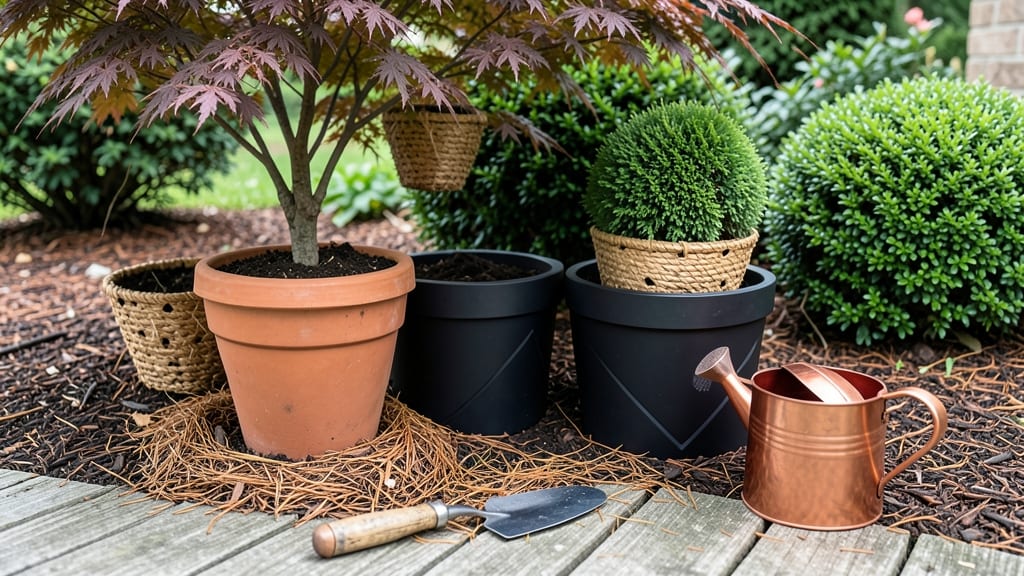
Growing bushes in containers turns even the smallest patio into a lush, year-round garden. 🌿 I’ve turned my balcony into a thriving mini-forest using dwarf varieties that would otherwise need acres of space—think fragrant lilacs, compact boxwoods, and even blueberry bushes that produce fruit in pots.
The key is matching the right bush to the right container: 5-gallon pots work for herbs and small shrubs, while 15-gallon containers handle dwarf fruit bushes. Terracotta breathes better in hot climates, while plastic retains moisture for drought-tolerant varieties.
My blueberry bushes thrive in acidic potting mix with a slow-release fertilizer, and they’ve been producing berries since their second year. You’ll love how these containers create a vertical garden that adds height and texture—no more flat, boring planters.
Prune lightly in spring to encourage bushier growth, and overwinter with a thick layer of mulch to protect roots. The results? A fragrant, productive space that feels like a full garden in miniature. Perfect for renters, small spaces, or anyone who wants low-maintenance greenery. Let’s get those containers planted!
📚 In This Guide
- What you need
- Instructions
- Tips and common mistakes
- Wrapping up and next steps
What you need
- ● Containers: At least one 12–18-inch diameter container per bush (larger for mature varieties like hydrangeas or boxwoods).
- ● Materials: Terra cotta, plastic, or fabric grow bags (ensure drainage holes are present).
- ● Potting Mix: 1–2 bags (1–2 cubic feet each) of high-quality, well-draining container mix (avoid garden soil—it compacts!).
- ○ Drainage: 1–2 inches of gravel or ceramic shards (optional but recommended for containers without pre-drilled holes).
- ● Bush Varieties: Dwarf or compact species like dwarf boxwood, hydrangea, abelia, or lilac (check plant tags for mature size!).
- ● Basic Tools: Trowel or small shovel
- ● Gloves (to protect your hands from thorns or rough bark)
- ● Watering can or hose with a gentle spray nozzle
- ● Slow-Release Fertilizer: Granules mixed into soil at planting (follow package instructions).
- ● Mulch: Organic mulch (like bark chips) to retain moisture and regulate temperature.
- ● Container Feet or Casters: For easy mobility (great for patios or balconies!).
- ● Self-Watering System: A reservoir or wicking system for busy gardeners.
- ● Pruning Shears: For shaping and maintaining your bush’s size.
Step-by-step guide to selecting and cultivating container-grown shrubs
Here’s how to choose the right compact shrubs and keep them thriving in pots for years.
🌱 Step 1: Choose Compact, Container-Friendly Shrub Varieties
Not all shrubs adapt well to containers, so focus on dwarf or slow-growing species designed for confined spaces. Look for varieties labeled as "compact," "miniature," or "dwarf" on nursery tags. Boxwoods like 'Green Velvet' or 'Winter Gem,' dwarf lilacs such as 'Munstead' or 'Sensation,' and compact hydrangeas like 'Endless Summer' or 'Limelight' are excellent choices.
Check the mature size listed on the plant tag—most container-friendly shrubs stay under 3-4 feet tall and wide. Avoid fast-growing shrubs like privet or forsythia unless you plan to prune them aggressively. The goal is to select plants that won’t outgrow their pots in just a few seasons, which would require frequent repotting and root disturbance.
🪴 Step 2: Select Proper Containers and Soil Mix
Choose containers with drainage holes and a depth of at least 12-18 inches to accommodate mature root systems. Terra cotta pots are ideal because they allow moisture to evaporate through the walls, preventing root rot. For larger shrubs, opt for whiskey barrels or half-barrels, which provide ample space and a rustic aesthetic.
Use a well-draining potting mix specifically formulated for shrubs or trees, blending one-third perlite or pumice with two-thirds high-quality potting soil. Avoid garden soil, which compacts easily and suffocates roots. Amend the mix with a slow-release fertilizer (like Osmocote) at planting time to provide nutrients over the growing season.
☀️ Step 3: Plant and Position for Optimal Growth
Remove the shrub from its nursery pot and gently loosen the roots if they’re circling. Place the plant in the container so the top of the root ball sits 1-2 inches below the rim—this allows for watering without spilling soil. Fill the remaining space with your prepared potting mix, pressing lightly to eliminate air pockets while avoiding compaction.
Position containers where they’ll receive at least 6 hours of sunlight daily, matching the shrub’s light requirements. Most dwarf shrubs thrive in full sun to partial shade, but check the tag for specifics. For example, hydrangeas prefer morning sun and afternoon shade in hot climates, while boxwoods tolerate shade better than sun. Mulch the soil surface with 2-3 inches of bark chips to retain moisture and regulate temperature.
💧 Step 4: Water and Fertilize for Long-Term Health
Water deeply once a week during the growing season, allowing the top 2 inches of soil to dry out between waterings. Overwatering is the fastest way to kill container shrubs, so always check moisture with your finger before adding more water. In hot, dry weather, you may need to water every 3-4 days, but avoid letting the soil stay soggy for more than a day.
Fertilize twice a year—once in early spring and again in mid-summer—using a balanced, slow-release fertilizer (like 10-10-10 or 20-20-20). Follow the package instructions for application rates, but reduce the amount by half if your shrub is in a small pot. Avoid high-nitrogen fertilizers, which encourage leafy growth at the expense of root development and flowering.
✂️ Step 5: Prune and Maintain Year-Round
Prune shrubs immediately after flowering to shape the plant and encourage dense growth. Use clean, sharp pruners to make cuts just above a leaf node or bud, angling the cut slightly downward to shed water. Remove dead, diseased, or crossing branches first, then thin out crowded areas to improve air circulation. For boxwoods, a light trim in late spring keeps them neat without sacrificing winter hardiness.
Inspect containers monthly for pests like spider mites or scale insects, which thrive in dry, crowded conditions. Treat infestations early with neem oil or insecticidal soap, applying in the early morning or late evening to avoid harming beneficial insects. In winter, move containers to a protected location (like a garage or under an eave) if temperatures drop below 10°F, especially for tender shrubs like dwarf lilacs.
Tips & tricks for thriving container-grown shrubs
Here's what I've learned after years of keeping container shrubs alive and flourishing—these tricks make all the difference.
Container Size Matters: The 12-18 inch depth recommendation isn't just about roots—it's about stability. Shallow pots dry out faster and tip over more easily. For shrubs like 'Green Velvet' boxwoods that stay under 3-4 feet, I often use 16-inch deep containers to balance space and weight. If you're growing larger varieties like dwarf lilacs, consider half-barrels for both stability and drainage. The extra weight also helps anchor the plant during windy conditions.
Soil Mix Secrets: That one-third perlite or pumice isn't arbitrary—it creates the perfect air-to-soil ratio. I've found that adding a handful of worm castings to the mix gives an extra nutrient boost without overwhelming the roots. For acid-loving plants like hydrangeas, mix in a little peat moss to lower the pH. Always test your soil mix's moisture retention after mixing: it should feel like a damp sponge, not a soggy rag.
Sunlight Strategy: The 6 hours of sunlight rule is your baseline, but timing matters more than you'd think. For example, hydrangeas in hot climates need morning sun to build energy but afternoon shade to prevent leaf scorch. I've had great success placing containers on east-facing patios where they get gentle morning light. If your space only gets afternoon sun, opt for shade-tolerant varieties like 'Winter Gem' boxwoods that can handle 4-5 hours of direct light.
Winter Protection: The 10°F threshold is critical, but it's not just about moving containers. I wrap the pots themselves in bubble wrap or thick burlap to prevent temperature fluctuations that cause root damage. For extra-tender varieties, I add a layer of straw mulch around the base—this acts like a thermal blanket. Remember that containers freeze faster than in-ground plants, so don't wait until the last minute to move them.
Pro Tips for Growing Bushes In Containers
- Here's what I've learned after years of keeping container shrubs alive and flourishing—these tricks make all the difference.
- Container Size Matters: The 12-18 inch depth recommendation isn't just about roots—it's about stability.
- Soil Mix Secrets: That one-third perlite or pumice isn't arbitrary—it creates the perfect air-to-soil ratio.
Frequently asked questions
Got questions about growing bushes in containers? You’re not alone! Here are answers to the most common queries to help you garden like a pro—no green thumb required.
What are the easiest bushes to grow in containers?
Opt for low-maintenance varieties like Dwarf Boxwood, Japanese Holly, or Dwarf Fothergilla. These thrive in pots, tolerate pruning, and handle seasonal changes well. Look for labeled "container-friendly" or "patio-sized" plants at nurseries!
When is the best time to plant container bushes?
Spring or early fall are ideal—when temps are mild (50–75°F) and rain is plentiful. Avoid extreme heat or frost. If planting in summer, water deeply daily and use shade cloth to protect roots until established.
How often should I water container bushes?
Check soil moisture daily in summer; water when the top inch feels dry. Containers dry out faster than ground soil! Use self-watering pots or mulch to retain moisture. Overwatering is worse—ensure pots have drainage holes to prevent root rot.
Can I grow fruit bushes (like blueberries or raspberries) in pots?
Dwarf varieties like Top Hat Blueberry or Caroline Raspberry work well. Use acidic soil (pH 4.5–5.5 for blueberries) and large pots (at least 18" deep). Pollinate by hand if growing a single plant, and prune annually for better yields.
How do I keep pests away from my container bushes?
Prevent pests with neem oil sprays or companion planting (e.g., marigolds). Inspect leaves weekly for aphids or spider mites. Elevate pots to reduce slugs/snails, and avoid overcrowding—good airflow deters bugs!
Wrapping up and next steps
Growing bushes in containers isn’t just a clever way to save space—it’s a rewarding way to bring greenery, color, and life to any corner of your home or patio.
With the right space-saving varieties, proper care, and a little creativity, you can enjoy lush, thriving plants year-round, even in small areas.
Whether you’re a beginner or a seasoned gardener, the key is to start small, experiment with what works best for your climate, and don’t be afraid to get your hands dirty!
Ready to turn your vision into a flourishing container garden? Pick your favorite bush varieties, grab your supplies, and start planting today—your future green oasis is just a pot away! 🌿✨