
Diseases
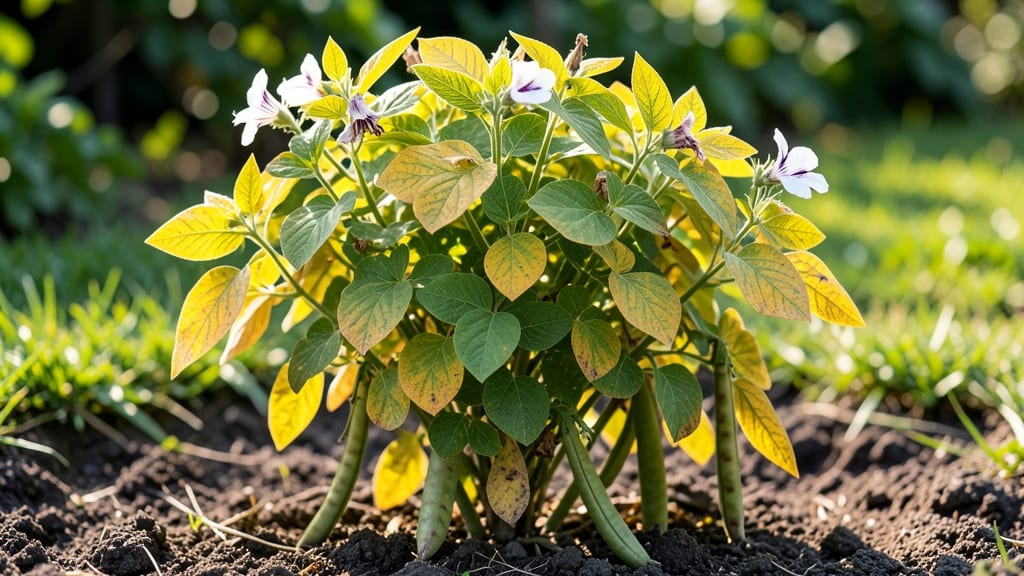
Bush beans leaves turning yellow can turn a promising harvest into a frustrating mystery—but it’s usually fixable with just three simple checks. 🌱 I’ve seen this happen after heavy rain, from overwatering, or even hidden pests, and once you know what to look for, the solution is straightforward.
The key is acting fast before the problem spreads to the pods.
Start by checking the soil: if it’s soggy or smells sour, you’re overwatering. Yellow leaves can also mean nitrogen deficiency—look for pale green or yellowing between veins.
Then inspect the undersides of leaves for tiny bugs (aphids or spider mites) or dark spots (fungus). Most gardeners miss the pests because they hide well.
Fix it by cutting back on watering and letting the top inch of soil dry out between drinks. A balanced organic fertilizer (like fish emulsion) can restore nutrients, and a strong spray of water can knock off pests.
Within a week, new growth should return, and your plants will bounce back stronger than before.
Prevent future issues by mulching to keep soil moist but not soggy, rotating crops next season, and checking leaves regularly. Once you’ve mastered this, your bush beans will stay vibrant and productive all season long—no more yellow surprises!
Root Causes Behind Yellowing
When your bush beans’ leaves start turning yellow, it’s usually a cry for help from the plant—whether due to stress, nutrient deficiencies, or unseen invaders. Understanding the why behind the discoloration is the first step to saving your harvest.
Below, we break down the most common culprits, backed by science, so you can diagnose the issue like a pro. 🌱🔍
Yellowing leaves on bush beans are often a sign of waterlogged roots, a condition called anaerobic stress. When soil stays soggy for too long, roots suffocate because they can’t access oxygen. This disrupts the plant’s ability to absorb nutrients, leading to chlorosis (yellowing) in older leaves first.
Why it happens:
- Compacted soil prevents water from draining, trapping moisture around roots.
- Overzealous watering (especially without checking soil moisture) drowns roots.
- Clay-heavy soil holds water like a sponge, worsening the problem.
Actionable fix: Check soil moisture by sticking your finger 1–2 inches deep—if it’s damp, wait to water. Amend heavy soil with compost or sand to improve drainage. And always use pots with drainage holes if growing in containers! 🏺
Bush beans are heavy feeders, and when they lack key nutrients, leaves yellow as a warning sign. The most common deficiencies—and their telltale symptoms—include:
| Nutrient | Yellowing Pattern | Why It Happens |
|---|---|---|
| Nitrogen (N) | Older leaves turn yellow first, then brown and crisp. | Nitrogen is vital for chlorophyll production. Without it, leaves can’t photosynthesize efficiently. |
| Magnesium (Mg) | Yellowing appears between leaf veins (interveinal chlorosis), starting on older leaves. | Magnesium is the center of the chlorophyll molecule. A deficiency disrupts its function. |
| Iron (Fe) | Young leaves turn yellow first, while veins stay green. | Iron helps produce chlorophyll. In alkaline soils, iron becomes unavailable to plants. |
| Zinc (Zn) | Yellowing on young leaves, with stunted growth. | Zinc aids enzyme function. A deficiency slows growth and distorts new leaves. |
Actionable fix: Test your soil’s pH (ideal for beans: 6.0–7.0). For nitrogen, use a balanced fertilizer (e.g., 10-10-10). For magnesium, apply Epsom salt (1 tbsp per gallon of water). For iron, use chelated iron supplements or apply composted manure. 🌿
Yellowing leaves can also signal pathogen attacks, such as fungal diseases like rust or anthracnose, or bacterial infections like halo blight. These diseases thrive in warm, humid conditions and often appear alongside yellow spots or lesions.
Why it happens:
- Poor airflow (from overcrowded plants) creates a damp environment where spores spread.
- Contaminated tools or soil can introduce pathogens from previous crops.
- Stressed plants (due to drought or nutrient deficiencies) are more susceptible.
Actionable fix:
- Remove and destroy infected leaves/plants immediately to prevent spread.
- Space plants 12–18 inches apart for better airflow.
- Apply copper fungicide or neem oil as a preventive spray.
- Avoid overhead watering to keep foliage dry.
💡 Pro tip: Rotate crops annually to break the disease cycle!
Sap-sucking pests like aphids, spider mites, or whiteflies drain nutrients from leaves, causing yellowing, stunted growth, or even leaf drop. Their damage weakens the plant’s ability to produce chlorophyll, leading to the classic yellowing symptom.
Why it happens:
- Dry, hot conditions attract spider mites, which thrive on stressed plants.
- Crowded plants provide hiding spots for aphids and whiteflies.
- Weakened immunity (from poor soil or over-fertilizing) makes plants vulnerable.
Actionable fix:
- Blast pests off with a strong stream of water (especially for aphids).
- Introduce beneficial insects like ladybugs or lacewings to control populations.
- Apply insecticidal soap or neem oil for severe infestations.
- Use reflective mulch to deter whiteflies.
🌡️ Watch for: Tiny webs (spider mites), sticky residue (aphids), or white powdery spots (whiteflies).
Now that you know the why, the next step is to match the symptoms to the solution. Stay tuned for our diagnostic guide to pinpoint the exact issue plaguing your bush beans! 🚀
Fix Yellowing Bean Leaves Fast
Now that you’ve identified the cause of your bush beans’ yellowing leaves, it’s time to take action! Below are practical, step-by-step solutions tailored to each issue—plus prevention tips to keep your plants thriving. 🌱💚
Fix: Adjust your watering habits and improve soil aeration.
- 🔥 Let the Soil Dry Between Waterings
- Stick your finger 1-2 inches into the soil. If it’s damp, wait before watering again.
- Bush beans prefer consistent moisture but hate soggy roots. Water deeply 1-2 times per week (adjust based on climate).
- 🍳 Improve Drainage in Containers
- If growing in pots, ensure they have drainage holes at the bottom.
- Mix perlite or coarse sand (20%) into potting soil to prevent compaction.
- 👨🍳 Raise Planting Beds (If Needed)
- For garden beds, consider elevated rows or mound planting to help excess water drain away.
💡 Prevention Tip: Use a moisture meter to monitor soil levels—no more guesswork!
Fix: Hydrate properly and protect plants from extreme heat.
- 💧 Water at the Base, Not the Leaves
- Use a soaker hose or drip irrigation to deliver water directly to the roots.
- Water early in the morning to reduce evaporation.
- 🌿 Provide Shade During Peak Heat
- If temperatures exceed 90°F (32°C), use shade cloth (30-50%) to protect plants.
- Mulch with straw or grass clippings to retain moisture and cool roots.
- ⏰ Adjust Watering Frequency
- In hot weather, water every 2-3 days (check soil moisture daily).
💡 Prevention Tip: Plant bush beans in late spring or early fall when temperatures are milder.
Fix: Remove infected foliage and apply organic fungicides.
- 🔪 Prune Infected Leaves Immediately
- Snip off yellow or spotted leaves with sterilized scissors (wipe with rubbing alcohol between cuts).
- Dispose of clippings in the trash (not compost) to prevent spread.
- 🌿 Improve Air Circulation
- Space plants 12-18 inches apart to allow airflow.
- Avoid overhead watering—use drip irrigation instead.
- 💊 Apply Organic Fungicides
- Spray with a baking soda solution (1 tsp baking soda + 1 quart water + a few drops of dish soap) every 7-10 days.
- For severe cases, use neem oil (2 tbsp per gallon of water) or copper fungicide.
💡 Prevention Tip: Rotate crops yearly—never plant beans in the same spot two years in a row.
Fix: Trap, remove, or repel pests naturally.
- 🕷️ Blast Off Pests with Water
- Spray plants with a strong stream of water to dislodge aphids and spider mites.
- 🍎 Introduce Beneficial Insects
- Release ladybugs or lacewings (natural predators of bean pests).
- 🌿 Use Homemade Sprays
- Soap spray: Mix 1 tbsp mild liquid soap + 1 quart water. Spray every 3-4 days.
- Garlic spray: Blend 2 garlic cloves + 1 quart water, strain, and spray (repels beetles).
💡 Prevention Tip: Plant marigolds or nasturtiums nearby—they deter pests naturally!
Fix: Fertilize smartly and amend the soil.
- 💪 Boost Nitrogen for Green Leaves
- Apply a balanced fertilizer (10-10-10) or compost tea every 2-3 weeks.
- For organic options, use fish emulsion or alfalfa meal.
- 🌡️ Fix Iron or Magnesium Deficiencies
- Iron: Sprinkle iron chelate granules around the base and water in.
- Magnesium: Apply Epsom salt (1 tbsp per gallon of water) every 2 weeks.
- 🌿 Test Soil Before Planting Next Year
- Use a DIY soil test kit (available at garden centers) to check pH and nutrient levels.
💡 Prevention Tip: Mulch with well-rotted compost to slowly release nutrients over time.
Final Thought: Most yellowing issues are easily reversible with quick adjustments! Monitor your plants daily, and soon, you’ll see lush green leaves and a bountiful harvest. 🌟🍲
Frequently asked questions
Why do bush beans leaves turn yellow first on older leaves?
Older leaves yellow first because they act as nutrient reservoirs for the plant. When there's a deficiency (like nitrogen or magnesium), the plant redirects nutrients to younger leaves, leaving older ones to turn yellow. This is nature's way of protecting the plant's growth centers!
Can I still harvest beans if the leaves are yellow?
Yes, you can! Yellow leaves won't affect the flavor or safety of the beans themselves. Focus on removing the yellowed leaves to help the plant recover. Just check for pests or disease first - if the pods look healthy, go ahead and harvest as usual.
What's the fastest way to fix yellow leaves from overwatering?
Stop watering immediately and let the top 2 inches of soil dry completely. For containers, move them to a shadier spot and ensure proper drainage. Within 3-5 days, you should see improvement as roots recover.
How do I tell if yellow leaves are from pests or disease?
Check the undersides of leaves for tiny webs (spider mites), sticky residue (aphids), or dark spots (fungus). Pests often leave visible damage like holes or webbing, while diseases typically show as irregular yellow patches or lesions.
Will Epsom salt help if my bush beans leaves are yellow?
Yes! Epsom salt provides magnesium, which is often lacking in yellowing leaves. Mix 1 tablespoon per gallon of water and spray on leaves every 2 weeks. For severe cases, also apply it to the soil around the plants.