
Companion Plants
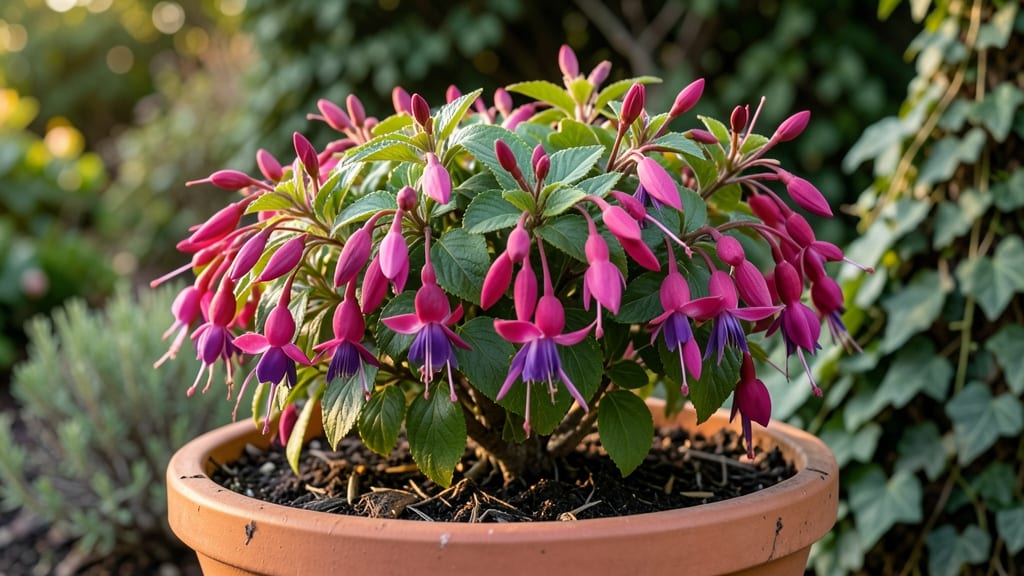
Bush fuchsia plants transform your garden into a fragrant, colorful haven with almost no effort. 🌿 I’ve grown these cascading beauties for years, and their velvety blooms and glossy leaves never fail to impress—even when I forget to water them. They thrive in partial shade, making them perfect for spots where sun-loving plants struggle. The key is rich, well-draining soil and consistent moisture, but they’re forgiving if you slip up occasionally. Once established, they’ll reward you with continuous blooms from spring through fall—and sometimes even winter in mild climates. What’s magical is how they attract hummingbirds and butterflies while adding texture to borders or containers. Their trailing habit also makes them ideal for hanging baskets or spilling over walls. You’ll love how effortlessly they fill empty spaces with color. For best results, prune lightly after flowering to encourage bushier growth. They’re also surprisingly cold-hardy in zones 7-10, making them one of the most versatile perennials for gardeners who want beauty without the fuss.
📚 In This Guide
- What you need
- Instructions
- Tips and common mistakes
- Wrapping up and next steps
What you need
- ● Bush fuchsia plants: 1–3 nursery-grown plants (or seeds/cuttings if propagating). Choose Fuchsia magellanica or hybrid varieties like ‘Gartenmeister Bonstedt’ for bushy growth.
- ● Well-draining potting mix: 1–2 bags (5–10 quarts each). Mix 50% peat moss or coconut coir + 30% perlite + 20% compost for optimal aeration.
- ● Containers or garden bed: Containers: 12–16" diameter pots (1 per plant) with drainage holes.
- ● Garden bed: Partial shade (4–6 hours sun) + moist, acidic soil (pH 5.5–6.5). Amend clay soil with 1 part sulfur per 10 parts soil if needed.
- ● Slow-release fertilizer: 1 lb of 10-10-10 or 5-5-5 (organic options like fish emulsion work too!).
- ● Mulch: 2–3 inches of pine bark or shredded leaves to retain moisture and acidify soil.
- ● Garden trowel or transplant spade (for digging holes or repotting).
- ● Pruning shears (sterilized with rubbing alcohol to prevent disease).
- ● Watering can with a rose attachment (for gentle, deep watering).
- ○ pH test kit (optional but helpful for monitoring soil acidity).
- ● Glove (to protect hands from thorns on some varieties).
- ● Ebb-and-flow tray (for container growers to automate watering).
- ● Humidity dome (if propagating from cuttings).
- ● Stakes or trellis (if training vining varieties like Fuchsia ‘Riccartonii’).
- ● Liquid bloom booster (like fish hydrolysate) for extra fragrance.
Step-by-step instructions for cultivating bush fuchsia plants
These fragrant beauties thrive with just a few key steps—here’s how to coax year-round blooms from your plants.
🌱 Step 1: Select the Right Location for Light and Humidity
Bush fuchsias crave bright, indirect light—think east-facing windows or 6-8 feet from a south window. Direct midday sun scorches their delicate leaves, while too little light stunts blooms. I place mine near a sheer curtain to diffuse harsh rays while ensuring plenty of brightness. If growing indoors, supplement with a grow light for 12-14 hours daily during winter’s short days.
Humidity is non-negotiable. These tropical plants wilt in dry air, so group them with other houseplants or use a pebble tray with water beneath the pot. Mist leaves lightly in the morning—just avoid soaking the blooms, which can cause spotting. You’ll know humidity is right when leaves stay plump and glossy, not crispy at the edges.
💧 Step 2: Master the Watering Balance
Water when the top inch of soil feels dry to the touch, but never let the roots sit in soggy soil. I use the "finger test"—stick your index finger into the soil up to the first knuckle. If it’s dry, water thoroughly until it drains from the bottom. Bush fuchsias store water in their stems, so underwatering causes droopy leaves, while overwatering rots the roots faster than you’d think.
Use room-temperature water to avoid shocking the roots, and always water at the base, never from above. This prevents fungal spores from splashing onto leaves. In winter, reduce watering by half—these plants enter a semi-dormant state and need far less moisture. Yellowing leaves? You’re likely overwatering. Brown, crispy edges? Time to boost humidity.
☀️ Step 3: Encourage Blooms with Proper Feeding
Feed every 2-4 weeks during spring and summer with a balanced, water-soluble fertilizer (10-10-10 or 20-20-20) diluted to half strength. I switch to a low-phosphorus formula (like 30-10-10) in late summer to promote more blooms than foliage. Always water the plant first—fertilizer burns roots when soil is dry. Stop feeding in fall and winter unless you’re growing under grow lights year-round.
Deadhead spent blooms by snipping the stem just above the next set of leaves. This redirects energy to new flowers instead of seed production. Prune leggy stems back by one-third in early spring to encourage bushier growth. You’ll see a surge of fresh blooms within 4-6 weeks if the plant is otherwise healthy. No blooms? Check your light—fuchsias need bright, consistent light to flower.
✂️ Step 4: Prune and Propagate for Long-Term Health
Prune in early spring before new growth starts. Cut back overgrown stems by one-third to shape the plant and encourage dense foliage. Use clean, sharp scissors to make cuts at a 45-degree angle just above a leaf node. This prevents water from pooling on the stem, which invites rot. Remove any yellow or brown leaves immediately—they drain the plant’s energy.
Propagate in spring or early summer by taking 4-inch cuttings just below a leaf node. Dip the cut end in rooting hormone (optional but helpful) and plant in moist perlite or sand. Cover with a plastic bag to retain humidity and place in bright, indirect light. Roots form in 3-6 weeks—you’ll see new growth at the base as your signal. Transplant rooted cuttings into 3-inch pots with fresh potting mix once established.
🪴 Step 5: Overwinter for Year-Round Blooms
Reduce watering and stop fertilizing in fall as daylight shortens. Move plants to a cool but bright spot (55-65°F) with no drafts—they’ll drop some leaves, which is normal. Check soil weekly; it should stay slightly moist but not wet. If leaves yellow, it’s likely overwatering in the dormant period. Resume regular care in early spring when buds form.
If your fuchsia outgrows its pot (usually every 2-3 years), repot in spring into a container just 1-2 inches larger than the current one. Use well-draining potting mix with added perlite to prevent compaction. Gently tease apart roots if they’re circling, then water thoroughly. The plant may drop a few leaves during repotting, but it recovers quickly with proper aftercare.
Tips & tricks for perfect bush fuchsia care
Here's what nobody tells you about keeping these fragrant plants thriving year after year.
Light Optimization: The 12-14 hours of supplemental grow light during winter is your secret weapon for continuous blooms. Position your grow light 6-12 inches above the plant and use a timer to automate the process. I've found that LED grow lights with full-spectrum bulbs work best—avoid cheap fluorescent options that can leave plants looking stretched and weak. The key is maintaining consistent light intensity without heat buildup, which can stress the plant.
Humidity Hacks: For maximum humidity without constant misting, create a DIY greenhouse by placing your fuchsia on a tray filled with pebbles and water, then covering it with a clear plastic dome. This creates a microclimate that retains moisture perfectly. Another trick: Place your plant on top of the refrigerator—the cool surface helps prevent water evaporation while maintaining humidity levels. Just remember to rotate your plant weekly so all sides get even light exposure.
Pruning Precision: When pruning those leggy stems back by one-third in early spring, make your cuts just above a leaf node at a 45-degree angle. This angled cut prevents water from pooling on the stem, which is crucial for preventing rot. I always sterilize my pruning shears with rubbing alcohol between cuts to avoid spreading any potential pathogens. The one-third rule isn't arbitrary—it's the perfect balance between encouraging bushier growth and maintaining the plant's energy reserves for flowering.
Overwintering Strategy: During the dormant period, the 55-65°F range is ideal but can be tricky to maintain. If your home tends to be too warm, consider moving your fuchsia to a cooler basement area with good light. Just be sure to avoid drafty spots or sudden temperature fluctuations. I've had success using a small space heater with a thermostat to maintain consistent temperatures in winter. This careful temperature control is what prevents that dreaded leaf drop during dormancy.
Pro Tips for Bush Fuchsia Plants
- Here's what nobody tells you about keeping these fragrant plants thriving year after year.
- Light Optimization: The 12-14 hours of supplemental grow light during winter is your secret weapon for continuous blooms.
- Humidity Hacks: For maximum humidity without constant misting, create a DIY greenhouse by placing your fuchsia on a tray filled with pebbles and water, then covering it with a clear plastic dome.
Frequently asked questions
Got questions about growing bush fuchsias?
You’re not alone! Here are answers to the most common queries—from planting tips to troubleshooting—to help you keep your fragrant blooms thriving with ease.
When is the best time to plant bush fuchsias?
Plant bush fuchsias in early spring (after the last frost) or late summer for best results. They thrive in warm soil and need time to establish roots before winter. If planting in containers, you can also start them indoors 6–8 weeks before the last frost for a head start!
How often should I water bush fuchsias?
Water them regularly but avoid soggy soil. Aim for about 1 inch of water per week, adjusting for heat or drought. Bush fuchsias prefer consistent moisture—let the top inch of soil dry out between waterings. Mulching helps retain moisture and keeps roots cool.
What pests or diseases commonly affect bush fuchsias?
Watch for aphids, spider mites, and whiteflies, which love the tender new growth. Treat infestations with neem oil or insecticidal soap. Overwatering can lead to root rot, so ensure well-draining soil. Prune affected leaves promptly to prevent spread.
Can bush fuchsias survive winter outdoors?
In USDA zones 9–11, they’re perennial and winter-hardy. For colder climates (zones 7–8), dig up containers or mulch heavily and protect with frost cloth. In zones below 7, grow them as annuals or overwinter indoors with bright light.
Are there low-maintenance alternatives to bush fuchsias?
If you want fragrant, low-care blooms, try sweet alyssum (tiny white/purple flowers), lantana (drought-tolerant and colorful), or dwarf gardenias (scented but slower-growing). All three thrive in similar sunny spots with minimal fuss!
Wrapping up and next steps
Bush fuchsias are a gardener’s dream—vibrant, fragrant, and effortlessly low-maintenance. Whether you’re brightening up a shady corner or adding a pop of color to your patio, these plants deliver year-round blooms with minimal fuss.
Now that you’re equipped with the right knowledge, why not plant one today? Start small with a single pot or dive into a full garden transformation—your space (and senses!) will thank you.
🌱 Next step: Pick your favorite variety, grab your tools, and get growing! Happy gardening! 🌸