
Pruning
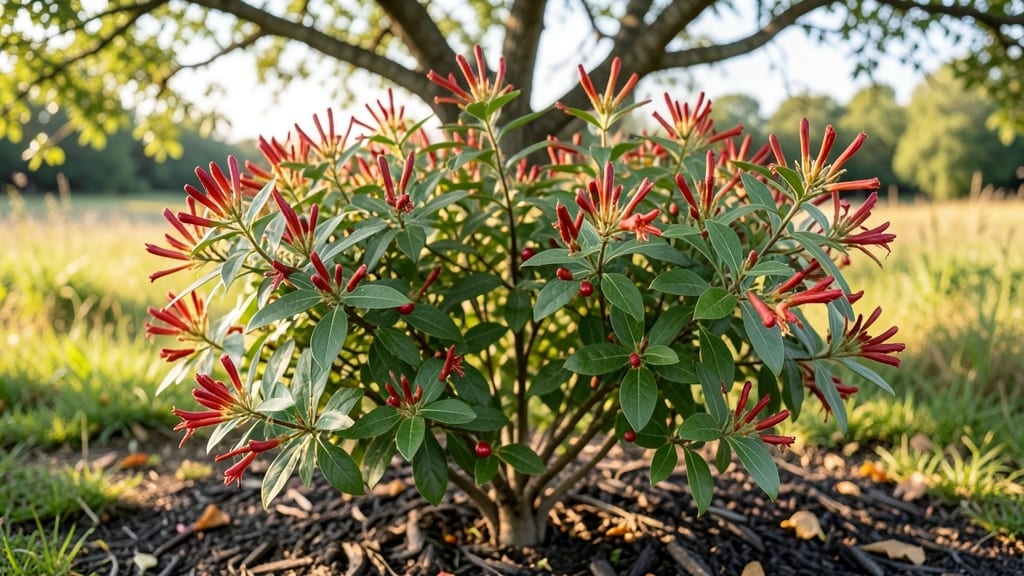
Pruning your bush honeysuckle tree unlocks year-round fragrance and keeps it lush. 🌿 I’ve learned the hard way—skipping pruning means tangled branches and fewer blooms, but a few cuts in early spring transforms it into a pollinator magnet.
The key is timing and technique, and I’ll show you exactly how to do it without stress.
The right tools and a little prep make all the difference. Grab sharp pruning shears, gloves, and a clear day—you’ll want to see every cut. Focus on shaping the bush while removing dead or crossing branches first.
This isn’t just about looks; it’s about encouraging new growth where the scent is strongest.
By summer’s end, you’ll have a bush bursting with fragrant blooms and glossy leaves. The birds and bees will thank you, and your garden will smell like a spring meadow all year. Just remember: prune lightly in fall to tidy up, but avoid heavy cuts—this plant rewards patience.
Works for both Lonicera fruticosa and Lonicera maackii, whether you’re growing it as a hedge, screen, or standalone shrub. Let’s get those shears ready!
📚 In This Guide
- What you need
- Instructions
- Tips and common mistakes
- Wrapping up and next steps
What you need
- ● Pruning shears: Bypass pruners (sharp, 8- to 10-inch blades) for small branches.
- ● Loppers: 20- to 24-inch for thicker branches (up to 2 inches in diameter).
- ● Pruning saw: Curved-tooth for branches larger than 2 inches.
- ● Gloves: Heavy-duty, gardening or pruning gloves (cut-resistant for safety).
- ● Disinfectant: 70% isopropyl alcohol or a 10% bleach solution (1 part bleach to 9 parts water) to sterilize tools.
- ● Trash bags: Heavy-duty (20-gallon size) for debris disposal.
- ○ Pruning sealant (optional but recommended): Tree wound paint (like Tanglefoot Tree Wound Pruning Sealer) for cuts over ½ inch.
- ● Extension pole: For hard-to-reach branches (look for a 10- to 12-foot telescoping pole).
- ● Safety glasses: To protect against debris.
- ● Knee pads: For comfort during extended pruning sessions.
- ● Spray bottle: With water to mist tools and reduce dust.
- ● Notebook & pen: To jot down pruning notes or sketch a simple map of your tree.
Step-by-Step guide to pruning your bush honeysuckle tree
This is how I keep my bush honeysuckle thriving—and smelling amazing—year after year.
✂️ Step 1: Prune in Late Winter Before New Growth Begins
Use clean, sharp pruning shears to remove any dead, diseased, or crossing branches first. I always start with these because they’re the easiest to spot—they’re brown, brittle, or growing inward. Cut back to the nearest outward-facing bud or branch collar to encourage healthy regrowth.
Next, thin out any branches that are rubbing against each other. Friction weakens the tree over time, and you’ll see small wounds or calloused areas where branches have been chafing. Remove about one-third of the oldest wood this time of year to promote new, fragrant growth. The goal is to open up the center of the tree so light and air can circulate freely.
✂️ Step 2: Shape the Tree in Early Spring After Blooms Fade
Once the flowers have finished blooming (usually 4-6 weeks after the first flush), it’s time to shape the tree. I focus on maintaining a natural, open form by trimming back any overly long or leggy branches. Cut just above a leaf node or bud that faces outward—this ensures the new growth will fill in nicely.
If your bush honeysuckle is getting too wide, I recommend pruning back some of the outer branches by about one-third of their length. This keeps the tree compact and prevents it from becoming too top-heavy. Always step back occasionally to check the overall shape—you want a balanced, rounded silhouette that still lets sunlight reach the inner branches.
☀️ Step 3: Light Pruning in Summer to Encourage More Blooms
During the growing season, I do a quick check every 4-6 weeks to remove any suckers or water sprouts that pop up. These are the fast-growing, weak shoots that steal energy from the main branches. Snip them off at the base with sharp shears—no need for anything fancy here, just a clean cut.
If you notice any branches that are growing too close together, thin them out to improve airflow. Bush honeysuckle trees bloom on new wood, so light pruning in summer actually encourages more flowers next year. Just avoid heavy pruning now—stick to removing no more than 10-15% of the foliage to keep the tree from getting stressed.
✂️ Step 4: Clean Up in Fall Before Dormancy
As the leaves start to yellow and drop (usually in late October or early November, depending on your climate), do a final pruning pass. Remove any dead or dying branches, as well as any that are crossing or growing in awkward directions. This is also the time to trim back any branches that grew too long during the summer.
I like to rake up and dispose of all the fallen leaves and debris around the base of the tree. This helps prevent pests and diseases from overwintering in the soil. If you notice any signs of disease—like black spots on the leaves or oozing cankers on the branches—prune those areas out immediately and sterilize your shears with rubbing alcohol to avoid spreading anything.
⏰ Step 5: Monitor and Adjust Throughout the Year
Keep an eye on your bush honeysuckle tree throughout the year. If you notice any branches growing in an odd direction or rubbing against each other, trim them back as needed. The key is to prune little and often rather than doing one big job—this keeps the tree healthy and encourages strong, fragrant growth.
I also recommend fertilizing lightly in early spring with a balanced, slow-release fertilizer to support new growth. Water deeply after pruning to help the tree recover, but avoid overwatering—bush honeysuckle trees prefer well-drained soil and can handle some drought once established. With consistent care, your tree will reward you with year-round fragrance and beautiful blooms.
Tips & tricks for perfect bush honeysuckle pruning
These simple strategies will help you keep your fragrant honeysuckle thriving all year long.
Tool Prep: Always sterilize your pruning shears with rubbing alcohol between cuts, especially when dealing with diseased branches. I keep a small bottle of 70% isopropyl alcohol in my gardening toolkit—just wipe down the blades after each cut to prevent spreading pathogens. Clean tools also give you cleaner cuts, which heal faster and look more professional.
Seasonal Timing: The 4-6 week window after blooms fade in Step 2 is critical for shaping. I mark my calendar for this timing because it ensures I'm not pruning when the tree is already stressed from flowering. If you miss this window, don't worry—just wait until the next natural pause in growth before shaping. The tree will still respond well to careful pruning.
Visual Pruning Cues: When thinning branches in Step 3, look for the "V" shape where branches meet the trunk—the branch collar. Cut just above this point to maintain the tree's natural healing ability. I also check for branches that grow at sharp angles (less than 45 degrees) to the trunk—these are more likely to break in storms and should be removed during your winter pruning.
Fertilizer Timing: The early spring fertilization mentioned in Step 5 should be done right after your final winter pruning, but before new growth appears. I use a slow-release 10-10-10 fertilizer and apply it when the soil is still cool—this prevents the tree from putting all its energy into leaf growth rather than establishing a strong root system. Water deeply after applying to help distribute the nutrients.
Pro Tips for Bush Honeysuckle Tree
- These simple strategies will help you keep your fragrant honeysuckle thriving all year long.
- Tool Prep: Always sterilize your pruning shears with rubbing alcohol between cuts, especially when dealing with diseased branches.
- Seasonal Timing: The 4-6 week window after blooms fade in Step 2 is critical for shaping.
Frequently asked questions
When is the best time to prune bush honeysuckle for maximum fragrance?
The ideal time is late winter or early spring (just before new growth starts). This encourages vigorous blooming and maintains that sweet scent. Avoid heavy pruning in fall—it can stimulate tender growth that won’t survive winter. A light trim in summer after flowering helps shape the tree and keeps it tidy.
How much can I prune without harming the tree?
You can safely remove up to one-third of the plant’s growth in a single session. For bush honeysuckle, focus on:
- Dead or diseased branches (cut at the base)
- Crossing or rubbing branches (to improve airflow)
- Overcrowded stems (thin out to the center)
Why isn’t my bush honeysuckle fragrant this year?
Several factors can dull the scent:
- Poor pruning timing (e.g., cutting back after blooms)
- Nutrient deficiencies (add compost or a balanced fertilizer in spring)
- Overcrowding (thin out branches for better airflow)
- Pests/disease (check for aphids or fungal spots)
Can I replace bush honeysuckle with a less invasive, fragrant alternative?
If you’re concerned about bush honeysuckle’s invasiveness, try these fragrant, low-maintenance options:
- Japanese honeysuckle (Lonicera japonica) – Less aggressive, climbs well
- Mock orange (Philadelphus) – Highly fragrant white blooms, compact size
- Forsythia – Bright yellow flowers, easy to prune
- Deutzia – Airy clusters of white/pink blooms
Does bush honeysuckle need special care after pruning?
After pruning, give your tree a little TLC:
- Water deeply (especially if spring is dry)
- Apply mulch (2–3 inches around the base to retain moisture)
- Monitor for pests (neem oil can help prevent aphids)
- Avoid heavy fertilizer (too much nitrogen reduces flowering)
Wrapping up and next steps
Pruning your bush honeysuckle tree isn’t just about keeping it tidy—it’s your secret to year-round fragrance and lush growth. 🌿 With the right tools, timing, and techniques, you’ll transform your yard into a blooming, aromatic haven.
Remember: consistency is key, and a little effort now means stunning results later!
Ready to take the next step? Mark your calendar for your first pruning session—whether it’s shaping those early spring blooms or giving it a mid-summer refresh. Grab your gloves, and let’s make your honeysuckle tree the star of your outdoor space! 🌸