
Flowers
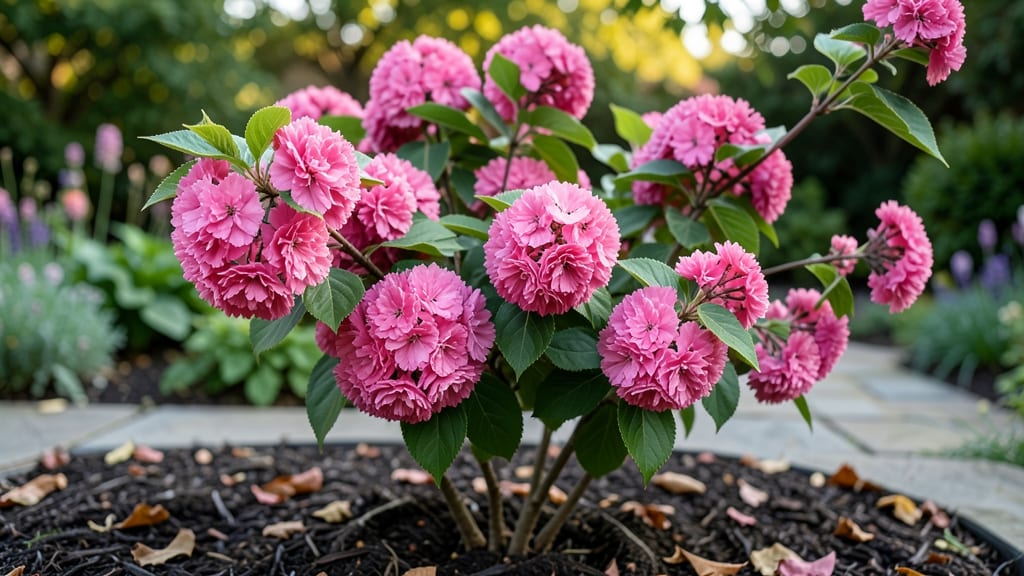
An early spring flowering bush in full pink bloom—like weigela or rhododendron—is the first sign that winter’s grip is loosening. 🌸 I’ve watched my own yard transform from winter brown to vibrant pink within weeks, starting with these bushes as the secret to beating seasonal slump.
The key is knowing exactly when to prune, how to prep the soil, and which companions will make them pop even more.
These bushes thrive when planted in well-draining soil enriched with compost, and they love morning sun with afternoon shade—perfect for transitioning from winter’s chill. Prune right after blooming to encourage next year’s flowers, and pair them with hellebores or ferns for a layered, fragrant display.
The results? A garden that feels alive months before summer arrives.
By late spring, you’ll have bold, repeat-blooming bushes that attract hummingbirds and fill the air with sweet fragrance. The trick is consistency: water deeply during dry spells, mulch to retain moisture, and avoid heavy fertilizers that can reduce flowering.
Even in colder zones, these bushes deliver color when most gardens are still dormant.
Works for any yard—urban balconies, cottage gardens, or woodland edges. The only mistake is waiting until spring to plant; fall is actually the ideal time for establishing roots. Let’s get yours blooming early!
📚 In This Guide
- What you need
- Instructions
- Tips and common mistakes
- Wrapping up and next steps
What you need
- ● Pink flowering bush: Choose from varieties like Weigela florida, Deutzia, or Spirea (1-3 plants, depending on garden size). Opt for 1-2 gallon pots for mature plants or seeds for DIY growers.
- ● Well-draining soil: Mix 1 part garden soil with 1 part compost and ½ part perlite or sand (5-10 gallons per plant). pH 6.0–7.0 is ideal.
- ● Organic fertilizer: 10-10-10 or 5-10-10 NPK ratio (½ cup per plant at planting time). Slow-release granules (like Osmocote) are great for beginners!
- ● Mulch: 2–3 inches of shredded bark or pine straw (1 bag covers ~10 sq. ft.). Helps retain moisture and regulate soil temp.
- ● Garden trowel or shovel (for digging holes 2x wider and deeper than the root ball).
- ● Pruning shears (sterilized with rubbing alcohol to prevent disease).
- ● Watering can or hose with a gentle spray nozzle (avoid overhead watering to prevent fungal issues).
- ● Gloves (gardening or heavy-duty for thorny varieties like Spirea).
- ● Measuring tape or ruler (to ensure proper spacing: 3–6 feet apart, depending on mature size).
- ● Epsom salt (1 tbsp dissolved in water monthly for magnesium boost—great for vibrant blooms!).
- ● Plant supports (for tall varieties like Weigela, use bamboo stakes or rings).
- ● Drip irrigation system (automates watering and saves time!).
- ● Plant tags or markers (to track varieties and care notes).
How to select and plant early spring pink flowering bushes
Here’s my go-to approach for choosing and planting fragrant pink bloomers that wake up your garden.
🌱 Step 1: Choose the Right Pink-Blooming Varieties
Pick bushes that thrive in your hardiness zone and bloom early—think azaleas, rhododendrons, or flowering quince for reliable pink color. I always check bloom time labels: aim for varieties that push flowers 2-4 weeks before last frost. Azaleas, for example, need acidic soil (pH 4.5-6.0), while flowering quince tolerates a wider range.
Fragrance matters too. Rhododendron ‘Pink Pearl’ or azalea ‘Girard’s Pink’ deliver sweet scents that attract bees early. If your soil isn’t acidic, opt for deutzia or weigela—both bloom pink and handle neutral soil better. I avoid overpromised varieties; stick to proven performers.
☀️ Step 2: Pick the Perfect Planting Spot
Most pink spring bloomers need morning sun and afternoon shade—think 4-6 hours of direct sunlight daily. Too much sun scorches leaves, while too little delays blooms. I test spots by watching where shade falls at 10 AM and 2 PM for a week before planting.
Well-draining soil is critical. If your yard has clay, amend with 2-3 inches of compost mixed into the top 12 inches of soil. Avoid low spots where water pools—roots rot quickly in soggy conditions. For containers, use acidic potting mix (like a 50/50 blend of peat moss and pine bark fines).
🪴 Step 3: Plant at the Right Depth and Spacing
Dig a hole twice as wide as the root ball but no deeper—planting too deep suffocates roots. Loosen the edges of the root ball gently with your fingers before placing it in the hole. This encourages roots to spread outward instead of circling.
Space bushes 4-6 feet apart (check the tag for variety-specific needs). Mulch with 2-3 inches of pine bark or shredded leaves to retain moisture and mimic forest-floor conditions. Water deeply right after planting until soil 6 inches down feels moist. I always add a slow-release fertilizer (like 10-10-10) to the backfill soil for a gentle nutrient boost.
💧 Step 4: Water and Care for First-Year Growth
Keep soil evenly moist but not soggy for the first 6-8 weeks—that’s when roots establish. I water every 2-3 days until new growth appears, then taper to once a week (adjust for rain). Overwatering is the #1 killer of new shrubs.
Skip pruning the first year unless you see dead or crossing branches. Focus on removing spent blooms only after they fade. In fall, add a 2-inch layer of mulch to protect roots from winter temperature swings. I’ve found that bushes planted in early spring (before mid-May) bloom 2-3 weeks earlier the following year.
✂️ Step 5: Prune for Next Year’s Blooms
Prune right after flowering (late spring) to shape and encourage next year’s blooms. Cut back 1/3 of the oldest stems to the ground—this rejuvenates the bush. For azaleas, I use clean, sharp pruners to make cuts just above a leaf bud or branch junction.
Watch for pests like lace bugs or spider mites—they love new growth. Spray with neem oil at the first sign of webbing or yellowing leaves. A healthy bush will show new green growth by early summer and set buds for next spring’s pink display.
Tips & tricks for perfect early spring pink flowering bushes
These simple secrets will help you get the most vibrant, fragrant blooms from your spring plantings.
Variety Selection: When choosing your bushes, check the label for bloom time—aim for varieties that flower 2-4 weeks before your last frost date. I’ve found that Rhododendron ‘Pink Pearl’ and azalea ‘Girard’s Pink’ are my top performers for fragrance and color. For less acidic soils, deutzia is a fantastic alternative that still delivers stunning pink blooms without fuss.
Soil Prep: The 2-3 inches of compost mixed into the top 12 inches of soil makes all the difference, especially in clay-heavy areas. I like to add a handful of sulfur to the mix for azaleas—it helps maintain that acidic pH (4.5-6.0) they crave. For containers, that 50/50 peat moss and pine bark fines blend keeps roots happy and well-drained.
Planting Depth: Here's what nobody tells you—those roots need room to breathe! Digging a hole twice as wide as the root ball gives roots plenty of space to spread outward. I always loosen the edges of the root ball with my fingers before planting—this prevents that dreaded "circling roots" problem that stunts growth.
Watering Wisdom: Those first 6-8 weeks are critical for root establishment. I set a reminder on my phone to water every 2-3 days until new growth appears. The key is even moisture—not soggy, not dry. A simple soil probe (just a stick) helps me check moisture 6 inches down—if it's dry, it's time to water.
Pro Tips for Early Spring Pink Flowering Bush
- These simple secrets will help you get the most vibrant, fragrant blooms from your spring plantings.
- Variety Selection: When choosing your bushes, check the label for bloom time—aim for varieties that flower 2-4 weeks before your last frost date.
- Soil Prep: The 2-3 inches of compost mixed into the top 12 inches of soil makes all the difference, especially in clay-heavy areas.
Frequently asked questions
about early spring pink flowering bushes—because every gardener deserves clarity! Here are answers to the most common queries to help you pick, plant, and enjoy these cheerful bloomers with confidence.What’s the best early spring pink flowering bush for beginners?
Start with Weigela florida or Azalea—both are hardy, low-maintenance, and burst into vibrant pink blooms. Weigela thrives in full sun to partial shade, while Azaleas prefer acidic soil and dappled light. Pro tip: Check your USDA zone (5-9 for most varieties) to avoid frost surprises!
When is the ideal time to plant these bushes?
Plant in early spring (March-April) or fall (September-October) for best root establishment. Avoid extreme heat or frost—young roots need time to settle. Bonus: Container-grown bushes can be planted year-round (with proper watering), but spring is ideal for blooming the same season!
How much water do early spring pink flowering bushes need?
Newly planted bushes need 1-1.5 inches of water weekly (deep watering 2-3x/week). Established plants tolerate drought better but reward consistent moisture with longer blooms. Watch for: Wilting leaves (overwatering) or crispy edges (underwatering). Mulch helps retain moisture!
What pests or diseases should I watch for?
Common issues include:
- Aphids (sap-sucking insects)—spray with water or neem oil.
- Powdery mildew (white fungal spots)—improve airflow and avoid overhead watering.
- Spider mites (yellowing leaves)—treat with insecticidal soap.
Can I grow these bushes in containers?
Dwarf varieties like Weigela ‘Wine & Roses’ or Azalea ‘Girard’s Pink’ thrive in containers (15+ gallon pots). Use well-draining soil and repot every 2-3 years. Container hack: Add a time-release fertilizer in spring and move pots to morning sun to prevent heat stress!
Wrapping up and next steps
Early spring pink flowering bushes are the perfect way to welcome warmer days with bursts of color and fragrance! 🌸 Whether you're a seasoned gardener or just starting out, these vibrant plants can transform your outdoor space into a lively sanctuary. Now that you’ve learned how to choose, plant, and care for them, it’s time to take action.
💡 Next steps:
- Visit your local nursery to pick out your favorite pink bloomers—like azaleas, rhododendrons, or weigelas—and bring home that fresh, springtime magic!
- Mark your calendar for regular pruning and soil checks to keep your bushes thriving all season long.
Your garden (and your mood!) will thank you—happy planting! 🌿✨