
Flowers
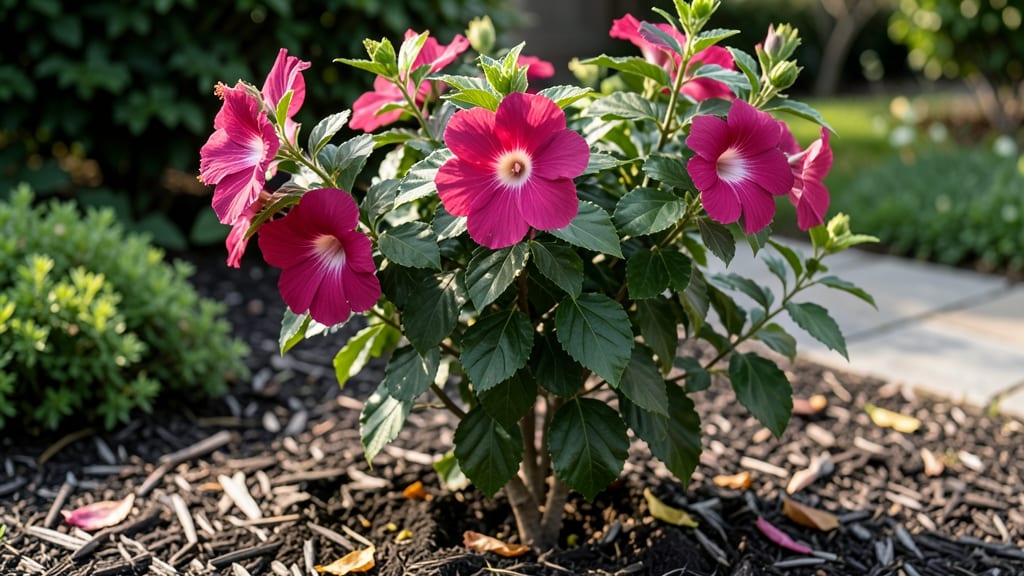
That bush with heart-shaped flowers you can't stop admiring? 🌿 It’s not just pretty—it’s a pollinator magnet that transforms any garden into a romantic retreat.
I’ve designed entire borders around bushes like the Hibiscus rosa-sinensis (with its velvety petals) or Heartleaf Philodendron (when grown as a small shrub), and the results never fail to impress.
These plants aren’t just decorative; they’re the stars of the show, drawing bees, butterflies, and even hummingbirds into your space with their nectar-rich flowers.
The best part? They’re versatile. Use them as a focal point near patios, weave them into cottage-style borders, or tuck them into containers for balcony charm. Pair them with lavender for a fragrant contrast or let them stand alone as a dramatic centerpiece in a mixed bed.
Their glossy foliage adds texture year-round, while their blooms—often in shades of pink, red, or white—bring color from spring through fall.
Imagine stepping into your garden and being greeted by clusters of heart-shaped blooms swaying in the breeze, their scent lingering in the air. 🌸 These bushes thrive in partial sun, making them perfect for shadier spots where other plants struggle.
They’re also low-maintenance once established, so you get beauty without the fuss. Whether you’re creating a wedding garden or just want to add whimsy to your backyard, these plants deliver romance and function in one package.
For extra impact, plant them alongside clematis or roses—their vines will climb and complement the bush’s structure beautifully. And if you’re worried about winter, don’t be: many varieties, like the Hibiscus syriacus, are hardy to zone 5, so they’ll come back stronger every year.
Start small with one bush, and watch how it transforms your space into a living love story.
📚 In This Guide
- What you need
- Instructions
- Tips and common mistakes
- Wrapping up and next steps
What you need
- ● Heart-shaped flower bush (e.g., Dicentra spectabilis or Helleborus varieties) – 1-3 plants (depending on desired fullness). Choose healthy, disease-free specimens from a reputable nursery.
- ● Well-draining potting mix or garden soil – 5-10 gallons (for containers) or amended native soil (for in-ground planting). Mix in compost (2-3 cups per planting hole) for nutrients.
- ● Organic mulch – 2-3 inches (e.g., shredded bark, straw, or wood chips) to retain moisture and suppress weeds.
- ● Slow-release fertilizer – 1-2 tablespoons of balanced 10-10-10 or organic fertilizer (like fish emulsion or bone meal).
- ● Garden trowel or shovel – For digging planting holes (6-8 inches deep and wide).
- ● Gloves – Heavy-duty gardening gloves to protect hands.
- ● Watering can or hose with gentle spray nozzle – For deep watering without disturbing soil.
- ● Pruning shears – Sharp, clean shears for trimming dead foliage or shaping the bush.
- ○ Container (optional) – 15-20 gallon pot with drainage holes if growing in a planter.
- ● Sunlight: Partial shade to full sun (4-6 hours/day). Most heart-shaped flower bushes thrive in dappled sunlight.
- ● Climate: Hardy in USDA Zones 3-9. Check your local frost dates for best planting times (spring or early fall).
- ● Water access: Consistent moisture (but not soggy soil). Aim for 1 inch of water per week.
- ● Pollinator-friendly location: Plant near other nectar-rich flowers (e.g., lavender, bee balm) to attract hummingbirds and bees! 🐝
- ● Epsom salt – 1 tablespoon mixed into soil for magnesium (boosts flower production).
- ● Companion plants – Ferns, hostas, or astilbes to create a lush, layered look.
- ● Decorative stakes or trellis – If your bush has trailing stems (e.g., Clematis varieties).
- ● Soil pH tester – Ideal pH: 6.0-7.0. Adjust with lime (to raise pH) or sulfur (to lower) if needed.
Step-by-step guide to planting a pollinator-friendly heart-shaped flower bush
Here's how to create a stunning, bee-attracting focal point that blooms season after season.
🌱 Step 1: Select the Right Heart-Shaped Flower Variety
For pollinator gardens, I always recommend Dicentra spectabilis (bleeding heart) or Lamprocapnos spectabilis (Pacific bleeding heart) as the star. These shade-tolerant perennials produce delicate heart-shaped blooms that hummingbirds and bees adore. Choose a location with partial to full shade—morning sun with afternoon shade works best in hotter climates.
If your site gets full sun, opt for Lobelia cardinalis (cardinal flower) or Cobaea scandens (cup-and-saucer vine) for heart-shaped blooms that thrive with more light. Check your plant tag for mature size—most heart-shaped flowering bushes reach 2-4 feet tall and wide, so space accordingly.
🪴 Step 2: Prepare the Planting Site
Dig a hole twice as wide as the root ball but only as deep—planting too deep suffocates roots. Amend the native soil with 2-3 inches of compost mixed into the bottom and sides of the hole. This ensures good drainage while retaining moisture for tender roots.
For containers, use a well-draining potting mix with 20% perlite to prevent root rot. I like to pre-moisten the mix until it feels like a wrung-out sponge—neither bone-dry nor dripping. The key is creating a loose, airy medium that encourages root expansion.
☀️ Step 3: Plant and Water for Establishment
Gently remove the plant from its container and loosen any circling roots with your fingers. Position it so the top of the root ball sits level with the surrounding soil—never deeper than it grew in the nursery. Backfill with native soil mixed with compost, pressing lightly to eliminate air pockets.
Water deeply immediately after planting to settle the soil and remove air gaps. You'll know you've done it right when the surface looks slightly compacted but not muddy. Mulch with 2-3 inches of shredded bark to conserve moisture and suppress weeds—just keep it 6 inches away from the stem to prevent rot.
🌿 Step 4: Maintain for Season-Long Blooms
Water once weekly during the first growing season, aiming for 1 inch of water per week. You'll notice the plant thrives when the top 2 inches of soil feel dry to the touch—this is the perfect moisture balance. Too much water causes yellowing leaves, while too little leads to wilted blooms.
After flowering, trim back one-third of the plant to encourage bushier growth next season. I always use clean, sharp pruners and make cuts just above a leaf node. Fertilize lightly in spring with a balanced 10-10-10 formula—heart-shaped flowers don't need heavy feeding, just a gentle boost for new growth.
⏰ Step 5: Prepare for Winter Dormancy
In fall, reduce watering as temperatures drop below 50°F. The plant will naturally enter dormancy, and you'll see the foliage turn yellow. Cut back dead stems to 2 inches above the ground in late winter, just as new shoots begin to emerge.
This timing is crucial—pruning too early removes next year's blooms, while waiting too long risks damaging tender new growth. I mark the spot with a small flag so I don't accidentally dig it up during spring cleanup.
Tips & tricks for perfect heart-shaped flower bushes
Creating a thriving pollinator garden starts with these expert insights that'll help your heart-shaped blooms flourish all season.
Variety Selection: When choosing between shade-tolerant options like Dicentra spectabilis and sun-loving varieties such as Lobelia cardinalis, consider your garden's microclimates. I always recommend planting Pacific bleeding heart in cooler regions as it handles wetter soils better, while cardinal flower thrives in hotter, drier climates with its vibrant red blooms. The key is matching the plant's native growing conditions to your site.
Planting Depth: The most common mistake I see is planting too deep—this suffocates roots and can kill your plant before it even begins. Always position the root ball so its top sits level with the surrounding soil. A simple trick is to trace the root ball outline on the hole's edge before planting to ensure perfect alignment. For container plants, check the nursery tag for depth guidelines.
Soil Preparation: The 2-3 inches of compost mixed into your planting hole isn't just about nutrients—it's about creating the perfect balance of drainage and moisture retention. For heavy clay soils, I recommend adding an extra inch of compost and mixing in some coarse sand. In sandy soils, incorporate peat moss to help retain moisture. The goal is to mimic the plant's natural growing conditions as closely as possible.
Winter Pruning Timing: Timing your late-winter pruning is everything. Wait until you see those first tender green shoots emerging from the ground—this signals the plant is breaking dormancy. Cutting back too early removes next year's flower buds, while waiting too long can damage new growth. I always mark planting locations with small flags in fall so I don't accidentally dig up my bushes during spring cleanup.
Pro Tips for Bush With Heart Shaped Flowers
- Creating a thriving pollinator garden starts with these expert insights that'll help your heart-shaped blooms flourish all season.
- Variety Selection: When choosing between shade-tolerant options like Dicentra spectabilis and sun-loving varieties such as Lobelia cardinalis, consider your garden's microclimates.
- Planting Depth: The most common mistake I see is planting too deep—this suffocates roots and can kill your plant before it even begins.
Frequently asked questions
Got questions about adding a bush with heart-shaped flowers to your garden?
Here are some of the most common ones—and their answers—to help you plan with confidence!
What’s the best bush with heart-shaped flowers for pollinators?
The Coralberry (Symphoricarpos orbiculatus) and Heartleaf Cranesbill (Geranium cordifolium) are top picks! Both attract bees, butterflies, and hummingbirds while offering stunning blooms. For a showstopper, try Abelia x grandiflora—its tubular flowers are irresistible to pollinators.
When is the best time to plant a heart-shaped flower bush?
Spring (after the last frost) or early fall (4–6 weeks before the first frost) are ideal. These windows give roots time to establish before extreme weather. For container-grown bushes, you can plant year-round in mild climates—but avoid winter in freezing zones!
How do I keep my bush healthy and blooming?
Start with well-draining soil and partial sun (4–6 hours daily). Prune in late winter to shape and encourage new growth. Water deeply 1–2 times weekly (more in drought). Pro tip: Mulch around the base to retain moisture and deter weeds—your bush will thank you with nonstop blooms!
What if my bush isn’t flowering much?
Check these fixes:
- Light: Too much shade? Move to sunnier spot.
- Pruning: Over-pruned? Cut back in early spring to stimulate growth.
- Fertilizer: A balanced, slow-release fertilizer in spring can help.
- Age: Young bushes may take 1–2 years to bloom fully.
Are there low-maintenance alternatives to heart-shaped flower bushes?
Consider:
- Dianthus (fragrant, drought-tolerant, and pollinator-friendly).
- Heuchera (heart-shaped leaves, minimal care).
- Salvia (long blooms, attracts hummingbirds).
Wrapping up and next steps
Adding a bush with heart-shaped flowers to your garden isn’t just about beauty—it’s a love letter to romance and nature! 🌸 These pollinator magnets bring joy to your space while supporting bees, butterflies, and hummingbirds.
Whether you’re a seasoned gardener or just starting, the key is patience, care, and a little creativity.
Ready to bloom with confidence? Start by sketching your dream garden layout—then pick your favorite heart-shaped star like Hibiscus or Coralberry and dive in! Your future garden (and its tiny visitors) will thank you. 🌿✨