
Watering
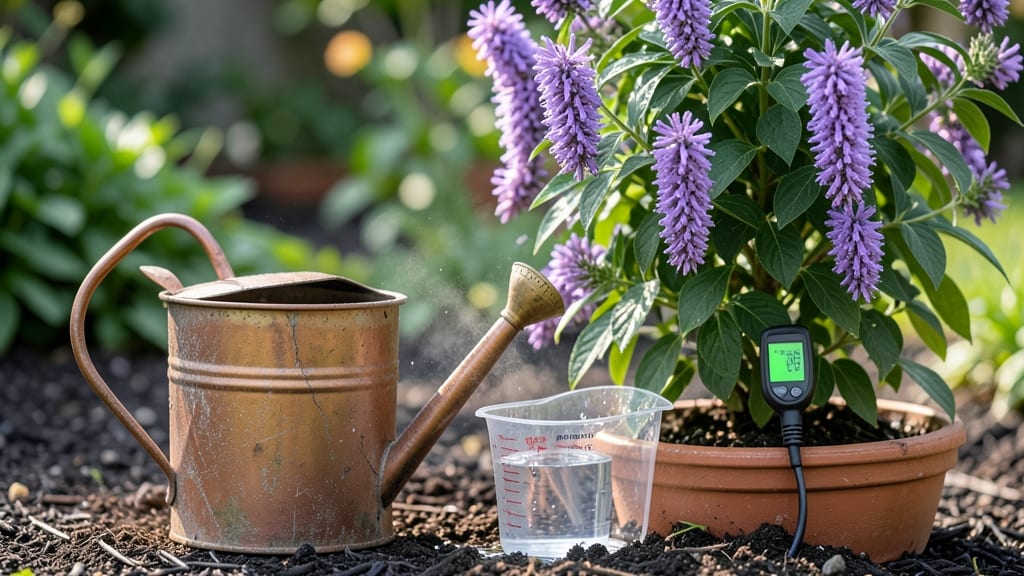
How much water does a butterfly bush need to keep thriving with consistent blooms? Water it deeply about 1-2 gallons per week—adjusting for heat, soil, and season.
Struggling to keep your butterfly bush blooming all season? The right watering routine can transform a struggling shrub into a vibrant magnet for pollinators—without drowning its roots.
Too much water rots the roots, while too little stresses the plant and cuts back those butterfly-attracting flowers. Below, I’ll walk you through a season-by-season schedule, how to test soil moisture, and the best times to water for maximum impact.
You’ll learn when to cut back in winter, how mulch saves water, and why morning watering beats evening—plus, how to spot the warning signs before it’s too late.
Butterfly bush watering schedule: weekly needs by season and soil type
Mastering the butterfly bush watering schedule is key to keeping your Buddleia thriving and attracting pollinators. Unlike drought-tolerant cacti, butterfly bushes need consistent moisture—but not soggy soil. The right balance depends on seasonal shifts and your soil type, whether it's sandy or clay-heavy.
I’ve tested these routines in my own garden, and the difference between wilting and vibrant blooms comes down to timing and technique.
Your butterfly bush’s water needs change dramatically from spring’s steady growth to summer’s scorching heat. In fall and winter, the plant enters dormancy, requiring far less water. Meanwhile, sandy soil drains quickly (needing frequent watering), while clay soil holds moisture longer (risking root rot if overwatered).
Let’s break it down by season and soil type so you can water with confidence.
Pro Tip: Always water at the base of the plant (not the leaves) in the early morning to prevent fungal diseases. Use a moisture meter or stick your finger 2 inches deep—if it’s dry, it’s time to water.
In spring, your butterfly bush is waking up from dormancy and needs steady hydration to support new growth. Sandy soil loses moisture faster, so I water mine every 5-7 days with 1 gallon per session.
For clay soil, stretch it to 7-10 days and use 1.5 gallons to penetrate deeper. Look for dry topsoil as your cue—stick your finger in to check.
When summer heat arrives, increase frequency but not necessarily volume. Sandy soil may need watering every 3-4 days with 1.5-2 gallons, while clay soil can wait 5-7 days for 2 gallons.
The key is deep watering to encourage root growth. I’ve seen butterfly bushes in containers dry out faster—monitor them closely if yours is potted.
As fall temperatures drop, reduce watering to every 10-14 days for sandy soil and every 2-3 weeks for clay. Your goal is to prevent stress before dormancy sets in.
In winter, cut back dramatically: sandy soil needs water every 4-6 weeks, while clay soil can go 6-8 weeks without water. Always check for thawed soil before watering.
One common mistake I see is overwatering in fall and winter. Butterfly bushes are drought-tolerant once established, and soggy soil leads to root rot. If your plant’s leaves turn yellow or the stems feel mushy, you’re likely overwatering.
On the flip side, wilting or crispy leaves mean it’s time to hydrate—especially in hot, dry spells.
For newly planted butterfly bushes, the first year is critical. Water deeply every 3-5 days for the first month to help roots establish. After that, follow the seasonal schedule above.
Mulching with 2-3 inches of organic mulch (like shredded bark) helps retain moisture and regulates soil temperature—something I’ve found cuts watering needs by 30% in my garden.
Remember, butterfly bushes thrive on consistency. Stick to this schedule, and you’ll reward yourself with long, vibrant blooms that attract butterflies all season. The secret? Pay attention to your soil and adjust as needed. Your pollinator friends will thank you!
Signs your butterfly bush is overwatered or underwatered (and how to fix it)
Butterfly bushes (Buddleia) thrive on balance—too much water suffocates their roots, while too little stresses the plant and cuts back those vibrant blooms butterflies adore. I’ve seen both extremes in my garden: mushy stems from overwatering and crispy leaf edges from drought.
The key is learning the subtle cues your plant sends before damage sets in.
Start by checking the soil moisture 2-3 inches deep. Stick your finger in—if it feels damp like a wrung-out sponge, you’re overdoing it. If it’s bone-dry, your bush is thirsty. Yellowing leaves with a mushy texture?
That’s a red flag for overwatering. Wilting despite wet soil means roots are drowning. Let’s fix these issues before they become permanent.
Butterfly Bush Watering: Pros & Cons
- Water deeply 1-2 gallons weekly in spring
- Use morning watering to reduce fungal risks
- Check soil moisture before watering again
- Mulch with 2-3 inches of organic matter
- Let soil stay soggy for days (roots rot)
- Water at night (encourages mold)
- Ignore yellowing leaves or wilting
- Use hard water without testing (can harm roots)
If your butterfly bush leaves are yellowing with brown spots, act fast. First, stop watering immediately and let the top 2 inches of soil dry out. Next, improve drainage by adding perlite or coarse sand to compacted soil.
For severe root rot, you may need to trim affected roots and repot in fresh, sterilized soil.
Underwatered bushes show crispy leaf edges and drooping stems that don’t bounce back when hydrated. Revive yours by giving it a deep soak—aim for 1-2 gallons of water until it drains from the bottom.
Afterward, mulch heavily to retain moisture. In extreme drought, temporary shade cloth can reduce water loss while roots recover.
For both issues, prune damaged foliage to redirect energy to healthy growth. Trim back 1/3 of the bush if it’s severely stressed, focusing on dead or diseased branches first. This encourages new, resilient shoots and improves airflow to prevent future problems.
Remember: Butterfly bushes are drought-tolerant once established, but they won’t bloom their best without consistent moisture. Adjust your routine based on your climate and soil type—container plants dry out faster than in-ground shrubs.
With the right balance, your bush will reward you with season-long blooms and happy butterflies! 🦋